
Choosing the Best Corrosion-Resistant Knife Blades for Any Environment
by Marco Castro on Feb 19, 2026

Picking the right knife blade can be a bit of a puzzle, right? You want something that can handle whatever you throw at it, especially when things get wet. Rust is a real pain, and nobody wants a dull blade when they need it most. This guide is all about helping you sort through the different kinds of corrosion-resistant knife blades out there, so you can find the perfect one for your adventures, whether you're out in the woods or near the ocean.
Key Takeaways
- Understand that steel's toughness, edge retention, hardness, and corrosion resistance are all important for a good knife blade.
- Steels like Magnacut, H-2, LC200N, and CPM 20CV are top choices for excellent corrosion resistance, especially in harsh environments like saltwater.
- Some steels, like CPM 3V and 52100, offer incredible toughness but need more care to prevent rust.
- Be wary of vague terms like 'stainless' or 'Damascus' on labels; always look for specific steel information.
- Balancing corrosion resistance with other traits like toughness and edge retention is key to choosing the best corrosion-resistant knife blades for your specific needs.
Understanding Knife Blade Corrosion Resistance
The Science Behind Rust and Blade Materials
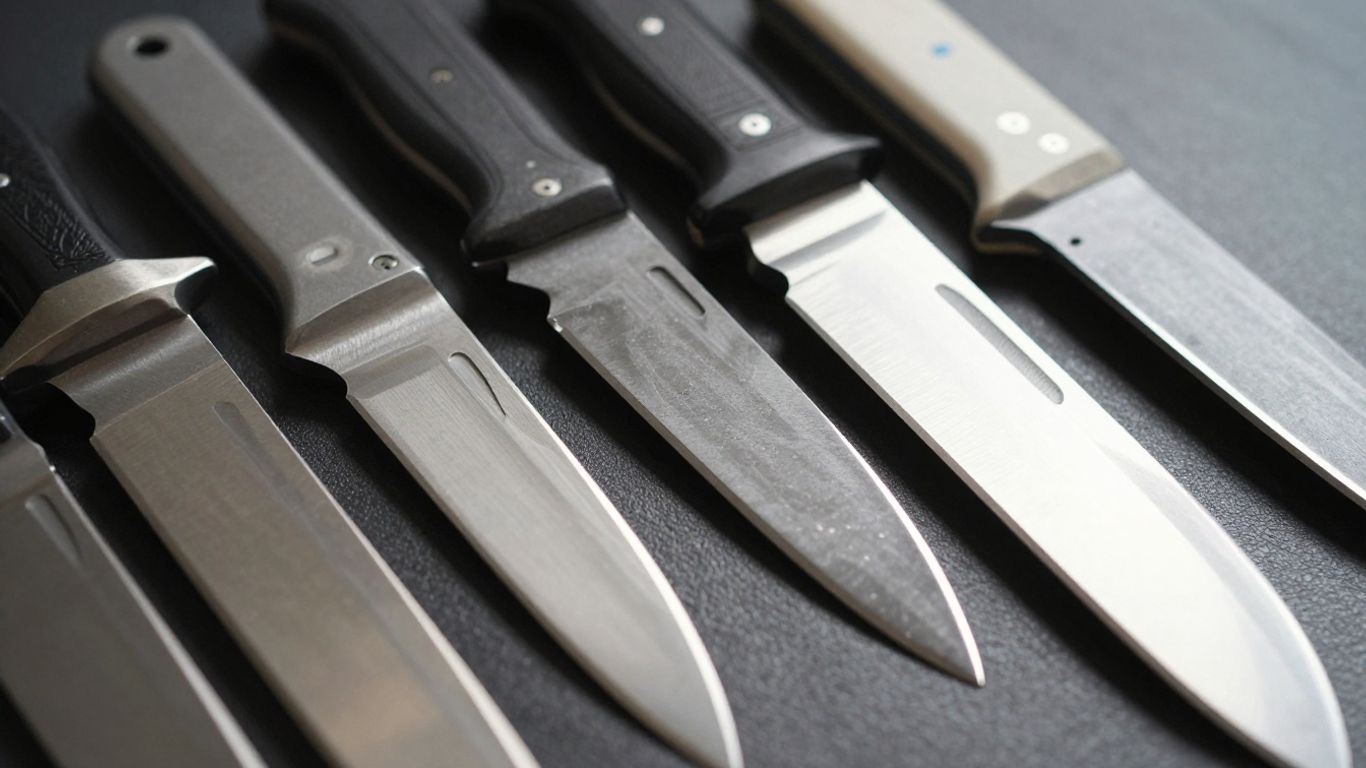
So, what exactly makes a knife blade rust? It all comes down to the materials. Most knife blades are made from steel, which is primarily iron mixed with carbon. While this combination makes for a strong and sharp edge, iron is also the main ingredient that causes rust. When iron meets oxygen and moisture, a chemical reaction happens, and you get that familiar reddish-brown stuff – rust. The tiny, microscopic bits that make up your blade's edge, called carbides, are also susceptible to this. The more iron in the mix, and depending on how it's treated, the more likely your blade is to corrode.
Why Corrosion Resistance Matters for Your Knife
If you've ever had a favorite knife turn into a rusty mess, you know why this is important. For many of us, a knife is a tool we rely on daily, whether for work, hobbies, or just everyday tasks. Imagine being out on a boat, constantly exposed to salty air and spray, or working in a really damp environment. You don't want to reach for your knife only to find it's pitted and weakened by rust. Good corrosion resistance means your knife will last longer, perform better, and stay looking good, even when it's put through its paces in less-than-ideal conditions.
Beyond Rust: Non-Metallic Signatures
While rust is the most common enemy, there's another factor to consider, especially for certain professions or situations: metallic signatures. Some specialized knives are made with materials that don't contain iron, meaning they won't rust and, importantly, they won't show up on metal detectors or create sparks. This is a big deal for folks working around sensitive equipment, like bomb disposal technicians or certain military personnel, where even a tiny spark or magnetic pull could be dangerous. We'll touch on these unique materials later, but for now, know that corrosion resistance isn't just about avoiding rust; it can also be about being invisible to certain detection methods.
Key Steel Properties for Corrosion Resistance
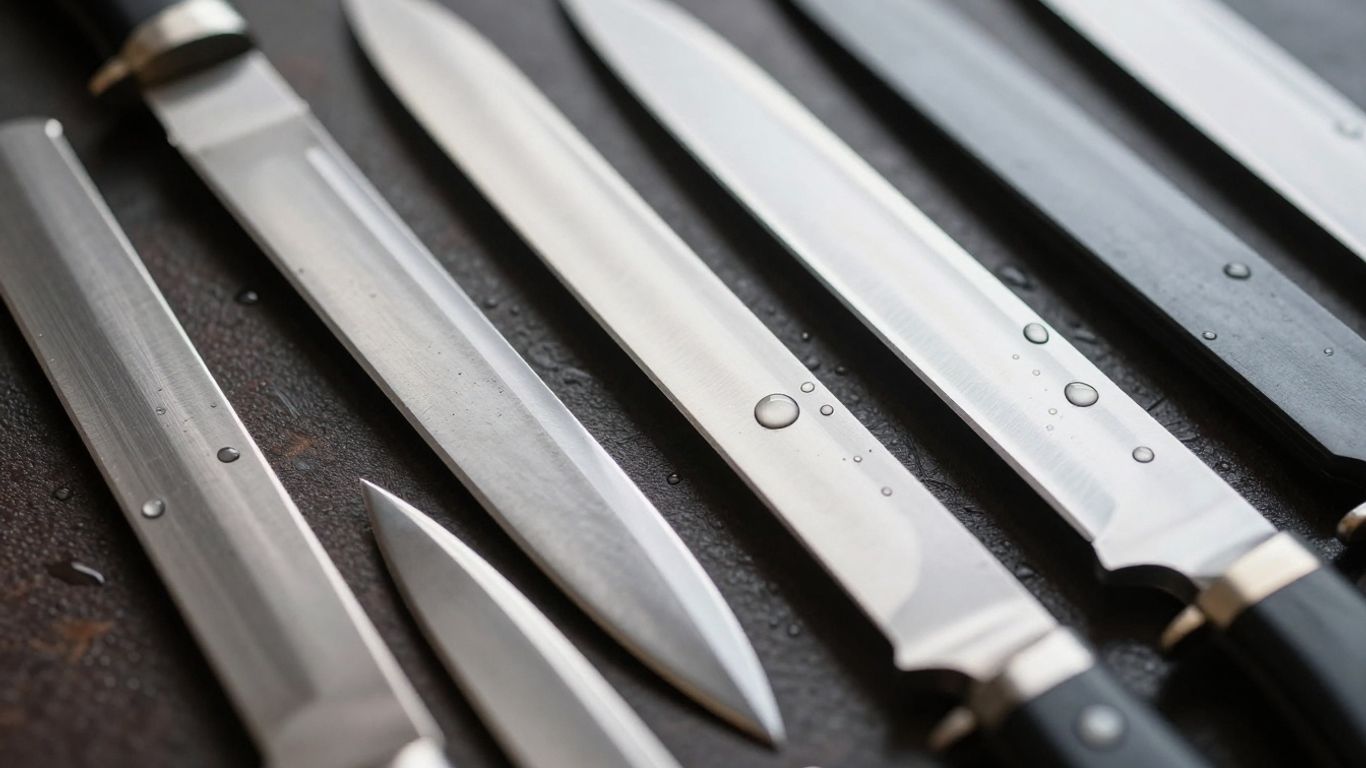
When you're picking out a knife, the steel it's made from is a big deal. It's not just about how sharp it can get, but also how it holds up over time, especially when things get wet. Think of steel as the backbone of your blade. Different steels have different strengths, and understanding these can help you choose the right knife for whatever you plan to do with it. We're going to look at a few important traits that make a steel good for knife blades.
Toughness: Preventing Chipping and Breaking
Toughness is basically how well a steel can handle a hit without breaking or chipping. Imagine dropping your knife or prying something with it – a tough steel will be more forgiving. It's the ability of the metal to absorb energy and deform rather than fracture. A really hard steel might be sharp, but if it's not tough, a hard impact could ruin the edge.
Edge Retention: How Long Your Blade Stays Sharp
This is pretty straightforward: edge retention is about how long your knife's edge stays sharp during use. A blade with great edge retention will keep cutting effectively for longer periods, meaning fewer trips to the sharpening stone. This is often related to the steel's hardness and the size and distribution of its carbides. Steels with fine, evenly distributed carbides tend to hold an edge longer.
Hardness: The Foundation of Performance
Hardness is a measure of a steel's resistance to scratching and deformation. It's usually measured on the Rockwell scale (HRC). Generally, a harder steel can achieve a sharper edge and hold it for longer. However, there's a trade-off; making a steel harder can sometimes make it more brittle, reducing its toughness. Finding the right balance is key for a good knife. For example, many high-end kitchen knives use specific steel types for optimal sharpness and durability choosing a luxury kitchen knife.
Corrosion Resistance: The Primary Defense Against Rust
This is what we're really focusing on. Corrosion resistance is how well a steel fights off rust and other forms of degradation, especially from moisture, salt, and acids. Stainless steels, with their higher chromium content, are known for this. But even "stainless" doesn't mean rust-proof; it just means it resists rust much better than plain carbon steels. For knives that will see a lot of use in wet or humid environments, this property is incredibly important to prevent damage and maintain performance.
Here's a quick look at how some steels stack up in these areas:
| Steel | Toughness | Edge Retention | Hardness (HRC) | Corrosion Resistance |
|---|---|---|---|---|
| 1095 | 5/10 | 2/10 | 56-58 | 2/10 |
| A2 | 6/10 | 4/10 | 56-58 | 3/10 |
| 5160 | 9/10 | 3/10 | 56-58 | 2/10 |
| CPM-D2 | 4/10 | 5/10 | 58-60 | 5/10 |
| 52100 | 8/10 | 4/10 | 56-60 | 2/10 |
| CPM-3V | 9/10 | 5/10 | 60-64 | 6/10 |
| CPM-CRUWEAR | 8/10 | 6/10 | 60-62 | 5/10 |
Understanding these properties helps you see why certain steels are better suited for specific tasks and environments. It's not just about picking the shiniest blade; it's about choosing one that will perform reliably when you need it most.
Top Steels for Superior Corrosion Resistance
When you need a knife that can handle tough conditions without falling apart, the steel it's made from really matters. We're talking about blades that can take a beating and still keep going, especially when things get wet. Here are some of the best steels out there that offer top-notch protection against rust and corrosion, so you can focus on the task at hand.
Magnacut: The All-Around Champion
Magnacut is a newer player in the steel game, but it's quickly become a favorite for a reason. It manages to hit a sweet spot, offering excellent toughness, great edge retention, and really good corrosion resistance. It's made using a powder metallurgy process, which means it has a really fine and even grain structure. This makes it strong and helps it hold a sharp edge for a long time. Plus, it doesn't rust easily, making it a solid choice for all sorts of outdoor activities, from camping to fishing.
- Toughness: High, meaning it's less likely to chip or break.
- Edge Retention: Very good, it stays sharp through a lot of use.
- Corrosion Resistance: Excellent, it handles moisture and salt pretty well.
- Sharpening: Relatively easy to sharpen, which is a big plus in the field.
Magnacut is a great all-around performer. It's like the Swiss Army knife of knife steels – it does a lot of things really well, and you don't have to worry about it rusting if you forget to dry it off immediately. It's a fantastic choice if you want a reliable knife for various environments.
H-2 and LC200N: Unrivaled in Saltwater Environments
If your knife is going to spend a lot of time around saltwater, like on a boat or during diving, you need something truly special. H-2 and LC200N are nitrogen-based stainless steels that are practically immune to rust. They are specifically designed for environments where corrosion is a constant threat. You can practically leave these knives soaking in saltwater, and they'll come out looking as good as new. This makes them ideal for divers, fishermen, and anyone who works near the ocean.
- Corrosion Resistance: Nearly perfect, almost impossible to rust, even with prolonged saltwater exposure.
- Toughness: Good, but not as high as some other steels.
- Edge Retention: Moderate, it holds an edge well but might need more frequent sharpening than some premium steels.
- Sharpening: Fairly easy to sharpen, which is good since it might need it more often.
For extreme conditions where rust is the primary enemy, steels like H-2 and LC200N are hard to beat. They offer peace of mind when your knife is constantly exposed to harsh elements.
CPM 20CV: Premium Protection and Edge Longevity
CPM 20CV is a high-performance stainless steel that's known for its exceptional wear resistance and outstanding corrosion protection. It's a bit pricier, but you get what you pay for. This steel is packed with elements like chromium, vanadium, and molybdenum, which give it its impressive properties. It can hold a very sharp edge for a long time, even through tough cutting tasks. It's also very resistant to rust, making it a great companion for outdoor adventures where you might encounter rain, humidity, or even salt spray. If you're looking for a blade that stays sharp and stays clean, CPM 20CV is a top-tier option.
- Corrosion Resistance: Outstanding, handles moisture and corrosive elements with ease.
- Edge Retention: Excellent, stays sharp for extended periods.
- Toughness: Moderate, it's strong but not as forgiving as some other steels if dropped or stressed excessively.
- Sharpening: Can be challenging, often requiring specialized tools like diamond stones.
While CPM 20CV might be a bit more difficult to sharpen at home, its ability to maintain a sharp edge and resist rust makes it a favorite for serious outdoorsmen and collectors who demand the best.
Balancing Corrosion Resistance with Other Traits
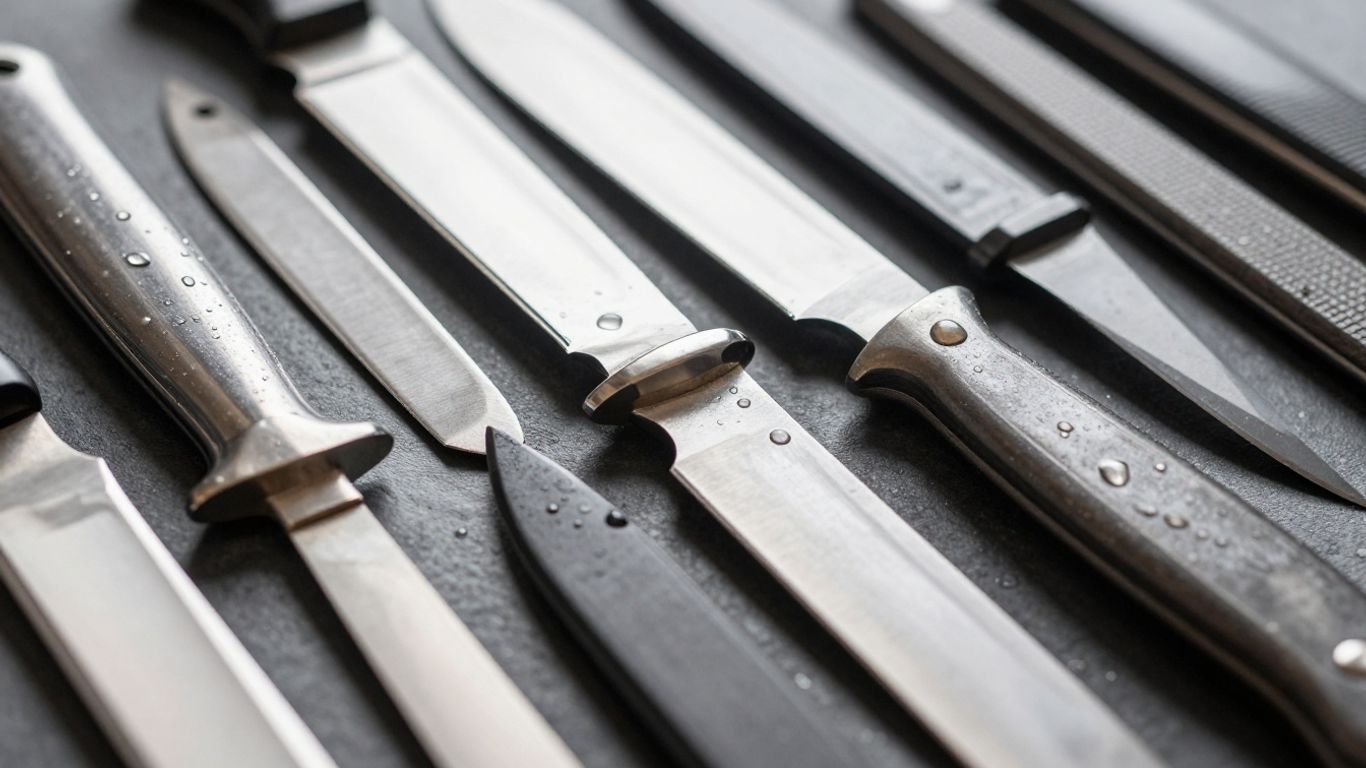
So, we've talked about how important it is for a knife blade to not rust. But here's the thing: corrosion resistance isn't the only thing that makes a good knife. You've got to think about how tough the steel is, how long it'll stay sharp, and even how easy it is to sharpen when you're out in the field. It's like picking a car – you want it to be safe, but you also want it to be comfortable and look good, right? Same idea with knife steels.
Sometimes, a steel that's amazing at resisting rust might not be the toughest, or it might be a real pain to sharpen. Or, a super tough steel might need a lot more care to keep it from rusting. Finding the right balance is key, depending on what you'll be doing with your knife.
CPM S35VN: A Refined Choice for Outdoor Reliability
CPM S35VN is a step up from some of the older steels. It's known for being tougher than its predecessor, S30V, which means it's less likely to chip or break when you're really putting it to work. It also holds an edge pretty well, so you won't be sharpening it constantly on a multi-day trip. Plus, it does a good job of resisting rust, making it a solid pick for camping, hiking, or any situation where your knife might get wet.
- Toughness: Good, it can handle some stress without breaking.
- Edge Retention: Strong, stays sharp for a decent amount of time.
- Corrosion Resistance: Very good, handles wet conditions well.
- Sharpening: Manageable, you can get it sharp again without too much trouble.
This steel is a good all-arounder. It's great for processing game, doing light camp chores, or just general everyday use when you're outdoors. It hits a nice middle ground for most people.
VG-10: A Versatile Performer
VG-10 is a popular stainless steel that's been around for a while. It's known for being a good balance of toughness, edge retention, and corrosion resistance. It's not usually the absolute best in any one category, but it performs well across the board. This makes it a really versatile choice for many different types of knives.
- Toughness: Decent, it's not super brittle.
- Edge Retention: Good, it holds an edge for a reasonable time.
- Corrosion Resistance: High, it's quite good at fighting off rust.
- Sharpening: Relatively easy, you can usually get it sharp without needing special tools.
Because it's so well-rounded, you'll find VG-10 in a lot of different knives, from kitchen knives to outdoor tools. It's a reliable steel that doesn't demand a ton of special care.
AUS-8: A Budget-Friendly Option
If you're looking for a knife that won't break the bank but still offers decent performance, AUS-8 is a common choice. It's a more basic stainless steel, so it might not hold an edge as long as some of the premium options, and it might not be as tough. However, it does offer good corrosion resistance, which is a big plus for many users.
- Toughness: Fair, it's okay for general use.
- Edge Retention: Moderate, it will need sharpening more often than higher-end steels.
- Corrosion Resistance: Good, it resists rust well for its price point.
- Sharpening: Easy, it's simple to get sharp.
AUS-8 is a solid choice for someone who needs a functional knife for everyday tasks or light outdoor use and doesn't want to spend a lot of money. It's a dependable steel that gets the job done without a fuss.
When choosing a knife steel, think about your typical environment and how you'll use the blade. A steel that's perfect for saltwater fishing might be overkill for dry hiking trails, and vice versa. The best steel is the one that fits your needs without being overly complicated to maintain.
Steels Requiring More Maintenance in Wet Conditions
Some knife steels are absolute workhorses, built for toughness and edge retention, but they come with a catch: they don't play nicely with moisture. If you're often in damp environments or near saltwater, these steels will demand more attention to keep them in top shape. Ignoring them can lead to rust and pitting, which can really shorten the life of your blade.
CPM 3V: The Toughness King with Caveats
CPM 3V is a fantastic steel, known for being incredibly tough. It can handle a lot of abuse, like chopping or batoning wood, without chipping or breaking. It also holds an edge pretty well, better than many other high-carbon steels. The downside? It's not very resistant to rust. While it's not as prone to rust as some other carbon steels, you'll definitely need to keep it dry and maybe even oil it after use, especially if it gets wet.
- Pros: Extremely tough, good edge retention, fairly easy to sharpen.
- Cons: Low corrosion resistance, requires diligent maintenance in wet conditions.
- Best for: Heavy-duty tasks where toughness is the priority, like bushcraft or survival.
52100: A Bearing Steel's Potential
This steel started life as a material for ball bearings, which tells you something about its durability. 52100 is known for its toughness and its ability to take a very sharp edge that holds up well. However, like CPM 3V, it's a high-carbon steel that doesn't offer much protection against rust. If you plan on using a knife made from 52100 in the rain, near the ocean, or just generally in humid places, you'll need to be proactive about cleaning and drying it. A light coat of oil can make a big difference.
- Toughness: High
- Edge Retention: Moderate
- Corrosion Resistance: Low
- Maintenance: High in wet environments
While 52100 can be sharpened quickly, its low corrosion resistance means you can't just leave it wet. Regular cleaning and drying are a must, and a light oiling after use is a good habit to get into.
1095: A Reliable Carbon Steel Benchmark
1095 is a classic carbon steel that many knife makers use. It's known for being easy to sharpen and quite tough. It's a good all-around steel for many tasks. However, its biggest weakness is its susceptibility to rust. It will develop a patina, which is a protective layer, but it can also get orange rust spots if left wet. For 1095, consistent cleaning and drying are non-negotiable if you want to avoid rust. It's a steel that rewards careful owners with a long service life, but it won't forgive neglect, especially in damp conditions. You can find great knives made with 1095 steel if you're prepared for the upkeep.
- Ease of Sharpening: Very easy
- Toughness: Good
- Corrosion Resistance: Low
- Maintenance: High in wet environments
Navigating Steel Designations and Misleading Labels
When you're looking at knives, you'll see a lot of different steel names and descriptions. Some of them are really helpful, telling you exactly what you're getting. Others, though, can be a bit vague or even downright misleading. It's like trying to buy a car and only seeing "fast car" on the sticker – it doesn't tell you much, does it?
Beware of Vague Terms: 'Stainless' and 'Damascus'
Terms like "stainless" or "Damascus" can be used in ways that don't tell the whole story. "Stainless" just means the steel has at least 13% chromium, which helps it resist rust. But there are many different types of stainless steels, and some are much better at resisting corrosion than others. A knife labeled simply "stainless" might not be as rust-proof as you'd hope.
Damascus is another one. True Damascus steel is made by layering different types of steel and then etching them to reveal a pattern. It looks pretty cool, but the pattern itself doesn't necessarily mean better performance. Sometimes, "Damascus" on a knife might just be a surface pattern applied with a laser, or it could be made from lower-quality steels. If a knife is inexpensive and claims to be Damascus, it's worth being a bit skeptical.
The Importance of Specific Steel Information
This is where things get really important. If a knife maker is using good quality steel, they'll usually be happy to tell you exactly what it is. They'll list the specific steel designation, like CPM-S35VN or LC200N. This tells you what elements are in the steel and how it's likely to perform. A lack of specific information about the steel is often a sign that the maker doesn't want you to look too closely at the materials they're using.
When you see a specific steel name, like Magnacut or VG-10, it's a good sign. It means the manufacturer is confident in the material they've chosen and wants you to know what you're getting. This allows you to compare it to other steels and make an informed decision based on its known properties.
Understanding CPM vs. Generic Steel Designations
You might also see designations like "CPM" before a steel name, such as CPM-D2 or CPM-3V. CPM stands for Crucible Particle Metallurgy. This is a special way of making steel that results in a more uniform and finer grain structure. Knives made with CPM steels often have better performance, like improved toughness or edge retention, compared to their non-CPM counterparts (like generic D2).
It's not just about the name, but how it's made. For example, CPM-D2 is generally considered a step up from regular D2 because of the manufacturing process. Always look for these specific details. Knowing the difference can help you get a blade that truly performs well and lasts. For more on how to care for your blade once you've chosen it, check out proper knife care.
Here's a quick look at how some common steels stack up:
| Steel Type | Corrosion Resistance | Toughness | Edge Retention | Notes |
|---|---|---|---|---|
| 1095 (Carbon) | Low | Medium | Medium | Prone to rust, easy to sharpen, develops a patina. |
| D2 (Tool Steel) | Medium | Medium | Good | Often called semi-stainless, can rust if not cared for. |
| VG-10 (Stainless) | High | Medium | Good | Popular stainless steel, good balance of properties. |
| CPM-3V (PM) | Medium-High | Very High | Medium | Extremely tough, good corrosion resistance for its toughness. |
| Magnacut (PM) | Very High | High | Very Good | Excellent all-around performer with top-tier corrosion resistance. |
So, What's the Takeaway?
Alright, so we've talked a lot about different blade steels and what makes them good for certain jobs, especially when you're out in the elements. It's not just about picking the shiniest or the hardest steel; it's about matching what the knife can do with where you're going to use it. Whether you're dealing with salty air, constant rain, or just need something that won't quit on you halfway through a task, there's a steel out there for that. Don't get too caught up in the hype of the newest 'super steel' if it doesn't fit your actual needs. Think about how you'll use the knife, how much time you want to spend taking care of it, and what kind of jobs you'll be asking it to do. Choosing the right blade material is a big deal, and hopefully, this guide has made that choice a little clearer for your next knife.
Frequently Asked Questions
What makes a knife blade rust?
Knife blades rust because they are often made of steel, which contains iron. Iron reacts with oxygen and moisture in the air, causing it to corrode and form rust. Think of it like leaving a metal toy out in the rain – it gets rusty!
What does 'corrosion resistance' mean for a knife?
Corrosion resistance means how well a knife blade can fight off rust and other damage from things like water, salt, or even sweat. A blade with high corrosion resistance won't get rusty as easily, even if you use it near the ocean or in a really damp forest.
Are all 'stainless steel' knives rust-proof?
Not exactly! While 'stainless steel' means it has stuff like chromium added to help prevent rust, it doesn't mean it's completely immune. In very harsh conditions, like constant saltwater exposure, even stainless steel can eventually show some rust if not cared for.
Why is toughness important in a knife blade?
Toughness is how well a knife blade can handle being bent, twisted, or hit without breaking or chipping. Imagine using your knife to chop wood or pry something open – you want it to be strong and not snap easily. Toughness keeps your blade from getting damaged during tough jobs.
What's the difference between 'edge retention' and 'hardness'?
'Hardness' is how well the steel can be made very strong and resist scratching. 'Edge retention' is how long that sharp edge stays sharp during use. A harder steel can often hold an edge longer, but sometimes it can also be more brittle, so it's a balance.
Are there any knife blade materials that don't rust at all?
While most common knife blades are steel, some specialized knives are made from materials like certain ceramics or even titanium, which are much more resistant to rust and corrosion. However, these often come with their own trade-offs, like being more brittle or harder to sharpen.


