
Beyond the Kitchen: Unveiling the Investment Potential of High-End Knives
by Marco Castro on Feb 21, 2026

Thinking about buying some really nice knives? It might seem like just a kitchen thing, but honestly, some of these blades are pretty impressive. We're talking about tools that are built to last, look amazing, and actually make cooking easier. It's not just about having a sharp edge; it's about the craft, the materials, and how they feel in your hand. So, let's explore why investing in high-end knives might be a smarter move than you think, turning a kitchen essential into something more.
Key Takeaways
- The quality of a knife, from its steel to its balance, directly impacts its performance and how long it will last. Paying more upfront often means a tool that serves you well for decades.
- Building a collection starts with the basics – a good chef's knife, a paring knife, and a serrated knife. Then, you can add specialized pieces as your cooking needs grow.
- Proper care is non-negotiable. Regular cleaning, oiling, and using honing steels will keep your blades sharp and prevent damage, saving you money and hassle in the long run.
- Don't overlook mid-range options or artisan makers. Researching brands and understanding what makes a knife good can help you find great value without necessarily buying the most expensive item.
- Think of quality knives as long-term assets. They can become heirlooms, and their enduring usefulness means you get more value over time compared to constantly replacing cheaper alternatives.
Understanding The Value Proposition Of High-End Knives
The Craftsmanship Behind Premium Blades
When you pick up a really good knife, you can just feel it. It's not just a piece of metal; it's something crafted with care. Think about how it's made. High-end knives often involve a lot of handwork. Skilled craftspeople shape the steel, carefully heat-treat it to make it strong but not brittle, and then grind the edge to be incredibly sharp. This attention to detail is what sets them apart from the knives you find in a big box store.
This process isn't quick or cheap. It takes time, skill, and the best materials. That's why these knives cost more. You're paying for the expertise that goes into making something that will perform well for years, maybe even a lifetime. It’s about the art and science of blade making, all rolled into one.
Why Price Reflects Quality and Longevity
It’s true, good knives aren't cheap. But that higher price tag usually means you're getting something that’s built to last. Cheaper knives might dull quickly or even chip if you look at them wrong. A well-made knife, on the other hand, uses better steel. This steel holds an edge longer, meaning you spend less time sharpening and more time actually cooking.
Think of it like buying a good pair of shoes versus a cheap pair. The expensive ones might cost more upfront, but they’ll feel better, last longer, and keep your feet happy. Knives are similar. The materials, the way they're put together, and the final finish all contribute to how well they work and how long they’ll be a reliable tool in your kitchen. You're investing in something that won't let you down.
The true cost of a knife isn't just what you pay at the register. It's also about how it performs over time, how long it stays sharp, and how it feels in your hand. A more expensive knife often means a better experience and less hassle down the road.
Investing In A Lifetime Culinary Companion
Buying a high-end knife is more than just a purchase; it's like getting a partner for your kitchen adventures. These aren't disposable tools. They are designed to be used, cared for, and passed down. Imagine a knife that gets better with age, like a fine wine or a well-loved piece of furniture.
When you invest in a quality knife, you're choosing something that will be with you through countless meals. It will handle everything from a delicate herb to a tough squash with ease. This reliability and performance make it a companion that truly enhances your cooking. It’s a tool that respects your effort and helps you create better food, making the whole process more enjoyable.
Building Your Investment-Worthy Knife Collection
Starting a collection of high-end knives might seem a bit daunting, but it doesn't have to be. Think of it like building a great wardrobe – you start with the basics and add pieces over time that fit your style and needs. The same applies to your kitchen tools. A well-chosen set of knives isn't just about having sharp blades; it's about having the right tool for every job, making your time in the kitchen more enjoyable and efficient.
Starting With Essential Kitchen Workhorses
Every serious cook knows that a few key knives can handle most of what you'll ever need to do. You don't need a drawer full of blades right away. Focus on getting a few really good ones that will serve you well for years.
- Chef's Knife (8-inch): This is your go-to. It's perfect for chopping vegetables, slicing meat, and dicing onions. It's the most versatile knife in the kitchen.
- Paring Knife: Small and nimble, this knife is great for detailed work like peeling fruits, trimming small vegetables, or deveining shrimp.
- Serrated Knife (Bread Knife): Don't let the name fool you; this isn't just for bread. It's fantastic for slicing tomatoes, citrus, or anything with a tough exterior and soft interior without crushing it.
These three knives form the foundation. Invest in quality here, and you'll notice a huge difference in your cooking.
Expanding With Specialized Culinary Tools
Once you've got your essential trio, you can start thinking about adding knives that cater to specific tasks or your favorite types of cooking. This is where your collection really starts to get interesting and personal.
- Santoku Knife: A Japanese-style knife that's excellent for chopping, slicing, and dicing. Its flatter edge is great for a rocking motion.
- Utility Knife: Falls between a chef's knife and a paring knife in size. It's handy for smaller slicing jobs that a chef's knife might be too big for.
- Boning Knife: If you often work with meat, this flexible blade is designed to get close to the bone and trim fat.
- Carving Knife: For slicing roasts, poultry, or large cuts of meat. It usually has a thinner, longer blade than a chef's knife.
Think about what you cook most often. Do you love making roasts? A carving knife is a good addition. Do you prepare a lot of fish? A filleting knife might be worth considering.
Building a knife collection is a journey, not a race. It's about acquiring tools that you'll use and appreciate for a long time. Each addition should serve a purpose and bring you joy in the kitchen.
Considering Sets and Blocks For Cohesion
While building your collection piece by piece is rewarding, sometimes a set can offer a great starting point or a way to bring everything together neatly. Knife sets often come with a block or a storage solution, which is great for keeping your blades protected and your kitchen organized.
-
What to look for in a set:
- Included Knives: Does it have the essentials you need, plus a few extras you might use?
- Material Quality: Are the blades made from good steel? Is the handle comfortable and durable?
- Storage: Does it come with a block, a magnetic strip, or a case that suits your kitchen space and keeps the knives safe?
Sets can be a good way to get a cohesive look and feel for your collection. They also often provide a discount compared to buying each knife individually. Just make sure the knives included are ones you'll actually use. Sometimes, a smaller, curated set is better than a huge one filled with knives you'll never touch.
Key Features That Define A Superior Knife
The Importance Of Blade Material And Design
When you're looking at a high-end knife, the blade is where a lot of the magic happens. It's not just about how sharp it is out of the box, but how it holds that sharpness and how it handles different tasks. Think about the steel itself. Knives often use high-carbon stainless steel, which is a good mix of being tough and resisting rust. Some really premium knives might use special alloys like VG10, known for keeping an edge really well. Then there's the design. Japanese knives, for example, often have a thinner, harder blade that's sharpened on just one side. This makes them incredibly precise for delicate work. Western-style knives, on the other hand, are usually made from slightly softer steel and sharpened on both sides, making them a bit more forgiving and easier to maintain for everyday use.
Here's a quick look at what to consider:
- Steel Type: High-carbon stainless steel is common, offering a good balance. Special alloys can offer superior edge retention.
- Hardness (HRC): Higher HRC numbers (like 58-62) mean harder steel that stays sharp longer, but can be more brittle.
- Blade Grind: This refers to the shape of the edge. A fine, precise grind is great for slicing, while a more robust grind can handle tougher tasks.
- Edge Type: Single-bevel (common in Japanese knives) for precision, or double-bevel (common in Western knives) for versatility.
The way a blade is constructed and finished makes a big difference in how it performs. A well-designed blade feels like an extension of your hand, making chopping, slicing, and dicing feel effortless rather than a chore.
Ergonomics And Balance For Optimal Performance
Beyond the blade itself, how a knife feels in your hand is super important. This is where ergonomics and balance come into play. A good handle should feel comfortable, even after you've been using it for a while. Some handles are made of wood, which can feel warm and offer a good grip, but they need a bit of care to prevent drying out. Others are made of metal or composite materials, which are often more durable and easier to clean. The shape of the handle matters too – think octagonal, D-shaped, or oval grips, all designed to fit naturally in your palm. Balance is key; a knife that feels too heavy in the blade or the handle can be tiring and less safe to use. The ideal knife should feel balanced right where the blade meets the handle, making it feel like a natural part of your arm.
Understanding Specialized Features And Their Impact
Some high-end knives come with unique features that set them apart. You might see things like a Damascus pattern on the blade, which isn't just for looks – it's a result of folding different types of steel together, creating a strong and beautiful finish. Some blades have 'Granton edges' or 'hollow grinds', which are little indentations along the side of the blade. These create air pockets that help prevent food from sticking, making slicing through things like potatoes or onions much smoother. Then there are specialized knives, like a filleting knife with a thin, flexible blade for getting around bones, or a cleaver designed for heavy chopping. While these specialized tools might cost more, they perform their specific jobs exceptionally well, making them a worthwhile addition if you do a lot of that particular type of cooking.
The Art Of Knife Care And Maintenance
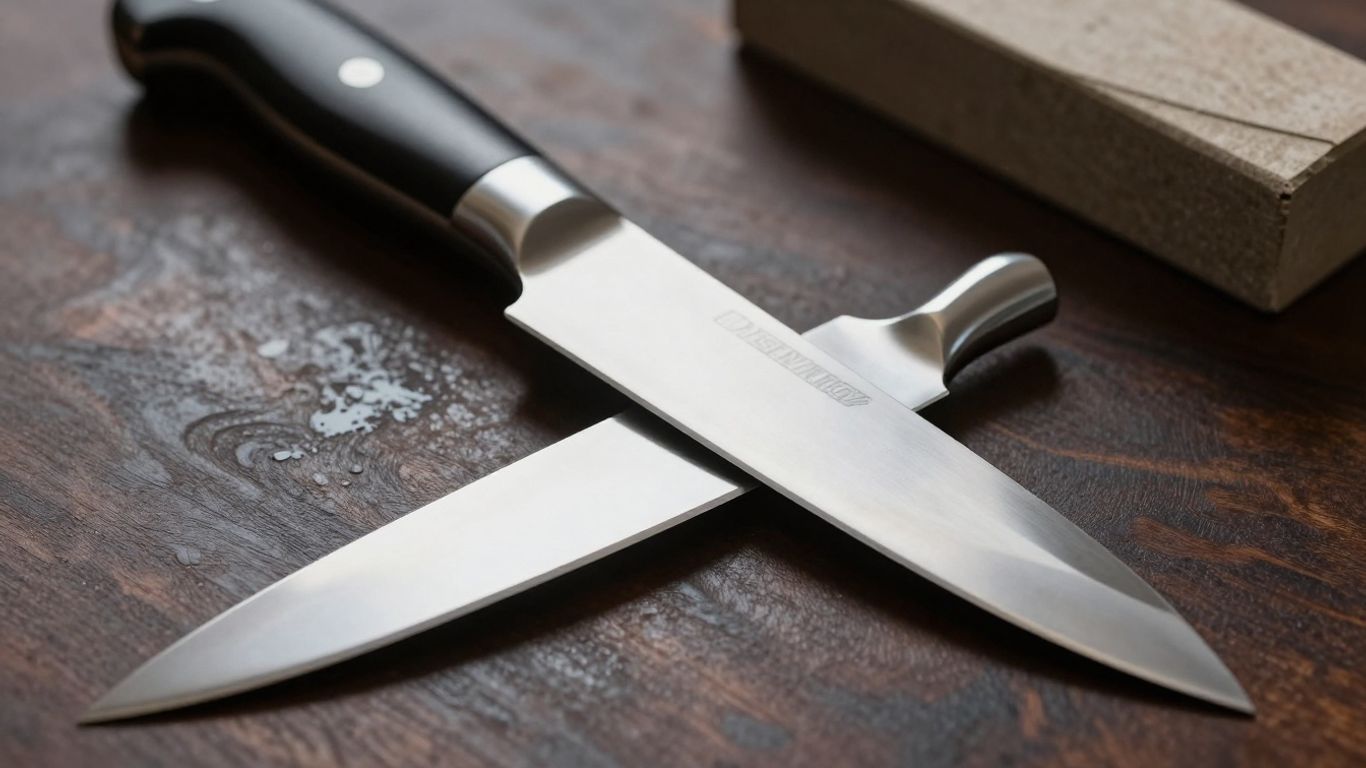
Owning a high-end knife is one thing, but keeping it in top shape is another. Think of it like owning a classic car; you wouldn't just leave it out in the rain, right? Your knife deserves similar attention. Proper care isn't just about making it look good; it's about making sure it performs its best and lasts for ages.
Essential Tools For Edge Preservation
To keep that razor-sharp edge, you'll need a few key items. These aren't fancy, but they make a big difference.
- Honing Steel/Rod: This is your daily driver for keeping the edge aligned. It doesn't actually sharpen, but it straightens out microscopic bends in the blade.
- Whetstones (Waterstones): For when honing isn't enough. These come in different grits (coarseness levels) to actually sharpen the blade. You'll want at least a medium and a fine grit.
- Strop: After sharpening, a strop (often leather) can polish the edge and remove any tiny burrs, making it incredibly keen.
Proper Cleaning And Oiling Techniques
How you clean your knife after each use is super important. It's a simple routine that prevents damage.
- Wash by hand: Always wash your knife immediately after use with warm, soapy water. Never, ever put it in the dishwasher. The heat, harsh detergents, and banging around will ruin it.
- Dry thoroughly: Use a soft towel to dry the blade completely. Pay attention to the area where the blade meets the handle, as moisture can hide there.
- Oil (especially for carbon steel): If you have a carbon steel knife, a light coat of food-grade mineral oil or camellia oil after drying adds a protective layer against rust.
Leaving a knife, especially one made of carbon steel, wet for any length of time is a fast track to rust and discoloration. A quick wipe-down after use is a small effort for a big reward in longevity.
Gentle Handling For Lasting Durability
Beyond cleaning and sharpening, how you treat your knife day-to-day matters. It's all about respecting the tool.
- Storage: Don't just toss it in a drawer. Use a knife block, a magnetic strip, or a blade guard. This protects the edge from chipping and prevents accidents.
- Cutting Surface: Use a cutting board made of wood or high-quality plastic. Avoid glass, stone, or metal surfaces, as they will dull your knife very quickly.
- Intended Use: Use the right knife for the job. Don't try to pry things open with your chef's knife or cut through bones with a delicate slicing blade. Each knife has a purpose.
Navigating Brands And Budget For Smart Investing
Exploring Renowned Brands and Their Offerings
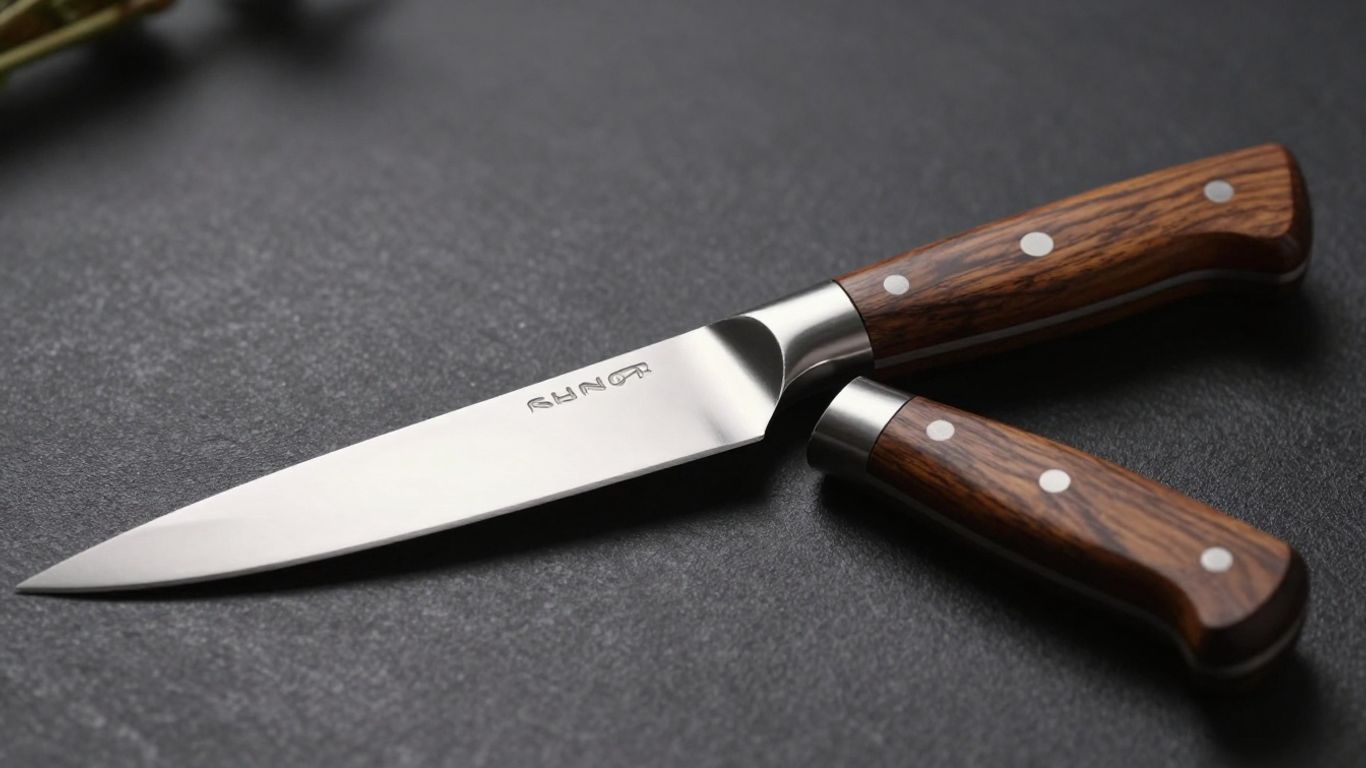
When you start looking at higher-end knives, you'll notice some names pop up again and again. Brands like Wüsthof, Global, and Shun have built solid reputations over the years. They're known for making knives that are not only sharp but also hold up well over time. Think of them as the reliable workhorses of the knife world. They offer a range of knives, from everyday chef's knives to more specialized blades, and you can usually find good information about their steel types and how they're made. This makes them a good starting point if you're not sure where to begin.
Finding Value In Mid-Range Options
Now, you don't always have to spend a fortune to get a great knife. There are plenty of brands out there that offer a really good balance between quality and price. Companies like Dalstrong, for example, often get mentioned for providing knives that look and feel premium without the top-tier price tag. They use good materials, like high-carbon German steel, and their designs are often quite attractive. These mid-range options can be fantastic for home cooks who want something better than basic but aren't ready to invest in the absolute highest end. It's about finding that sweet spot where performance meets your budget.
The Appeal Of Artisan And Bespoke Pieces
For those who really want something special, there's the world of artisan and bespoke knives. These are often made by individual craftspeople or small workshops. They might use unique materials, traditional forging techniques, or create a knife that's perfectly tailored to your hand and needs. These knives can be incredibly beautiful and perform exceptionally well, but they usually come with a higher price. They're less about mass production and more about individual artistry. Think of them as collector's items that you can also use in the kitchen every day. It's a different kind of investment, one that often involves a personal connection with the maker and the piece itself.
Maximizing Your Investment In High-End Knives
Direct Purchase Benefits And Exclusive Deals
Buying directly from a knife maker's website can often get you a better deal. You cut out the middleman, which means more of your money goes towards the actual knife, not just distribution. Many brands offer special sales or bundles online that you won't find anywhere else. It's a good way to get top-quality knives without overspending.
Viewing Knives As Heirlooms And Assets
Think of your good knives not just as tools, but as items that can last for generations. A well-made knife, cared for properly, can be passed down from parent to child. When you spread the cost of a quality knife over many years, even decades, the daily cost becomes quite small. It's an investment in something that holds both practical and sentimental value.
High-quality knives are built to last. With the right care, they can serve you and your family for a very long time, becoming treasured pieces.
The Long-Term Value Of Quality Over Quantity
It's easy to get caught up in buying lots of cheaper knives, but this often doesn't pay off in the long run. A few really good knives will perform better, last longer, and be more enjoyable to use than a drawer full of mediocre ones. Focus on getting a few key pieces that are made from good materials and have solid construction. This approach saves you money over time and leads to a more satisfying kitchen experience.
So, What's the Takeaway?
Alright, so we've talked a lot about fancy knives. It might seem a bit much at first, thinking about spending serious cash on something that just cuts food. But when you really look at it, these aren't just tools; they're crafted items. They're built to last, to perform better, and honestly, they just make cooking more enjoyable. Think of it like buying a good pair of shoes or a solid tool for any other hobby – you get what you pay for, and in this case, you're paying for quality that sticks around. So, if you're serious about cooking, or even just appreciate well-made things, investing in a high-end knife or two might just be a smart move for your kitchen and your wallet in the long run.
Frequently Asked Questions
Why are fancy knives so expensive?
High-end knives cost more because they're made with better materials and a lot of skill. Think of it like buying a really well-made piece of furniture instead of something cheap. The metal is often stronger and stays sharp longer, and the way they're put together by hand makes them last a very, very long time. It's an investment in a tool that can last your whole life.
What's the most important knife to have first?
If you're just starting out, the most useful knife is an 8-inch chef's knife. It's like a multi-tool for your kitchen – good for chopping veggies, slicing meat, and most other everyday tasks. After that, a small paring knife for tiny jobs and a serrated knife for bread are great additions.
How do I keep my good knives sharp?
To keep your knives sharp, you need a honing steel, which is a metal rod. You use it regularly to straighten the tiny edge of the blade. For actual sharpening, which grinds down the metal to make it sharp again, you'll need a whetstone or a sharpening service. It's important to wash them by hand and dry them right away to prevent rust.
Can I put my expensive knives in the dishwasher?
Definitely not! Dishwashers are rough on knives. The hot water and harsh soap can dull the blade, damage the handle, and even cause rust. Always wash your good knives by hand with warm water and a little soap, then dry them immediately.
Are knife sets a good way to start collecting?
Knife sets can be a good way to get a collection going, especially if they include the basic knives you'll use most often. They often come in a block, which looks nice and keeps them safe. Just make sure the set is made from good materials, so you're not just buying a bunch of knives that won't last.
Should I buy knives directly from the company?
Buying directly from a knife company's website can often get you the best deals and sometimes even special items you can't find elsewhere. It cuts out the middleman, which can save you money. Plus, you often get good customer service this way.


