
Effective Methods to Prevent Knife Rust and Maintain Blade Integrity
by Marco Castro on Feb 20, 2026

Keeping your knives in good shape is pretty important, right? A rusty blade isn't just ugly; it can be weaker and harder to use. Whether you've got a fancy chef's knife or a trusty pocket knife, rust is the enemy. It happens when metal meets moisture and air, and before you know it, you've got those dreaded reddish-brown spots. But don't worry, it's not the end of the world. There are plenty of simple things you can do to prevent knife rust and keep your blades sharp and ready for action. Let's get into how to stop rust before it even starts.
Key Takeaways
- Clean and dry your knife right after you use it, especially if it got wet or touched food.
- Put a little bit of oil on the blade to create a barrier against moisture.
- Store your knives in a dry spot, away from humidity, maybe in a block or with a sheath.
- Handle blades carefully and avoid touching them with bare hands to prevent transferring oils.
- Keep an eye on your knives for any early signs of rust and address them quickly.
Understanding How Knife Rust Forms
The Science Behind Rust and Corrosion
Rust isn't just an unsightly blemish; it's a chemical reaction. When iron, a key component in most steel, meets oxygen and moisture, it starts to change. This process is called oxidation, and the result is iron oxide – what we commonly call rust. It's a reddish-brown flaky coating that weakens the metal over time. Corrosion is a broader term, covering various ways metal degrades when interacting with its environment. Think of it as the metal slowly breaking down. Different environments, like salty air near the coast or just a humid kitchen, can speed this up.
Common Causes of Rust on Kitchen Knives
So, how does rust actually show up on your kitchen knives? It usually comes down to a few common culprits. Leaving your knife wet after washing is a big one. Even a little bit of water left on the blade can start the rust process, especially if it's not dried thoroughly. Food residues, particularly acidic ones like tomatoes or citrus, can also contribute if not cleaned off promptly. And sometimes, it's just about where you store your knife – a damp drawer or a humid environment is a recipe for rust.
Why Stainless Steel Isn’t Rust-Proof
Many people think "stainless steel" means "never rusts." While it's much more resistant than regular carbon steel, it's not completely immune. Stainless steel gets its resistance from chromium, which forms a thin, invisible protective layer on the surface. However, this layer can be damaged. If your stainless steel knife is exposed to harsh conditions, like saltwater or prolonged moisture, especially if there are scratches or nicks, that protective layer can break down, allowing rust to form. It might take longer, but it can still happen.
Cleaning Your Knife Correctly to Prevent Rust
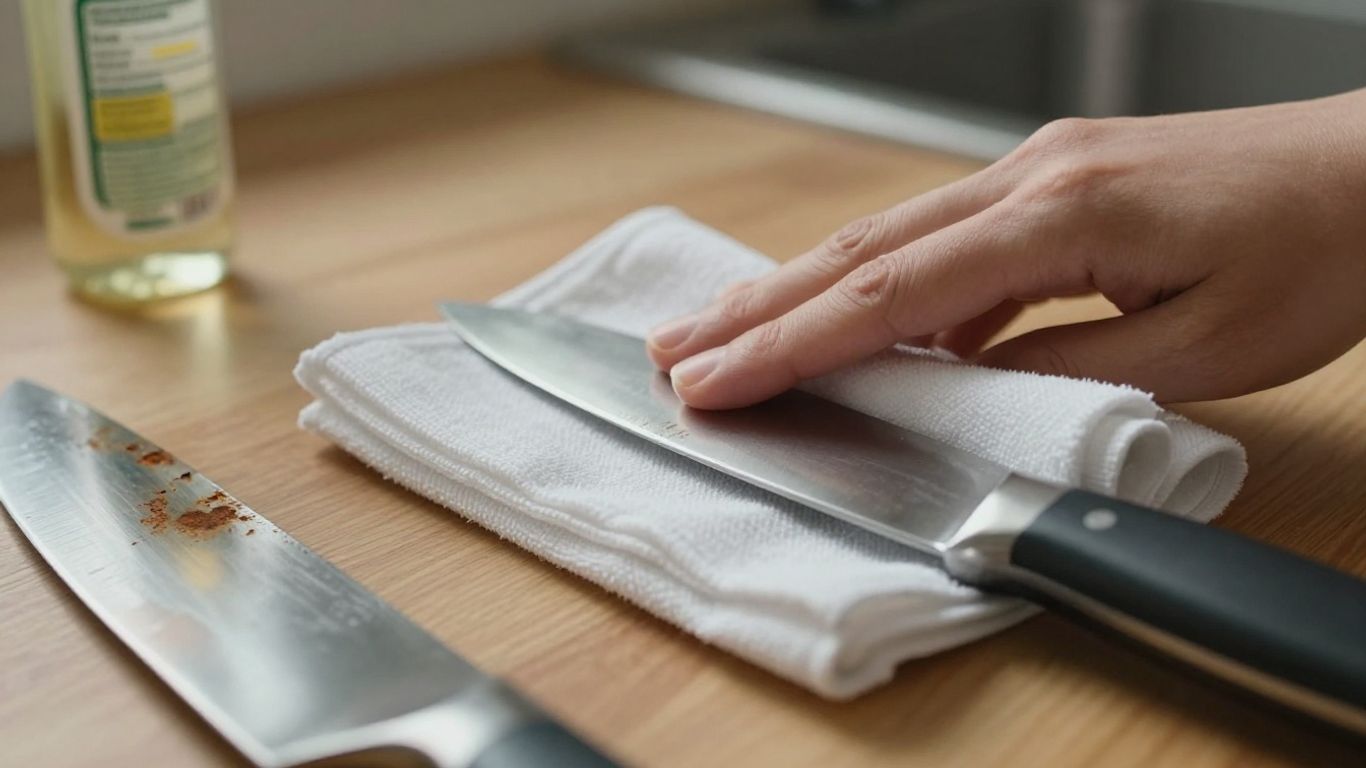
Think of cleaning your knife like giving it a quick spa treatment after it's done its job. It's not just about making it look pretty; it's a key step in keeping that blade sharp and rust-free. Food bits and moisture are the main culprits that can start the whole rust process, so getting them off right away is super important.
Why Immediate Cleaning Matters
Leaving food residue on your knife, especially acidic stuff like tomatoes or citrus, can actually start to eat away at the metal. And moisture? Well, that's the direct ingredient for rust. So, a quick clean right after you're done chopping, slicing, or dicing makes a huge difference. It stops problems before they even start.
Best Methods for Washing and Drying
When it's time to wash up, keep it simple and gentle. Hand washing is the way to go. Use warm water and a mild dish soap. A soft sponge or cloth works best – avoid anything too scratchy that could damage the blade.
- Wash: Gently scrub the blade and handle with soapy water.
- Rinse: Make sure all soap is gone.
- Dry: This is the most critical part. Use a clean, soft towel, like a microfiber one, to dry the knife completely. Don't just let it air dry; get into all the nooks and crannies, especially around the handle and where the blade meets it. Pay extra attention to carbon steel blades, as they're more prone to rust.
What to Avoid When Cleaning Your Blade
Some things can do more harm than good when you're cleaning your knife. It's best to steer clear of these:
- Dishwashers: The high heat, harsh detergents, and banging around in a dishwasher can dull your blade, damage the handle, and even cause rust. Just don't do it.
- Abrasive Cleaners or Scrubbers: Steel wool, scouring pads, or gritty cleaners can scratch the blade's surface. These scratches can become spots where rust likes to form.
- Soaking: Leaving your knife to soak in the sink is a recipe for rust. Always wash and dry it promptly.
A clean, dry knife is a happy knife. It's a small effort that pays off big time in keeping your blade in great shape for years to come.
Using Protective Coatings to Guard Your Knife
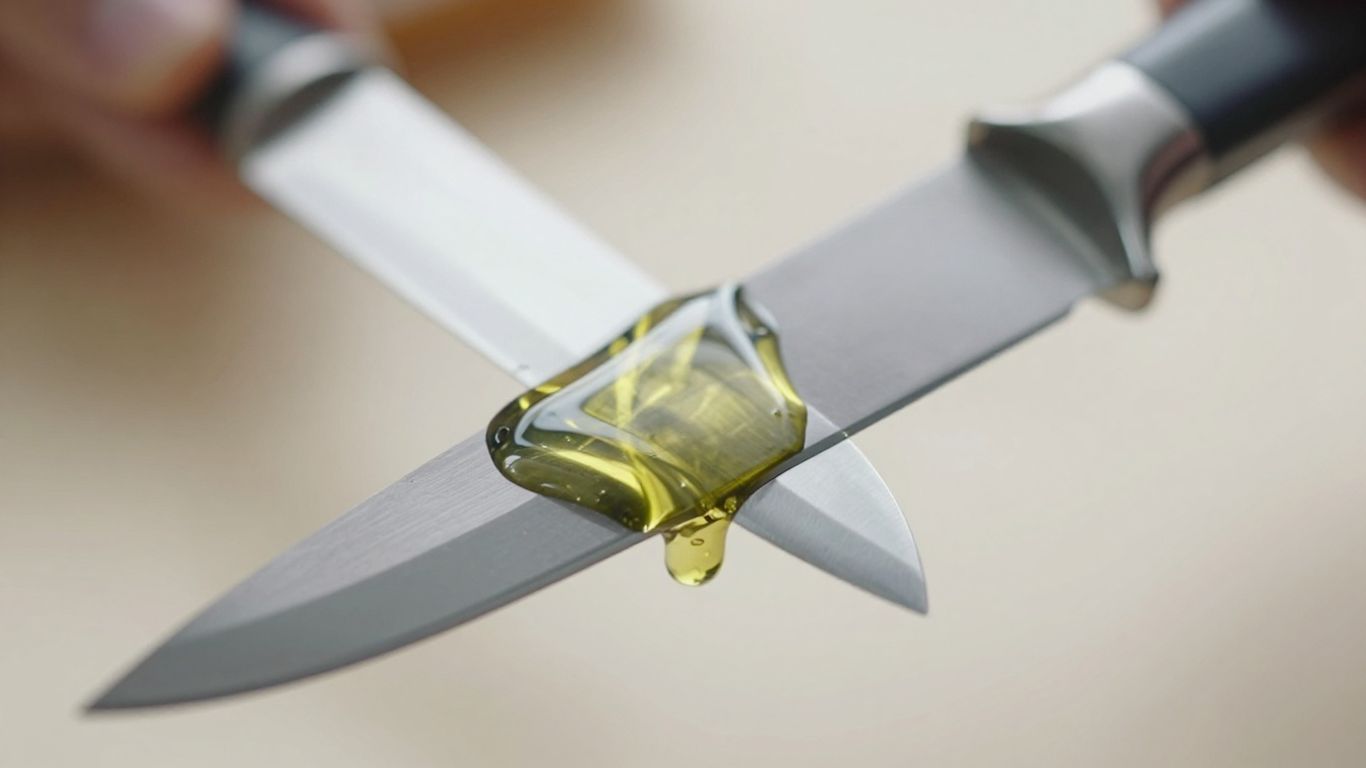
After you've cleaned your knife and made sure it's bone dry, the next step in keeping it in good shape is to add a protective layer. Think of it like putting a shield on your blade. This isn't just for fancy knives; even your everyday kitchen workhorse can benefit from a little extra care.
Benefits of Oiling Your Knife Blade
Why bother with oil? Well, it does a couple of really important things. First off, it creates a barrier. This barrier helps keep moisture away from the metal. We all know moisture is the main culprit behind rust, right? So, by oiling your blade, you're actively fighting off those little orange spots before they even have a chance to show up. It's especially important for knives made from high-carbon steel, which can be a bit more prone to rust than stainless steel. But even stainless steel can get a bit of surface rust if left damp for too long.
Beyond just rust prevention, a thin layer of oil can also help keep the metal looking good. It can give the blade a nice sheen and, over time, help prevent minor scratches from becoming more noticeable. It’s a simple step that really adds to the longevity and appearance of your knife.
Selecting the Right Oil for Protection
Not all oils are created equal when it comes to knife care. You don't want to just grab any old cooking oil from your pantry. Some oils can go rancid, which means they can get sticky and even develop an unpleasant smell. Plus, they might not offer the best protection.
For kitchen knives, especially those used for food, it's best to stick with food-grade mineral oil. You can find this at most pharmacies or online. It's odorless, tasteless, and won't go bad. Another popular choice, particularly for Japanese knives, is Camellia oil (also known as Tsubaki oil). It's a traditional choice that works wonders for protecting blades from rust and corrosion without affecting food.
If your knife isn't used for food prep, like a hunting knife or a utility knife, you have a few more options. You could use specialized knife oils or even a light gun oil, but always make sure it's safe for metal protection. The key is to use something that stays liquid and doesn't become gummy.
How to Apply a Thin, Even Layer
Applying the oil is pretty straightforward, but doing it right makes a difference. You don't need a lot of oil – less is more here.
- Start with a clean, dry blade: Make sure your knife is completely clean and dry before you begin. Any dirt or moisture trapped under the oil will just sit there and potentially cause problems.
- Apply a small amount of oil: Put just a drop or two of your chosen oil onto a clean, lint-free cloth or paper towel.
- Wipe the blade: Gently wipe the oil across the entire surface of the blade, from the edge to the spine, and all the way to the handle. Make sure you get both sides.
- Buff off excess: Use a clean part of the cloth to gently buff the blade. You want a very thin, almost invisible layer of oil. It should feel smooth, not greasy or sticky.
Doing this after every use, or at least after every wash and dry, is the best way to keep your blade protected. It only takes a minute, but it can save you a lot of trouble down the line with rust and corrosion.
This simple oiling routine is a small habit that pays off big time in keeping your knives looking sharp and rust-free for years to come.
Optimal Storage Practices for Rust Prevention
Proper storage is just as important as cleaning when it comes to keeping your knives rust-free and in good shape. Think of it as giving your blades a safe place to rest after all their hard work. Storing them correctly means they’ll be ready and reliable for your next task.
Storing in a Dry, Well-Ventilated Area
Moisture is the enemy of a sharp blade. That's why the first rule of good storage is to keep your knives in a dry spot. Avoid storing them near the sink, dishwasher, or any place where humidity tends to hang around. A kitchen drawer that's not too damp, or a dedicated spot on your counter away from steam, is usually best. Good airflow helps too, preventing any lingering dampness from settling in.
Keeping your knives dry and in a place with some air circulation is a simple step that makes a big difference in preventing rust. It’s like letting your tools breathe.
Blade Covers, Sheaths, and Storage Blocks
There are several ways to physically protect your blades when they're not in use. A knife block is a classic for a reason – it keeps each blade separate and protected. Magnetic strips are another popular option, keeping knives accessible and visible, but make sure they aren't bumping into each other. If you're storing knives in a drawer, consider individual blade covers or sheaths. These are especially helpful if you don't have a dedicated block or strip. Just be mindful that some materials, like leather sheaths, can hold moisture, so ensure the blade is completely dry before sheathing it for longer periods. For more on keeping your blades sharp, check out maintaining your knife's edge.
Silica Gel Packs and Moisture Control
For those who live in particularly humid climates or are storing knives for extended periods, a little extra help might be needed. Silica gel packs, those little packets you find in new shoes or electronics, are fantastic at absorbing moisture. You can toss a few into your knife block, drawer, or even a storage case. Just remember to replace or
Safe Handling Habits That Prevent Knife Rust
You know, it’s easy to think that once a knife is clean and dry, you’re in the clear. But how you actually handle that blade day-to-day makes a big difference in keeping rust away. It’s not just about washing; it’s about how you interact with the metal.
Why You Should Avoid Touching the Blade
This might sound a little odd, but try to keep your bare fingers off the actual cutting edge and the flat parts of the blade. Our skin has natural oils and moisture. While that’s great for our skin, it’s not so great for metal, especially if it’s a carbon steel knife. These oils can sit on the blade and create a little spot where rust likes to start. It’s like giving rust a tiny welcome mat.
So, when you’re using your knife, try to hold it by the handle. If you absolutely have to touch the blade for some reason – maybe to wipe something off – make sure you give that spot a good wipe down right afterward. A quick swipe with a clean, dry cloth will do the trick.
Wearing Gloves for Sensitive Metals
For some knives, especially those made from high-carbon steel or if you’re working in a really humid environment, you might want to go the extra mile. Wearing gloves can be a smart move. It adds another layer of protection, making sure those skin oils and moisture don’t even get a chance to touch the blade.
Think of it like this: you wouldn’t wear your nice leather gloves to do dishes, right? Similarly, for certain knives, especially those you want to keep in pristine condition, gloves are a good idea. It’s a simple step that can prevent a lot of potential rust issues down the line. Plus, it can give you a better grip sometimes.
Wiping Down After Each Use
This is probably the most important habit you can build. Right after you finish using your knife, give it a quick wipe. Don’t let it sit around with food bits or moisture on it.
Here’s a simple routine:
- Rinse: If there’s food on the blade, give it a quick rinse under the tap. Use warm water if you can.
- Dry: Immediately after rinsing, grab a soft, clean cloth or a paper towel and dry the blade thoroughly. Get into all the nooks and crannies.
- Oil (if needed): If you’re not going to use the knife again for a while, or if it’s a carbon steel blade, a very light coat of oil can be beneficial. Just a drop or two on a cloth is enough.
This habit is your first line of defense. It’s quick, easy, and stops rust before it even thinks about setting in. It’s way better than trying to fix rust later.
Building these habits might seem like a lot at first, but they quickly become second nature. And the payoff? Knives that stay sharp, look good, and last a whole lot longer.
Regular Maintenance and Inspection Strategies
The Importance of Sharpening and Honing
Keeping your knife sharp isn't just about making cutting easier; it's a key part of preventing rust and maintaining the blade's overall health. A dull knife often means you're applying more force, which can lead to slips and accidental damage. Regular honing realigns the microscopic teeth on the blade's edge, keeping it keen between sharpenings. Think of it like brushing your teeth – a daily habit that prevents bigger problems later.
When it comes to sharpening, the goal is to remove a small amount of metal to create a fresh, sharp edge. This is different from honing, which just straightens the existing edge. You'll know it's time to sharpen when honing doesn't bring the edge back to its former glory, or when the knife feels noticeably less effective at slicing.
Here’s a quick rundown:
- Honing: Use a honing rod or steel after each use or every few uses. It's a quick touch-up.
- Sharpening: Use a whetstone or a quality sharpener when the blade feels dull. This is a more involved process.
- Angle: Aim for a consistent angle, usually between 15-20 degrees, for both honing and sharpening. This ensures an even edge.
Proper sharpening and honing help your knife perform better and last longer. For more on keeping your tools in top shape, check out quality knives.
Checking for Early Signs of Rust
Don't wait until your blade is covered in orange spots to take action. Regularly inspecting your knife for the very first signs of rust is a smart move. Sometimes, it might just be a tiny discoloration or a slight change in the blade's sheen. Catching these early makes removal much easier and prevents them from spreading.
Pay attention to areas where moisture might linger, like near the bolster or any crevices. If you notice anything suspicious, it's time to address it immediately. A quick wipe-down with a soft cloth might be all that's needed if it's just superficial.
A proactive approach to rust means less work and better preservation for your blade.
Keeping a Consistent Maintenance Routine
Consistency is really the name of the game when it comes to knife care. Just like any tool, your knife needs regular attention to stay in good working order and free from rust. Setting up a simple routine, even if it's just a few minutes each week, makes a huge difference.
Your routine might look something like this:
- After Use: Always wash and thoroughly dry your knife immediately after you finish using it. This is the single most important step.
- Weekly Check: Give the blade a quick inspection for any signs of rust or damage. If needed, give it a light oiling.
- Monthly Deep Dive: Once a month, consider a more thorough cleaning and perhaps a sharpening or honing session if the blade feels dull.
Adapting this routine to how often and in what conditions you use your knife is key. If you're using it daily in a humid kitchen, more frequent checks are a good idea. If it's an occasional-use knife, make sure to inspect and oil it before putting it away for longer periods.
Effective Methods to Remove Stubborn Rust
Even with the best care, rust can sometimes creep onto your favorite blades. Don't worry, though! It's usually not the end of the world. With a few simple techniques, you can often bring your knife back to its former glory. It's all about being gentle but persistent.
Using Baking Soda or Vinegar Solutions
Sometimes, the simplest solutions are the most effective. For light to moderate rust, common household items can work wonders. Baking soda, when mixed with a little water, forms a paste that's surprisingly good at lifting rust. Just spread it on the affected area, let it sit for a bit, and then gently scrub it away. Vinegar is another good option. Its acidity can break down rust, so a short soak (think 5-10 minutes) followed by a gentle scrub can do the trick. Just be sure to rinse and dry thoroughly afterward, as leaving these solutions on too long can also cause issues.
- Baking Soda Paste: Mix baking soda with water to create a thick paste. Apply to rust spots, let it sit for about an hour, then rinse and wipe clean.
- Vinegar Soak: Submerge the rusted part of the blade in white vinegar for 5-10 minutes. Gently scrub with a soft cloth or non-abrasive pad.
- Lemon Juice: Similar to vinegar, the citric acid in lemon juice can help dissolve rust. Apply juice, let it sit, then scrub and rinse.
Always remember to thoroughly dry your knife after using any acidic or alkaline solution to prevent new rust from forming immediately.
Applying Rust Erasers and Fine Abrasives
If the natural methods don't quite cut it, you might need something a little more robust. Rust erasers, often made of a material similar to a soft pumice stone, are designed for this. They work by gently abrading the rust away without being too harsh on the blade itself. You can also use very fine abrasives, like a super-fine steel wool (think 0000 grade) or specialized rust-removal pads. The key here is to be gentle. You want to remove the rust, not scratch up your blade. Always work in one direction, following the grain of the metal if possible, and apply minimal pressure. After you've removed the rust, give the blade a good clean and apply a thin layer of oil to protect it.
When to Choose Commercial Rust Removers
For really tough, deeply set rust, commercial rust removers might be your best bet. These products are formulated with stronger chemicals designed to break down rust effectively. However, they require careful handling. Always read and follow the manufacturer's instructions to the letter. Wear gloves and work in a well-ventilated area. After using a commercial remover, it's absolutely vital to clean the blade thoroughly to remove any chemical residue. Then, dry it completely and apply a good coat of protective oil. These removers are powerful, so use them as a last resort and with caution.
Wrapping It Up: Keeping Your Blades Sharp and Rust-Free
So, there you have it. Keeping your knives in good shape isn't some big secret, and it doesn't require a ton of fancy gear. It really just comes down to a few simple habits: clean and dry after every use, a little bit of oil now and then, and storing them somewhere sensible. If you do notice a bit of rust creeping in, don't panic; there are easy ways to deal with it. By putting in just a little bit of effort, you'll make sure your blades stay sharp, strong, and ready for whatever you throw at them, for a really long time. Happy cutting!
Frequently Asked Questions
Why do my knives get rusty even if they are made of stainless steel?
Even stainless steel can get rusty sometimes! It's because 'stainless' doesn't mean 'never rusts.' It just means it's much harder for rust to form compared to other steels. Things like salt, acidic foods, or leaving the knife wet for too long can still cause rust on stainless steel.
How often should I oil my knife?
It's a good idea to oil your knife, especially if it's made of carbon steel, which rusts more easily. After you wash and dry it, a quick wipe with a special knife oil or even food-grade mineral oil can create a protective shield. For stainless steel, it's not always necessary after every use, but it's smart to do it if you live in a humid place or won't be using the knife for a while.
What's the best way to dry my knife after washing?
Drying your knife right away is super important! Use a soft, clean towel, like a microfiber cloth. Make sure to dry every part of the knife, especially around the handle where water can hide. Don't just let it air dry, as that's when rust likes to start.
Can I put my knives in the dishwasher?
It's best to never put your good knives in the dishwasher. The hot water, harsh soap, and banging around with other dishes can dull the blade, damage the handle, and even cause rust. Hand washing with mild soap and water is always the safest way to go.
What if I find a little bit of rust on my knife?
Don't worry too much! For small rust spots, you can often gently scrub them off with a paste made of baking soda and water, or use a special rust eraser. After you get the rust off, make sure to clean and dry the knife well, and then apply a bit of oil to protect it.
How should I store my knives to keep them safe and rust-free?
Store your knives in a dry place. A knife block, a magnetic strip on the wall, or individual blade covers are great options. Avoid just tossing them in a drawer where they can bump into each other. Keeping them dry and separated helps prevent rust and keeps the blades sharp.


