
Unveiling the Lifespan of High-Quality Knives: How Long Can They Truly Last?
by Marco Castro on Feb 12, 2026

So, you've got a really nice knife, huh? Maybe it was a gift, or maybe you splurged a bit. Whatever the case, you're probably wondering how long this thing is actually going to last. It's not like a cheap one you can just toss when it gets dull. We're talking about a high-quality knife here, the kind that feels good in your hand and actually cuts things. The lifespan of a high-quality knife isn't just about the price tag, though. It's a mix of how you treat it, how you care for it, and what it's actually made of. Let's break down what makes these knives stick around for so long, or sometimes, why they don't.
Key Takeaways
- A knife's lifespan depends heavily on its materials, like the type of steel and how it's treated, along with how you use and care for it daily.
- Proper handling, like avoiding prying or chopping with the blade, and always washing and drying by hand, are super important for keeping your knife in good shape.
- Regular sharpening and honing are key to maintaining a sharp edge, but even the best knives eventually reach a point where sharpening just doesn't help anymore.
- Visible damage, like cracks or chips in the blade, or a handle that's falling apart, are clear signs that it's time for a new knife.
- Investing in quality materials and understanding how different steels and finishes hold up over time will help you choose a knife that's built to last.
Understanding Your Knife's Lifespan
What Determines How Long A Knife Lasts?
So, you've got a good knife, maybe even a really nice one. You're probably wondering, "How long is this thing actually going to last me?" It's a fair question. A knife's lifespan isn't just about how long it sits in a drawer; it's about how it's treated and what it's made of. Think of it like a good pair of shoes – with the right care, they can last for years, but if you're constantly kicking rocks or wearing them in the rain, they'll fall apart way sooner.
Several things play a role here. The type of steel is a big one, of course. Some steels are tougher and hold an edge better than others. Then there's how the knife was made – was it put together with care, or just churned out? And honestly, how you use it day-to-day makes a huge difference. Are you using it for what it's meant for, or are you trying to open paint cans with it?
A knife's true longevity comes down to a mix of its inherent quality and the owner's commitment to proper care. It's a partnership between the maker's craft and your maintenance.
The Lifespan of High-Quality Knives: An Overview
When we talk about "high-quality" knives, we're usually looking at blades that can last a very, very long time – think decades, even a lifetime, with good care. These aren't the cheap ones you replace every year. They're built with better materials and often with more attention to detail.
For a really well-made kitchen knife, you can expect it to perform well for many years. A good chef's knife, for example, might see you through 10, 20, or even more years of regular use if you're looking after it. Outdoor or survival knives, designed for tougher jobs, can last even longer, sometimes becoming heirlooms passed down through families.
However, this isn't a guarantee. A knife's lifespan can be cut short by neglect, misuse, or accidents. It's about maintaining that initial quality through consistent, appropriate care.
Factors Influencing Knife Longevity
Let's break down what really makes a knife last:
- Steel Type and Hardness: Different steels have different properties. Some are harder and hold an edge longer but can be more brittle. Others are tougher and more flexible but might need sharpening more often. The specific alloy and how it's heat-treated are key.
- Blade Geometry and Design: The shape of the blade and the angle of the edge matter. A well-designed edge is easier to maintain and performs better. Designs that are too thin or delicate might not hold up to heavy use.
- Construction Quality: How the knife is put together is important. A full tang (where the metal of the blade extends all the way through the handle) is generally more durable than a partial tang. The handle material and how it's attached also play a role.
- Usage Habits: This is huge. Are you using your knife for chopping vegetables on a wooden board, or are you prying open jars and cutting cardboard boxes? Misusing a knife is one of the fastest ways to shorten its life.
- Maintenance Routine: Regular cleaning, drying, sharpening, and honing are non-negotiable. Skipping these steps leads to rust, dullness, and damage that can become permanent.
- Environmental Factors: Exposure to moisture, harsh chemicals, extreme temperatures, or corrosive substances can all degrade a knife over time, especially if it's not made of stainless steel.
Essential Care for Extended Knife Life
Proper Handling and Usage
Think of your knife as a precision tool, not a crowbar or a screwdriver. While it might feel sturdy, using it for tasks it wasn't designed for, like prying open cans or digging into tough materials, can cause serious damage. The tip, in particular, is often the most vulnerable part. Avoid dropping your knife or using excessive force, especially on the tip, to keep the entire blade in good shape. And please, no throwing stunts unless your knife is specifically made for it – the impact can ruin the blade.
The Importance of Hand-Washing
This is a big one. Never, ever toss your good knife into the dishwasher. The harsh detergents, high heat, and jostling can dull the edge, damage the handle, and even cause corrosion. Instead, give it a quick bath in warm, soapy water. Don't let it soak for too long, and always dry it thoroughly right away. This simple step makes a huge difference in preventing water spots and rust.
Rust Prevention for Specific Steels
Knives made from carbon steel or Damascus steel are more prone to rust than stainless steel. To keep them looking their best:
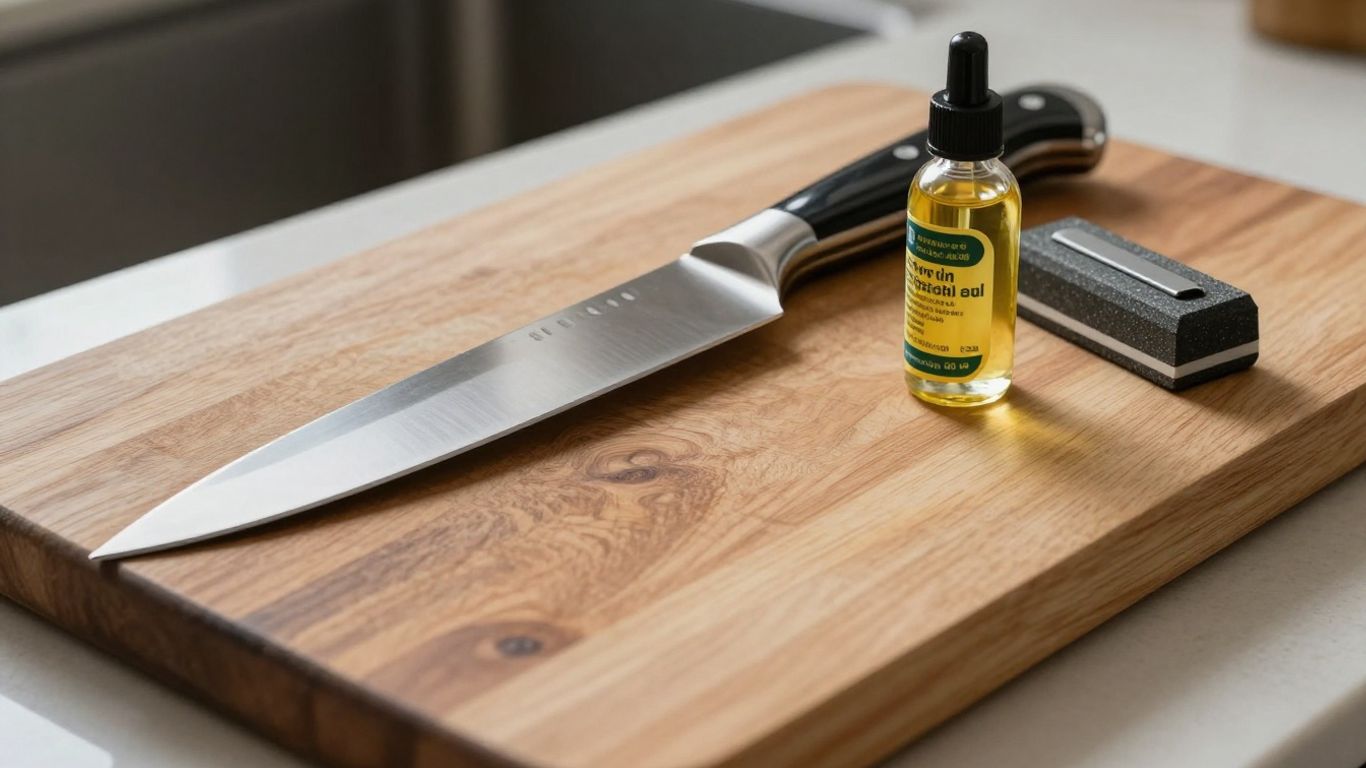
- Avoid the Sheath for Storage: Don't store your knife inside its leather sheath for long periods. The tanning process in leather can react with moisture and encourage rust. It's better to apply a thin coat of food-grade mineral oil or camellia oil to the blade and wrap it in a soft cloth for storage.
- Keep it Dry: Always store your knife in a dry place. Humid environments are a rust magnet.
- Oiling is Key: For regular use, a light coat of oil on the blade helps protect it. For longer storage, consider a more robust protectant like Renaissance wax.
Developing a patina on your carbon steel or Damascus knife is normal, especially after cutting acidic foods. This grayish-blue coloring actually adds character and can offer some protection. It's different from rust, which is a reddish-orange sign of corrosion that needs immediate attention.
Maintenance: The Key to Longevity
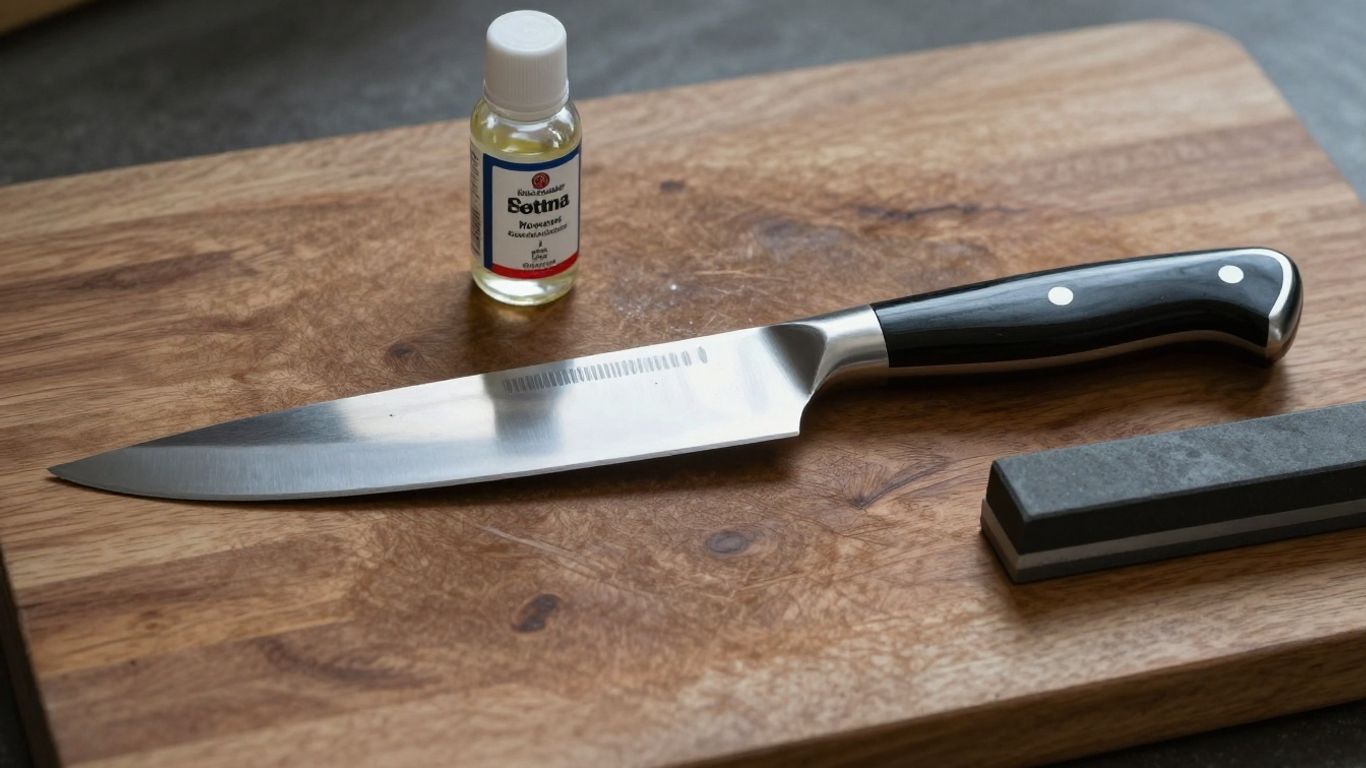
Think of maintenance as giving your knife a little spa treatment. It’s not about complicated procedures, but rather consistent, simple actions that keep your blade sharp and your handle comfortable. Regular upkeep is what separates a knife that lasts a few years from one that can become a family heirloom.
Regular Sharpening and Honing Schedules
Keeping your knife's edge in good shape is probably the most important part of maintenance. Honing straightens out the microscopic teeth on the blade's edge, making it feel sharper. Sharpening actually removes a tiny bit of metal to create a new, sharp edge. You don't need to do both every time you use the knife.
Here’s a simple guide:
- Daily/After Each Use: If you use your knife a lot, a quick hone on a ceramic rod or steel can make a big difference. Just a few passes are usually enough.
- Weekly: A more thorough honing session can help maintain the edge between sharpenings.
- Every 1-3 Months (or as needed): This is when you'll likely need to sharpen your knife. How often depends on how much you use it and the type of steel. A knife that's used daily for tough tasks will need sharpening more often than one used occasionally for light prep.
Don't wait until your knife is completely dull to sharpen it. It's much easier to maintain a sharp edge than to bring a very dull blade back to life. Plus, a sharp knife is a safer knife because it requires less force to cut.
Inspecting for Wear and Damage
Take a moment now and then to really look at your knife. Check the blade for any small nicks, bends, or signs of rust. Also, give the handle a good look. Is it loose? Are there any cracks? Catching these small issues early can prevent them from becoming bigger problems.
- Blade: Look for any discoloration, rust spots, or chips along the cutting edge. Check if the tip is bent or damaged.
- Handle: Make sure it's securely attached to the blade. Wiggle it gently to check for looseness. Look for cracks or splits, especially in wooden handles.
- Bolsters/Guard: If your knife has these, check that they are still firmly attached and not loose.
When Maintenance Is No Longer Enough
Sometimes, despite your best efforts, a knife might reach a point where maintenance just won't cut it anymore. This usually happens when there's significant damage or the steel has been compromised.
- Unfixable Dullness: If you've sharpened your knife multiple times and it still won't hold an edge, the steel might be too soft or worn down.
- Major Blade Damage: Deep chips, significant bends, or cracks in the blade are often beyond simple repair and can compromise the knife's safety and function.
- Handle Failure: If the handle is severely cracked, loose, or crumbling, and cannot be safely repaired, it might be time to consider a replacement.
- Severe Rust: While minor rust can be cleaned, deep pitting from rust can weaken the blade and is very difficult to fully restore.
Signs Your Knife Needs Replacement
Even the best knives eventually show their age. Knowing when a knife has reached the end of its useful life is just as important as knowing how to care for it. Continuing to use a knife that's past its prime isn't just frustrating; it can also be dangerous. Here are some clear indicators that it might be time to consider a replacement.
Dullness Beyond Repair
This is often the first sign people notice. A knife that used to slice through tomatoes with ease now struggles, requiring more pressure. While regular sharpening and honing can fix most dullness, there comes a point where it just doesn't hold an edge anymore. This can happen if too much metal has been ground away over time, making the blade too thick behind the edge for it to be sharpened effectively. You might find that even after a professional sharpening, the blade dulls again within days. If honing steels and whetstones can no longer bring back a usable edge, it's a strong signal that the knife's cutting performance is permanently compromised.
A knife that requires excessive force to cut through food is not only inefficient but also a safety hazard. The increased pressure makes slips more likely, potentially leading to injury.
Visible Blade Damage
Inspect your blade closely. Cracks, chips, or bends are serious issues that affect both performance and safety. A crack compromises the blade's structural integrity, meaning it could fail unexpectedly. Chips create an uneven edge that tears food rather than slicing it cleanly, leading to messy results and inconsistent cooking. A bent blade makes precise cuts impossible and can be difficult to correct. These types of damage can also lead to small metal fragments breaking off, which could contaminate your food. If you notice any significant physical damage to the blade, it's often safer and more practical to replace the knife.
Here are some common types of blade damage to watch for:
- Cracks: Visible fractures in the steel. This severely impacts the blade's strength.
- Chips: Small pieces missing from the cutting edge. This leads to a jagged cut.
- Bends: The blade is no longer straight. This affects control and precision.
- Excessive Wear: The blade has become noticeably shorter or thinner than its original profile, often due to repeated sharpening. This can alter the knife's balance.
Handle Integrity and Comfort
The handle is your connection to the blade, and if it's compromised, the entire knife becomes unreliable. A loose or wobbly handle is a major safety concern. It can shift during use, leading to a loss of grip and control. This instability increases the risk of the blade slipping or even the handle separating from the blade entirely, especially under pressure. Moisture can cause handles to swell or shrink, weakening the bond between the handle and the tang. Rivets can loosen over time, and the handle material itself might crack. If the handle feels insecure, is visibly damaged, or makes the knife uncomfortable and unsafe to hold, it's time for a new one. Maintaining sharp knives is important, but so is a secure grip.
- Loose Rivets: You can feel or see movement where the handle meets the blade.
- Cracked or Separated Handle: Visible breaks or gaps in the handle material.
- Wobbling: The handle shifts or moves independently of the blade.
- Material Degradation: The handle material looks worn, discolored, or feels weak, often due to moisture exposure.
Material Science and Knife Durability
The Role of Steel Alloys and Heat Treatment
Ever wonder why some knives just feel better and stay sharp way longer than others? A lot of that comes down to what's inside the steel itself and how it's treated. Think of steel like a recipe; adding different ingredients (like chromium, molybdenum, or vanadium) changes its properties. These elements help knives resist rust and keep a sharp edge for ages. But just having good ingredients isn't enough. The heat treatment is like the cooking process – it hardens the steel and sets its internal structure. Get this right, and you get a blade that's tough but also holds a fine edge. It's a delicate balance; too hard and it might chip easily, too soft and it won't stay sharp.
Understanding Different Finishes and Coatings
Beyond the steel, you'll see knives with all sorts of finishes and coatings. Things like PVD or rainbow coatings look pretty cool, and they can offer some protection against scratches and corrosion. However, these are usually just surface treatments. If you're constantly rubbing the knife against things, these coatings can wear off over time, especially at high-contact spots. A knife with a fancy coating but made from a basic steel won't perform as well as a knife made from a top-tier steel, even if that higher-end steel has no coating at all. The core material and its treatment are still the most important factors for how well a knife cuts and how long it lasts.
Choosing the Right Steel for Longevity
When you're looking for a knife that's built to last, paying attention to the steel type is a smart move. Different steels are known for different strengths. Some popular choices for high-performance knives include steels like CPM S35VN or S90V, which are praised for being tough and holding an edge well. Bohler M390 is another great option, offering excellent rust resistance along with great edge retention. In Japanese knives, you'll often find VG-10 or SG2/R2, which are well-regarded for their cutting performance. If you prefer something simpler and easier to sharpen, high-carbon steels like 1095 are an option, but they do require more care to prevent rust.
Here's a quick look at what some common steels offer:
| Steel Type | Edge Retention | Toughness | Corrosion Resistance | Maintenance Needs |
|---|---|---|---|---|
| VG-10 | Very Good | Good | Very Good | Low |
| CPM S35VN | Excellent | Very Good | Good | Low |
| Bohler M390 | Excellent | Good | Excellent | Low |
| 1095 (High Carbon) | Fair | Very Good | Poor | High |
The real magic happens when the right steel alloy is combined with precise heat treatment. This combination dictates how well your knife will hold its edge, how resistant it is to damage, and how long it will serve you reliably in the kitchen.
Investing in Your Knife's Future
The Value of Professional Sharpening Services
Look, we all want our knives to stay sharp, right? It makes cooking so much easier. While you can learn to sharpen your own knives, it takes practice. Honestly, sometimes it's just easier and better to let a pro handle it. They have the right tools and know-how to get a really good edge without taking off too much metal. This means your knife stays sharp longer and doesn't wear down too fast.
Considering Refinishing and Repair Options
Sometimes, a knife might get a little dinged up or the handle might loosen. Instead of tossing it, think about fixing it. Many knives, especially good ones, can be repaired. A professional can often refinish a blade to remove scratches or even fix a damaged handle. It's like giving your knife a new lease on life. It's usually way cheaper than buying a brand new, high-quality knife.
The Long-Term Value of Quality
Buying a really good knife might seem like a big expense upfront. But when you think about how long it can last with proper care and occasional professional help, it actually saves you money over time. You're not constantly replacing cheap knives that go dull or break. A quality knife becomes a reliable tool, maybe even something you can pass down. It's an investment in your kitchen and your cooking experience.
So, How Long Will Your Knife Really Last?
Look, the bottom line is that a good knife, the kind you really want to keep around, can last you a seriously long time. We’re talking years, maybe even a lifetime, if you treat it right. It’s not just about buying something expensive; it’s about taking care of it. Think of it like any good tool or even a nice car – a little regular attention goes a long way. Keep it clean, dry it off right after use, and don't go trying to pry open paint cans with it, okay? Knowing when it’s just too dull to sharpen anymore or if it’s got a crack is key. When you get to that point, it’s time for a new one, not a miracle fix. But with a bit of common sense and some basic care, your trusty blade will be there for you, making kitchen tasks easier and safer for ages.
Frequently Asked Questions
How long can a good quality knife actually last?
A really good knife, with proper care, can last a lifetime! Think of it like a trusty tool or even a family heirloom that can be passed down. With the right attention, it will keep performing well for many, many years.
What's the most important thing I can do to make my knife last longer?
The absolute key is taking good care of it. This means using it only for cutting, washing it by hand right after use, drying it completely, and storing it safely. Avoiding rough tasks and keeping it sharp are also super important.
Why shouldn't I put my knife in the dishwasher?
Dishwashers are tough on knives! The hot water, harsh soap, and banging around can dull the blade, damage the handle, and even cause rust. Hand-washing gently with warm, soapy water and drying it right away is the best way to keep it in shape.
My knife is getting dull. How often should I sharpen it?
It really depends on how much you use it. For everyday home cooking, sharpening once or twice a year might be enough. If you use your knife a lot for tough jobs, you might need to sharpen it every few months. Honing it with a steel rod regularly can help keep the edge sharp between sharpenings.
What should I do if my knife starts to rust?
If your knife is made of carbon steel or Damascus steel, it's more prone to rust. To prevent it, make sure to wash and dry it immediately after use. For storage, you can apply a thin layer of food-safe oil or wax to the blade. If you see rust spots, you can often remove them gently with a rust eraser or a very fine abrasive pad.
When is it time to say goodbye to my knife and get a new one?
You'll know it's time when the knife is too dull to sharpen properly, meaning it just won't hold an edge no matter what you do. Also, look out for any visible damage like cracks, chips in the blade, or a loose or broken handle. If it's unsafe or just doesn't cut well anymore, it's probably time for a replacement.


