
Essential Outdoor Survival Knives: Your Ultimate Guide to Selection and Use
by Marco Castro on Feb 13, 2026

Heading out into the wild is supposed to be an escape, right? A chance to get away from it all and explore. But when you're out there, away from modern conveniences and surrounded by nature, you need to be ready for anything. That's where a good knife comes in. Whether you're just camping for a weekend or planning a serious trek, having the right outdoor survival knives can seriously change your experience, and maybe even save your life. This guide is all about helping you pick the best outdoor survival knives for your adventures.
Key Takeaways
- A quality outdoor survival knife is a vital tool for many outdoor tasks, from shelter building to food prep.
- Look for a fixed blade for maximum strength and durability, especially for heavy-duty use.
- Blade material matters; high-carbon steel holds an edge well, while stainless steel resists rust.
- Handle comfort and grip are important for control and preventing fatigue during extended use.
- Regular cleaning, sharpening, and proper storage are key to keeping your outdoor survival knives in top shape.
Understanding The Essential Outdoor Survival Knife
Why A Survival Knife Is Indispensable
Picture this: you're out in the wild, maybe setting up camp as the sun dips low, or perhaps you've hit a snag and need to improvise. You need to cut some cordage, prepare a meal, or maybe even fashion a tool. What's the one item that stands out as absolutely necessary? A good, reliable knife. It's more than just a tool; it's a partner in your outdoor endeavors. Whether you're just starting out with weekend trips or you've been exploring for years, having the right knife can make a big difference in how prepared and safe you feel.
Key Features That Define A Quality Blade
When you're looking at knives, what really makes one stand out as a solid choice for the outdoors? It's a mix of things that all add up to a dependable tool. You want something that feels right in your hand and can handle the jobs you throw at it. Here are some points to consider:
- Durability: The knife needs to be built tough. It should withstand use without breaking or failing when you need it most.
- Sharpness Retention: A knife that stays sharp longer means less work for you. You don't want to be constantly stopping to sharpen it.
- Grip: The handle is important. It needs to be comfortable and secure, even if your hands are wet or cold. A good grip prevents slips and makes the knife safer to use.
- Corrosion Resistance: Outdoor environments can be damp. A knife that doesn't rust easily will last much longer and perform better.
A survival knife isn't just about cutting. It's about having a reliable extension of your own capabilities when you're away from civilization. It's a tool that can help you build, prepare, and adapt to whatever the environment throws your way.
The Role Of Blade Material In Performance
The steel your knife is made from plays a big part in how it performs. Different types of steel have different strengths, and knowing them can help you pick the right one for your needs.
Here's a quick look at some common materials:
- High-Carbon Steel: This type of steel is known for holding a sharp edge very well. It's great for tasks where you need a precise cut. However, it can be more prone to rust if not cared for properly.
- Stainless Steel: As the name suggests, stainless steel is much better at resisting rust and corrosion. This makes it a good choice if you're often working in wet conditions or near water. While it might not hold an edge quite as long as some high-carbon steels, its resistance to the elements is a big plus.
- Alloy Steels: These are often a blend of different elements to get specific properties, like increased toughness or better edge retention. They can offer a good balance of performance characteristics.
Choosing Your Ideal Outdoor Survival Knife
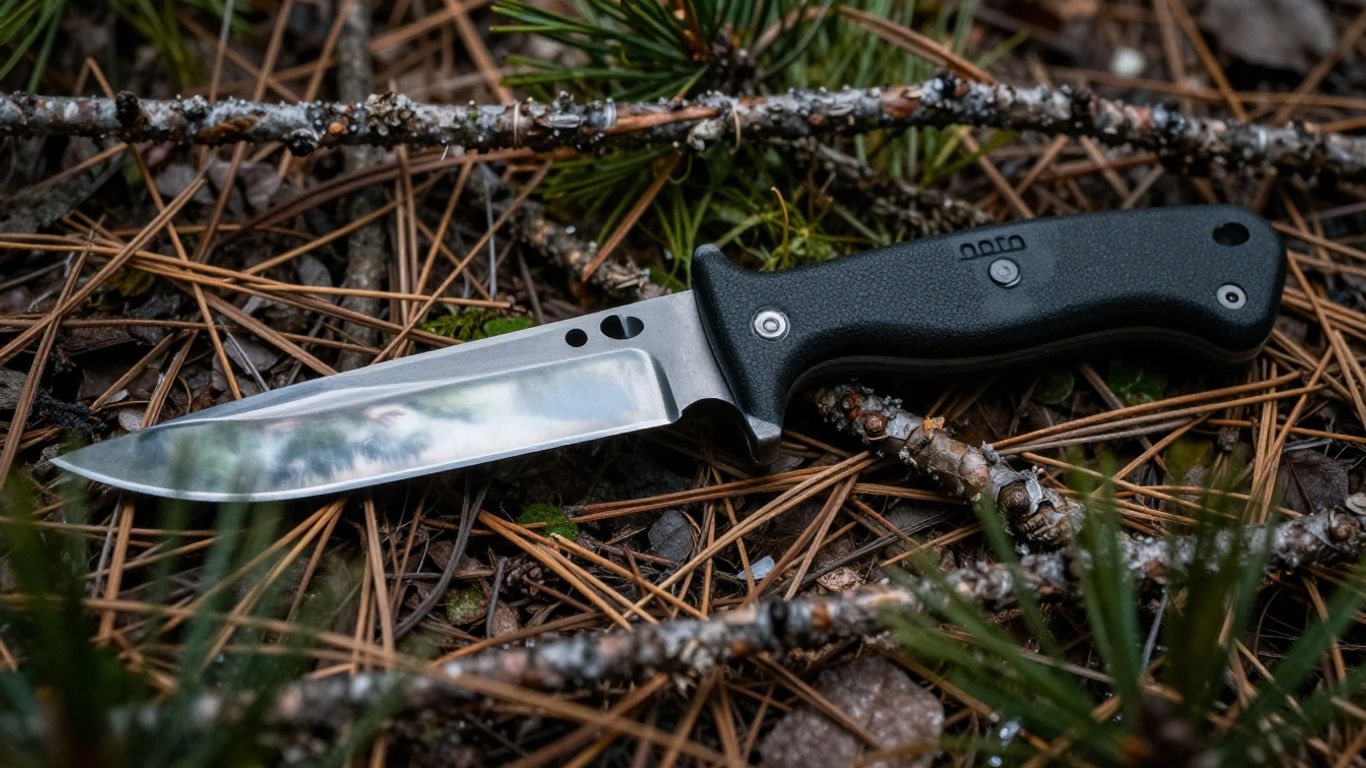
So, you've decided a survival knife is a must-have for your outdoor excursions. That's a smart move. But with so many options out there, how do you pick the one that's actually going to work for you? It's not just about grabbing the shiniest blade; it's about matching the knife to how you'll use it. Let's break down the key things to consider.
Blade Design: Fixed vs. Folding
This is one of the first big decisions you'll make. Fixed-blade knives are basically one solid piece of metal from the tip of the blade all the way through the handle. This makes them super strong and reliable, great for tougher jobs like chopping wood or prying things open. They're generally considered more robust for serious survival situations.
Folding knives, on the other hand, have a blade that tucks into the handle. They're usually more compact and easier to carry around, making them a popular choice for everyday tasks or lighter outdoor activities. While they're convenient, they might not hold up as well under extreme stress compared to a fixed blade.
Blade Shape And Its Impact On Functionality
The shape of the blade matters a lot for what you can do with it. A drop-point blade, where the spine curves down to the tip, is a good all-around choice. It's strong and good for general cutting and piercing.
A tanto blade has a more angular tip, which is really tough and great for stabbing or puncturing. If you think you'll need to do a lot of heavy-duty piercing, this might be your pick. For tasks like skinning or preparing food, a clip-point blade, with its sharp, angled tip, can be quite useful.
Handle Ergonomics For Comfort And Control
Don't underestimate the handle! If your knife feels awkward or slippery in your hand, you're going to have a tough time using it, especially for longer periods or when your hands are wet or sweaty. Look for handles that feel good in your grip. Materials like textured rubber or G10 can provide a secure hold.
A comfortable and secure grip isn't just about feeling good; it's about safety and efficiency. When you can hold your knife firmly, you're less likely to slip and injure yourself, and you can perform tasks with more precision and less fatigue.
Consider the overall shape and size of the handle too. Does it fit your hand well? Is there a finger guard to keep your hand from sliding onto the blade? These details can make a big difference when you're out in the field.
Matching Your Knife To Your Adventure
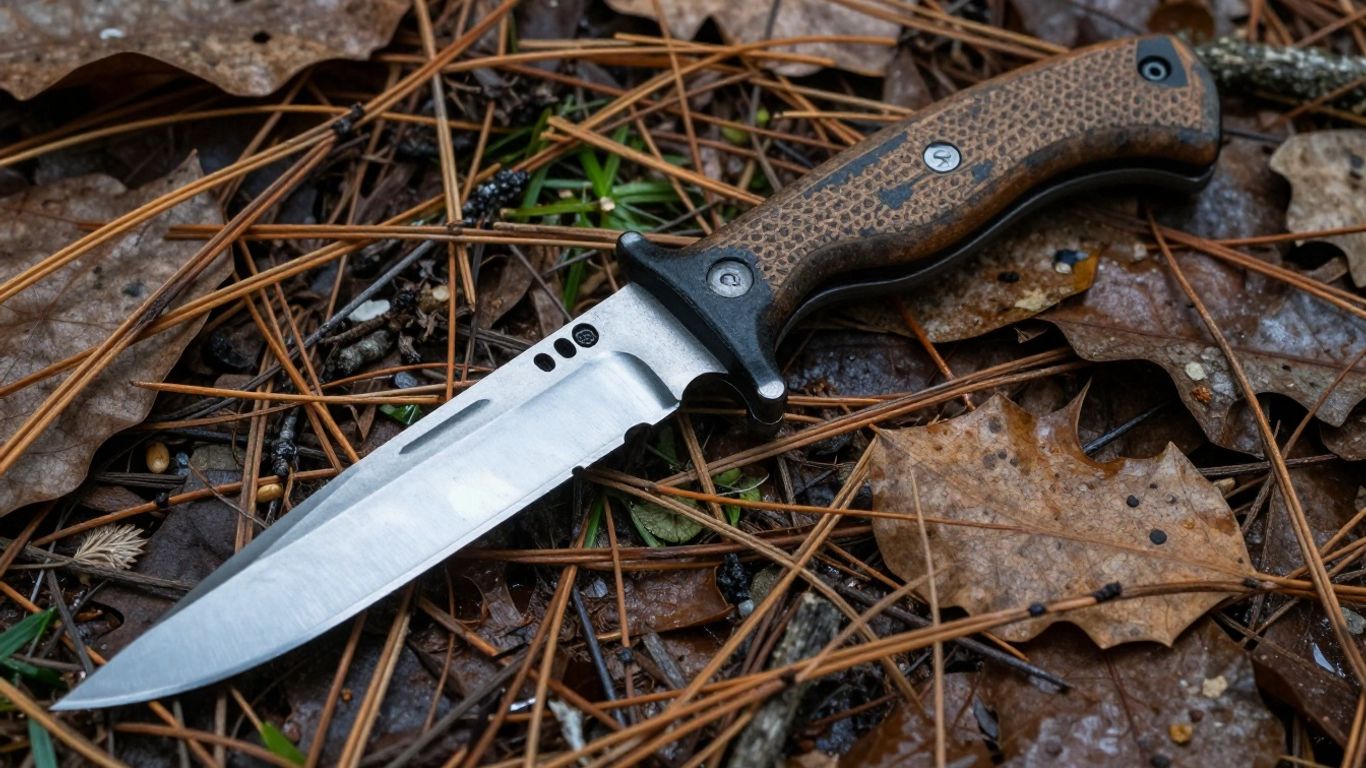
So, you've got a handle on what makes a good knife, but how do you pick the right one for what you actually plan to do out there? It’s not a one-size-fits-all situation, not by a long shot. Think about it: the knife you need for a weekend camping trip is probably different from the one you'd want for a week-long trek through rough country.
Considering the Type of Outdoor Adventure
Your adventure dictates a lot. Are you mostly car camping with short hikes, or are you backpacking for days on end? For casual camping, a sturdy folding knife might be all you need. It’s easy to carry and handle for tasks like preparing food or cutting cordage. But if you're heading into more remote areas, especially for extended periods, you'll want something tougher. A full-tang fixed blade knife is generally a better bet here. It's built for strength and can handle more demanding jobs without you worrying about it breaking.
Aligning Intended Use With Knife Capabilities
What are you actually going to do with the knife? This is a big one. If your main goal is processing game in the field, you might want a blade with a bit of a belly and a sharp point for detailed work like skinning. For general bushcraft, like making feather sticks for fire or carving wood, a knife with a bit more heft and a robust spine is useful. If you anticipate needing to do some light chopping, like clearing small branches for a shelter, a thicker blade will serve you better than a thin one.
Here’s a quick look at how different adventures might steer your choice:
- Casual Camping/Day Hiking: A reliable folding knife or a smaller fixed blade. Focus on portability and ease of use for everyday tasks.
- Backpacking/Extended Trips: A robust fixed blade, preferably full-tang. Durability and the ability to handle tougher jobs are key.
- Hunting/Bushcraft: A fixed blade with a design suited for the specific tasks – e.g., a skinner for hunting, a more general-purpose blade for bushcraft.
- Survival Situations: A versatile, durable fixed blade that can handle a wide range of tasks, from shelter building to fire prep.
Don't overthink it, but don't underthink it either. The goal is to have a tool that's up to the job without being a burden to carry or use.
Seasonal Considerations For Your Survival Blade
Believe it or not, the season can also play a role. In wet, cold weather, rust resistance becomes more important. A stainless steel blade might be a better choice than a high-carbon steel one that needs more diligent care to prevent corrosion. If you're dealing with frozen materials, like trying to cut through icy rope or frozen wood, a sharp, sturdy blade is non-negotiable. Conversely, in hot, dry conditions, you might be more focused on tasks like preparing food or making tinder, where blade shape and sharpness are paramount. Always think about the conditions you're most likely to encounter and how your knife will perform in them.
Essential Maintenance For Your Survival Knife
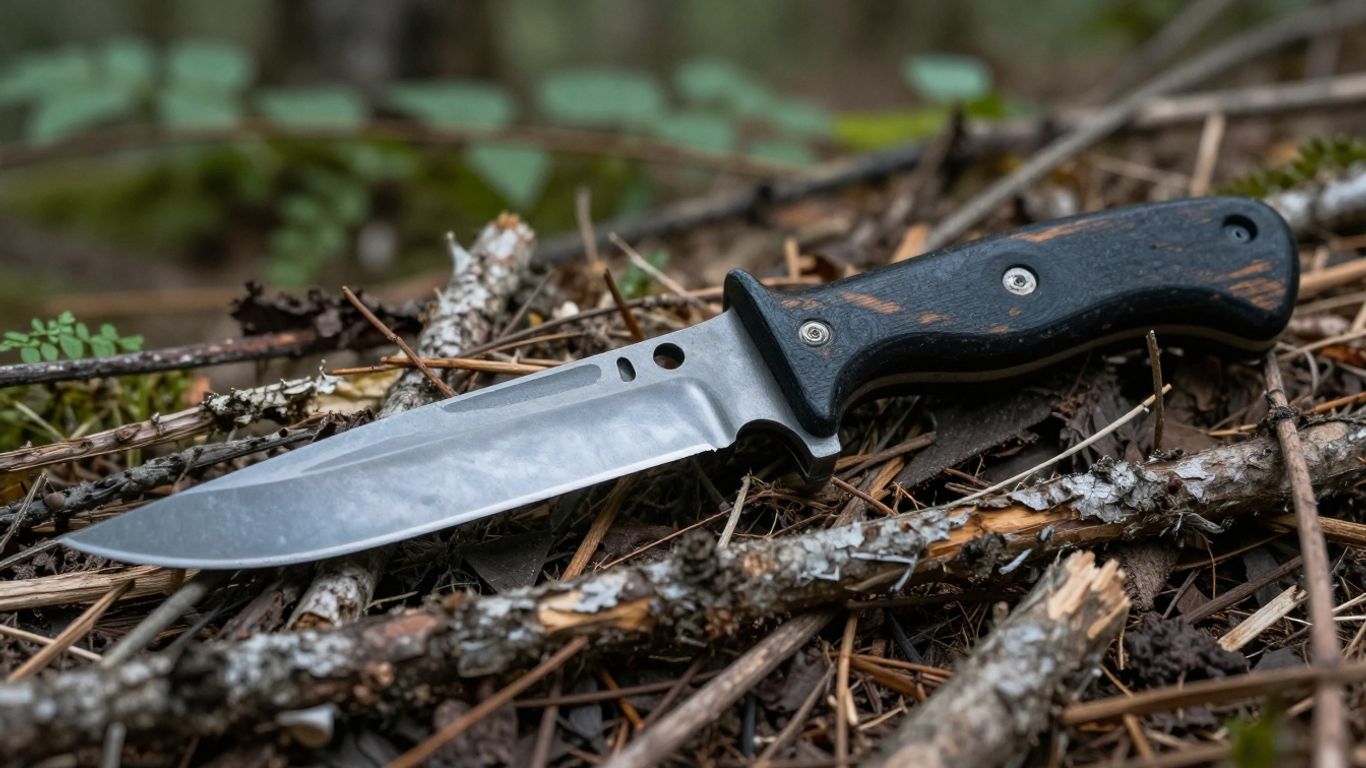
Your survival knife is a tool you rely on when you're out in the wild. To make sure it's always ready for action, you've got to take care of it. Think of it like any other piece of gear; a little attention goes a long way.
Keeping Your Blade Sharp and Ready
A dull knife isn't just frustrating, it can be dangerous. It takes more force to cut, increasing the chance of slipping. Keeping your blade sharp is key.
- Honing: For minor touch-ups between sharpenings, a quick hone can straighten out the microscopic teeth on the blade's edge. You can use a leather strop or even the edge of a sturdy cardboard box for this. Just angle the blade and pull it backward across the surface.
- Sharpening: When honing isn't enough, it's time to sharpen. You've got options like whetstones, sharpening rods, or guided systems. Pick what works best for you and follow the instructions. Aim to sharpen your knife whenever you notice it struggling to cut through materials easily.
Cleaning and Protecting Against the Elements
Rust and gunk are the enemies of a good knife. After using your knife, especially if it's seen water or dirt, give it a good clean.
- Washing: Use warm water and a bit of mild soap. Gently scrub away any dirt, sap, or food residue. Be careful around that sharp edge!
- Drying: This is super important, especially if your blade is made of high-carbon steel. Dry it thoroughly with a clean cloth. Don't let it air dry, as that's an invitation for rust.
- Oiling: For added protection, especially if you're storing the knife for a while or if it's been exposed to moisture, a light coat of knife oil or even mineral oil can help prevent rust. Wipe off any excess.
Proper Storage For Longevity
How you store your knife when you're not using it matters too. It keeps the blade safe and prevents accidents.
- Sheath: Always store your knife in its sheath. This protects the blade from damage and keeps you from accidentally cutting yourself or other gear.
- Dry Place: Find a cool, dry spot for storage. Avoid damp basements or humid environments that can encourage corrosion.
- Folding Knives: If you have a folding knife, make sure it's closed and locked before storing it. This is a simple safety step that prevents the blade from opening unexpectedly.
Taking a few minutes to clean and sharpen your knife after use, and storing it properly, will make it last for years and perform reliably when you need it most. It's a small effort for a tool that could be a lifesaver.
Top Picks For Outdoor Survival Knives
Alright, let's talk about some actual knives. Picking the right one can feel like a big deal, and honestly, it is. You want something that won't let you down when things get tough. We've put a bunch of them through their paces, and these are the ones that really stood out. Whether you're on a tight budget or need something that can handle serious abuse, there's a knife here for you.
Reliable Budget-Friendly Options
If you're just starting out or don't want to break the bank, there are some solid choices that won't cost you an arm and a leg. These knives are surprisingly tough and capable for their price.
- Morakniv Companion: This is a classic for a reason. It's super affordable, holds an edge well, and is just a workhorse. Great for general camp chores and light bushcraft.
- Schrade SCHF52 Frontier: For under $60, you get a full-tang knife with a decent-sized blade made from 1095 high-carbon steel. It's a bit basic, but it gets the job done.
- Gerber StrongArm: While it can be a bit more than the others, it often goes on sale. It's got a good feel in the hand and a sturdy blade that's ready for a lot of tasks.
Robust Choices For Heavy-Duty Tasks
When you need a knife that can take a beating and keep on going, you need something built like a tank. These are the knives you want for serious chopping, batoning wood, and pretty much anything else you can throw at them.
- KA-BAR Becker BK2 Campanion: This knife is legendary for its toughness. It's got a thick, stout blade that can handle some serious abuse. It's a bit on the heavier side, but that's part of its charm and capability.
- TOPS Knives Wilderness Guide ‘23: This is a more premium option, but it's built for the long haul. With its robust 1095 high-carbon steel and solid construction, it's ready for anything the wilderness throws at it.
- Woodman’s Pal: This isn't your typical knife, but it's a fantastic tool for clearing brush and heavier chopping tasks. It's more of a machete-axe hybrid, and it's incredibly effective.
Versatile Knives For All-Around Use
Sometimes you need a knife that can do a little bit of everything well. These are the multi-tools of the knife world, adaptable to a wide range of situations without being too specialized.
- ESEE Izula II: Don't let its small size fool you. This full-tang knife is incredibly tough and versatile. It's great for finer tasks like making feather sticks or preparing food, but it can also handle some tougher jobs.
- Hogue Knives Ritter MK1-G2: This knife uses MagnaCut steel, which is known for being tough, corrosion-resistant, and holding an edge really well. It's a great all-around performer with a comfortable handle.
- White River Knives Firecraft FC 3.5 Pro: This one is designed with fire-starting in mind, but it's also a fantastic general-purpose survival knife. The MagnaCut steel is top-notch, and it feels great in the hand.
Choosing the right knife is a personal journey. What works for one person might not be ideal for another. Consider your typical outdoor activities, the environment you'll be in, and what feels comfortable and reliable in your hand. A good survival knife is an investment in your safety and enjoyment outdoors.
Wrapping Up Your Knife Knowledge
So, we've gone over a lot about survival knives – what makes a good one, how to pick it, and why it's such a big deal to have one with you out there. Honestly, it's not just about having a sharp edge; it's about having a reliable partner for whatever the wild throws your way. Whether you're building a quick shelter, prepping some food, or just need to cut some cord, the right knife makes things so much easier and safer. Take your time, think about what you'll actually be doing, and choose a knife that feels right in your hand. A little bit of care, like keeping it clean and sharp, will make sure it's ready when you are. Happy trails, and stay safe out there!
Frequently Asked Questions
Why is a survival knife so important when I'm outdoors?
A survival knife is like your best friend in the wild. It can help you with tons of things, like building a shelter to stay dry, preparing food you might catch or find, cutting rope, and even helping you if you get into a tricky situation. It's a tool that can really help you stay safe and handle problems.
What makes a survival knife good?
A good survival knife is tough and can do many jobs. Look for a strong blade that stays sharp, a handle that's comfy and won't slip, and one that's made from good metal. It should feel good in your hand and be strong enough for whatever you need to do, whether it's slicing something small or chopping wood.
Should I get a knife with a blade that doesn't fold, or one that does?
Knives that don't fold, called fixed blades, are usually tougher and better for really hard jobs like chopping or prying. Knives that do fold are smaller and easier to carry around, making them great for everyday tasks or lighter jobs. It really depends on what you plan to do most with your knife.
Does the type of metal the blade is made of matter?
Yes, it matters a lot! Some metals, like stainless steel, don't rust easily, which is great if you're around water. Other metals, like high-carbon steel, can be sharpened to be super sharp and stay that way, but they might need a little more care to prevent rust. The best metal depends on where you're going and what you'll be doing.
How do I take care of my survival knife?
Taking care of your knife is simple but important. After you use it, wash it and dry it really well so it doesn't get rusty. Keep the blade sharp by using a sharpener now and then. When you're not using it, keep it in a safe place, like its cover, to protect both you and the knife.
Can I use the same knife for all my outdoor trips?
You can use the same knife for many trips, but you should think about where you're going and what you'll be doing. For example, if you're going camping in the winter, you might need a knife that can cut through frozen things easily. Always make sure your knife is the right kind for your adventure and that it's in good shape.


