
Unlock Your Culinary Potential: The Ultimate Guide to Beginner-Friendly High-End Knives
by Marco Castro on Feb 24, 2026

Thinking about getting some fancy knives but worried you'll just mess them up? Totally get it. It's easy to think that high-end kitchen tools are just for pros, but honestly, the right beginner-friendly high-end knives can actually make your life easier. They're sharper, more balanced, and just feel better in your hand. This guide is all about helping you pick out some great starter knives and learn how to use them without any fuss. We’ll cover why they’re worth it, what to look for, and how to keep them in good shape, so you can start cooking with more confidence.
Key Takeaways
- Investing in beginner-friendly high-end knives means getting tools that last longer and perform better, which can really boost your confidence in the kitchen.
- Start with a few versatile knives like a chef's knife and a paring knife; you don't need a huge set to begin.
- Proper grip, like the pinch grip, and using your knuckles as a guide with the claw grip are vital for control and safety.
- Learn basic cuts like the rocking chop and practice uniform slicing for better cooking and presentation.
- Taking care of your knives by keeping them sharp, cleaning them properly, and using the right cutting boards will make them last and work better.
Why Beginner-Friendly High-End Knives Are a Smart Investment
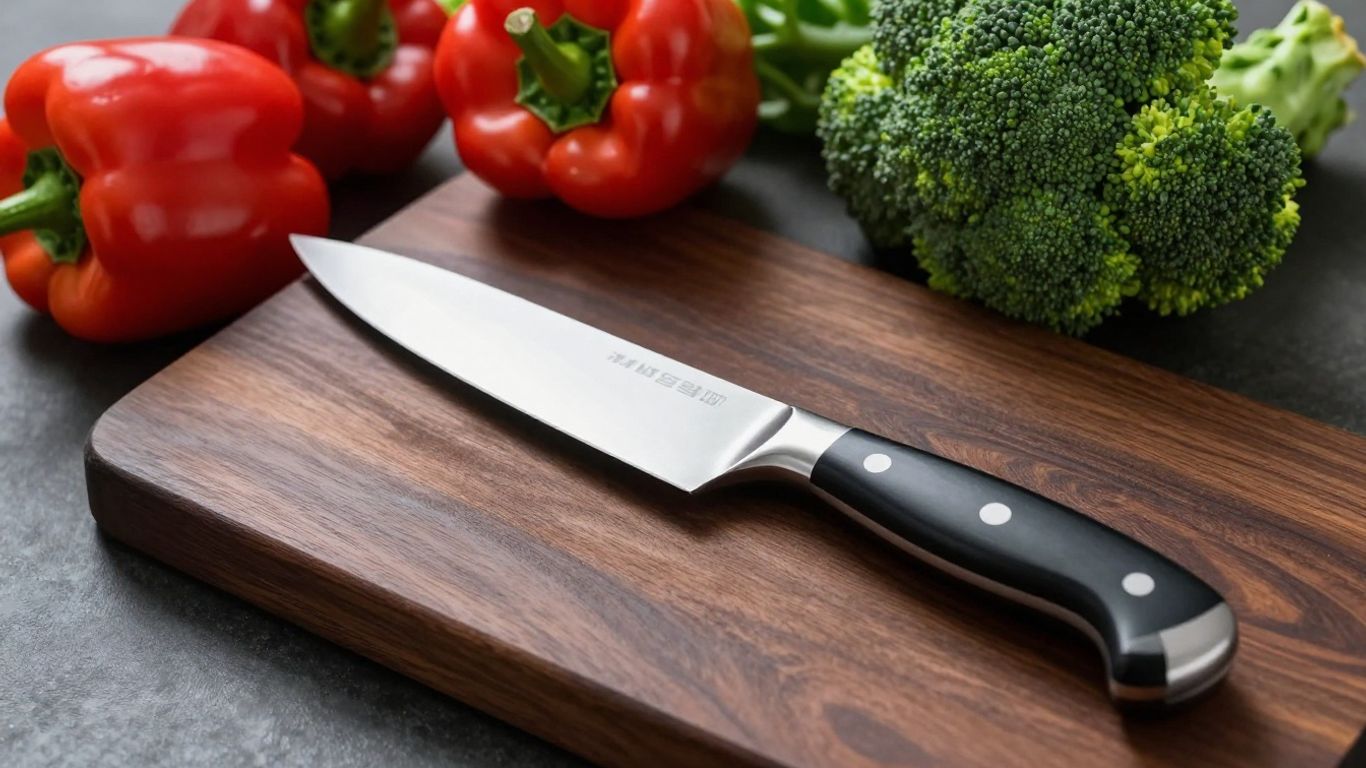
Buying your first high-quality knife might sound overboard if you’re just getting into cooking, but it’s honestly one of the best choices you can make for your kitchen. With a great knife in your hands, everything from slicing tomatoes to prepping a whole chicken just feels easier. Here’s why these knives make such a difference, even for total beginners.
Long-Term Performance and Reliability
A beginner-friendly, high-end knife is made from better steel, holds a sharp edge longer, and just feels solid every time you pick it up.
What sets these knives apart:
- Higher-grade steel for consistent sharpness and strength.
- Better balance and grip for safer, more comfortable chopping.
- Designed to last for years—even decades—with basic care.
| Feature | High-End Knives | Basic Knives |
|---|---|---|
| Steel Quality | Premium, long-lasting | Often soft, dulls fast |
| Edge Retention | Stays sharp with easy upkeep | Loses edge quickly |
| Handle Comfort | Ergonomic—fits most hands | Can feel awkward |
Investing in one good knife now means you aren’t constantly replacing dull, frustrating blades again and again. It's a smart move—especially if you plan on cooking often.
Boosting Culinary Confidence for New Cooks
When you’re learning how to cook, a knife that just works is a huge confidence boost. Struggling with a dull or flimsy blade makes everything harder and more stressful. A sharp, balanced knife lets you focus on the food, not on fighting your equipment.
Here’s what changes when you upgrade:
- Slicing is smoother and feels almost effortless.
- You’ll make fewer mistakes—less frustration, fewer injuries.
- Enjoyment of cooking goes up, and prep time goes down.
It’s no exaggeration: a trusty blade makes you braver in the kitchen. You start trying new things just because prep isn’t a chore anymore.
Elevating Everyday Recipes with Professional Results
A high-end knife isn’t just about status; it’s about results you can see and taste. Uniform cuts make for even cooking, prettier plates, and, sometimes, food that just tastes better because you handled ingredients properly.
- Chopped veggies cook at the same speed—no more burnt or crunchy surprises.
- Finely sliced meats and herbs release more flavor.
- Food presentation improves, whether you’re making a salad or carving a roast.
You don’t need chef-level skills—just a good knife and some practice. The right tool does half the work, and before you know it, your home cooking starts looking (and tasting) a bit more impressive.
Understanding the Different Types of High-End Knives for Beginners
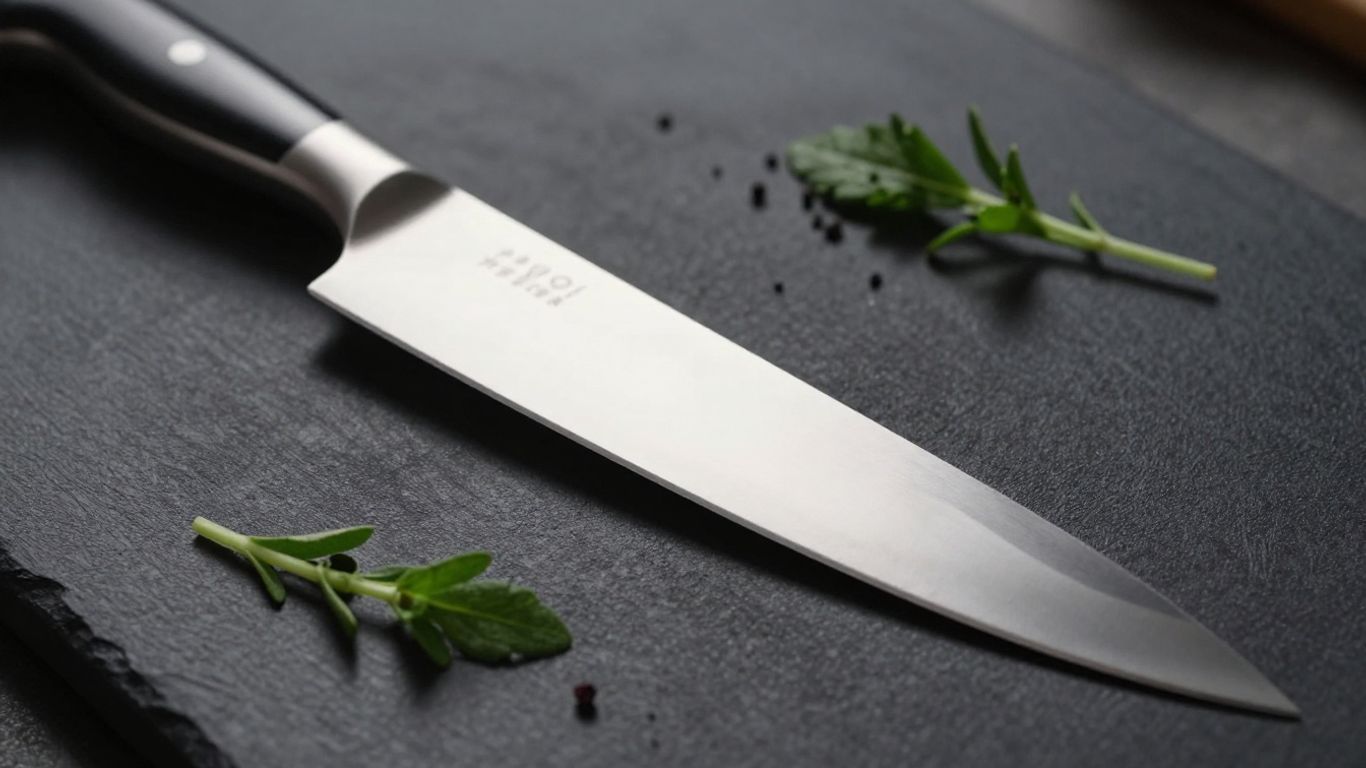
When you're starting out in the kitchen, the world of high-end knives can seem a bit overwhelming. There are so many shapes, sizes, and styles! But don't worry, we'll break down the basics so you can pick the right tools for your culinary journey. Think of these knives not just as tools, but as investments in your cooking.
Essential Knives Every Starter Kitchen Needs
For a beginner, it's best to start with a few versatile knives that can handle most tasks. You don't need a massive block full of knives right away. Focus on quality over quantity. Here are the absolute must-haves:
- Chef's Knife: This is your workhorse. A good chef's knife, typically 8 inches long, can chop, slice, dice, and mince. It's the most important knife in your kitchen.
- Paring Knife: Small and nimble, this knife is perfect for detailed work like peeling fruits and vegetables, deveining shrimp, or trimming small items.
- Serrated Knife (Bread Knife): While called a bread knife, its serrated edge is also great for slicing tomatoes, citrus, and other foods with tough skins and soft interiors. It grips and slices without crushing.
What Sets High-End Knives Apart From Budget Blades
So, what makes a knife
Mastering Safe Knife Handling and Grip Techniques
Getting comfortable with your knife is the first step to cooking with confidence. It’s not just about having a good knife; it’s about knowing how to hold it and use it without any worry. When you feel secure with your grip, you’ll find yourself moving faster and more accurately. Let’s talk about how to hold your knife and your food safely.
Finding Your Perfect Knife Grip
The way you hold your knife makes a big difference in how much control you have. A good grip means fewer slips and more precise cuts. It’s like learning to ride a bike – once you get the hang of it, everything else falls into place.
The Claw and Pinch: Safety First
There are two main ways to hold things safely: the pinch grip for your knife and the claw grip for your food. These might feel a little strange at first, but they are what chefs use for a reason. They give you the most control and keep your fingers out of harm’s way.
- Pinch Grip: This is where you hold the blade itself, right where it meets the handle, using your thumb and index finger. Your other three fingers wrap around the handle. This grip puts your hand closer to the blade, giving you much better control over what you're doing. It’s a game-changer for slicing and dicing.
- Claw Grip: When you’re holding food, curl your fingers inward, like a claw. Your knuckles should be pointing forward, acting as a guide for the knife blade. This keeps your fingertips tucked away and safe. It also helps you move the food steadily as you cut.
Combining the pinch grip on your knife with the claw grip on your food is the safest way to work. It allows for quick, controlled movements and significantly reduces the chance of accidents. Think of it as your personal safety system in the kitchen.
Building Confidence With Proper Motions
Once you have a good grip, you can start thinking about how you move the knife. The goal is to make smooth, controlled motions. Don’t rush yourself; focus on making clean cuts. With practice, these movements will become second nature, and you’ll feel much more confident in the kitchen. Remember, a sharp knife is a safe knife, so keeping your blades in good shape is also part of safe handling. Investing in a quality knife block can help keep your tools in top condition [f4ed].
Sharpening Your Skills: Key Cutting Techniques for Beginners
Getting comfortable with your knife is a big step in the kitchen. It’s not just about chopping vegetables; it’s about doing it safely and efficiently. Think of these techniques as your foundation. Once you get these down, everything else will feel much easier.
Unlocking the Rock Chop Method
The rock chop is a go-to for many cooks, especially for things like herbs and leafy greens. You keep the tip of the knife on the cutting board and just rock the blade up and down. It’s a smooth motion that helps you cut things quickly without lifting the knife too much. This constant contact with the board gives you a lot of control, which is super important for staying safe. It’s a great way to get through a pile of parsley or basil without a fuss.
Perfecting the Chiffonade for Vibrant Garnishes
Chiffonade sounds fancy, but it’s really just a way to cut leafy greens into thin ribbons. You start by stacking your leaves, rolling them up tightly like a cigar, and then slicing across the roll. This gives you beautiful, uniform strips that look great as a garnish or mixed into salads. It takes a little practice to get those ribbons nice and thin, but it’s worth it for the presentation. It’s a good way to practice making precise, thin cuts.
Practicing Uniform Cuts for Consistent Results
Why do chefs care so much about cuts looking the same? Because it makes food cook evenly. If you have big chunks and small bits of the same vegetable, the small bits will burn before the big ones are cooked. Making uniform cuts, whether it's a dice, a julienne, or a slice, means your food will turn out better every time. It also makes your dishes look more appealing. Start by practicing on something simple like a carrot or a potato. Try to make all your pieces the same size. It might feel slow at first, but the more you do it, the faster and more accurate you’ll become. Remember to always use your claw grip to protect your fingers while you practice.
The key to good knife skills isn't speed; it's control and consistency. Focus on making each cut deliberate and precise. As you get more comfortable, you'll naturally find your rhythm and speed will increase without sacrificing safety or quality.
Caring for Your Beginner-Friendly High-End Knives
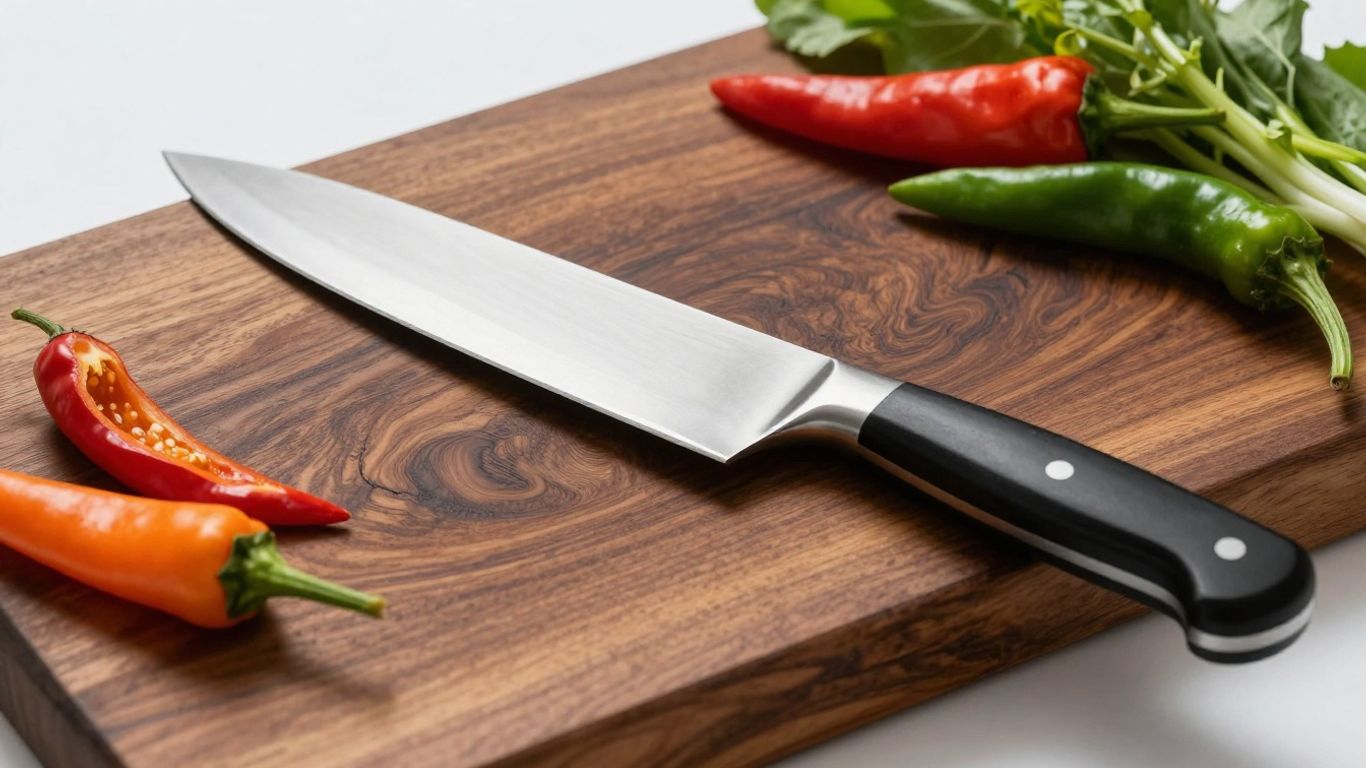
So you've got your shiny new set of high-end knives. That's fantastic! But to keep them performing like the pros they are, you've got to treat them right. Think of it like taking care of a good car; regular maintenance means it'll run smoothly for ages. Proper care isn't just about keeping them looking good, it's about safety and making your time in the kitchen easier.
Sharpening and Honing for Lasting Sharpness
This is probably the most important part. A sharp knife is a safe knife. It glides through food instead of getting stuck, which means less chance of it slipping and causing an accident. Dull knives are actually more dangerous because you have to push harder.
- Honing: This is something you should do often, maybe even before every use. A honing steel (or rod) doesn't actually sharpen the knife; it realigns the microscopic edge that gets bent out of shape during normal use. It's like straightening a bent nail before you hammer it.
- Sharpening: This is for when honing isn't enough anymore. Sharpening actually removes a tiny bit of metal to create a new, sharp edge. How often you need to sharpen depends on how much you use your knives and what you're cutting. For most home cooks, sharpening every few months is plenty. Don't go overboard, though; too much sharpening can wear down your blade faster than you want.
- Angle: When you do sharpen, try to keep a consistent angle. Most kitchen knives do well between 15 and 20 degrees. If you're not sure, tools with preset angles can help.
Taking care of your knives means they'll take care of you in the kitchen. A sharp blade makes cooking more enjoyable and much safer.
The Right Way to Clean and Store Your Knives
After you're done chopping, don't just leave your knives lying around or toss them in the sink. They deserve a little more respect than that.
- Cleaning: Always hand wash your knives. Use a mild soap and warm water. Don't scrub the blade with the rough side of a sponge, as it can scratch. Most importantly, dry them thoroughly right away. This is especially true for carbon steel knives, which can rust if left wet.
- Dishwashers are a no-go: Seriously, never put your good knives in the dishwasher. The high heat, harsh detergents, and banging around can ruin the blade and the handle.
-
Storage: How you store your knives matters a lot. Loose in a drawer is a recipe for disaster, dulling the blades and risking cuts when you reach in. Better options include:
- Knife Block: A classic for a reason. Just make sure it's clean and dry inside.
- Magnetic Strip: Great for saving counter space and keeping knives easily accessible. Make sure it's mounted securely.
- Blade Guards: If you do need to store them in a drawer, use individual blade guards to protect the edges.
Selecting the Best Cutting Boards to Protect Your Blades
Your cutting board is your knife's best friend, or its worst enemy, depending on what it's made of. Using the wrong surface can dull your blade surprisingly fast.
- Wood: End-grain wood boards are often considered the gold standard. They're kind to your knife's edge and can even help keep it sharp longer. Regular wood boards are also a good choice.
- Plastic: High-quality plastic boards are another solid option. They're durable and easier to clean than wood.
- Avoid: Steer clear of glass, marble, granite, or metal cutting surfaces. These are way too hard and will dull your knife edge very quickly. You'll end up sharpening more often than you cook!
By following these simple steps, your beginner-friendly high-end knives will stay sharp, safe, and ready for action for years to come. It’s a small investment of time that pays off big in the kitchen. For more on keeping your blades in top shape, check out proper knife care.
Building Your High-End Starter Knife Set
So, you've decided to invest in some good knives. That's a smart move! But where do you even start with all the options out there? It can feel a bit overwhelming, I get it. The good news is, you don't need a whole block full of knives right away. A few well-chosen pieces will get you much further than a big, fancy set you'll barely use.
Focusing on Versatility Over Quantity
When you're just starting out, think about what you actually cook. Are you making a lot of stir-fries? Do you bake a lot and need to chop herbs? Or maybe you're just trying to get through weeknight dinners a bit faster. The goal is to pick knives that can do a lot of different jobs well. A knife that can handle chopping vegetables, slicing meat, and mincing garlic is way more useful than three specialized knives you'll only pull out once a year.
Must-Have Knives for New Cooks
If you're building a starter set, there are a few key players that will make your life in the kitchen so much easier. You really only need three to get going:
- Chef's Knife: This is your workhorse. A good chef's knife, usually around 8 inches, can do almost anything. It's great for chopping, slicing, and dicing. If you buy only one knife, make it this one.
- Paring Knife: This little guy is perfect for smaller, more detailed tasks. Think peeling fruits, trimming vegetables, or deveining shrimp. It gives you a lot of control for delicate work.
- Serrated Knife (Bread Knife): Don't let the name fool you; this isn't just for bread. Its saw-like edge is fantastic for cutting through things with tough exteriors and soft interiors, like tomatoes, citrus fruits, or even roasted meats. It slices without crushing.
Features to Look For in Quality Knives
When you're looking at knives, keep an eye out for a few things that signal good quality. It's not just about the brand name.
- Full Tang: This means the metal of the blade extends all the way through the handle. You can usually see it if you look at the spine of the handle. Full tang knives are stronger and more balanced.
- Blade Material: High-carbon stainless steel is a popular choice because it holds an edge well and resists rust. It's a good balance of durability and sharpness.
- Handle Comfort: The handle should feel good in your hand. It shouldn't be too slippery, and it should fit your grip comfortably. Try to hold the knife before you buy it, if possible. A comfortable handle makes a big difference in how long you can chop without your hand getting tired.
Building a good knife set is about smart choices, not just spending a lot of money. Start with the basics, focus on quality and comfort, and you'll have tools that make cooking a joy, not a chore. These few versatile knives will serve you well for years to come.
Think of your starter set as the foundation. You can always add more specialized knives later if you find you need them. But these three will cover about 90% of what you'll do in the kitchen. Happy chopping!
Tips to Grow Your Confidence and Knife Skills
Getting comfortable with your knives is a journey, not a race. It's all about building good habits and practicing them consistently. Don't worry if things feel a bit clumsy at first; everyone starts somewhere. The key is to keep at it and focus on safety and precision.
Making Practice Part of Your Cooking Routine
Think of practicing your knife skills like practicing a musical instrument. The more you play, the better you get. Start small with ingredients that are easy to handle, like zucchini or cucumbers. These are forgiving and will help you get a feel for your knife's movement. As you get more comfortable, try dicing onions or slicing potatoes. These might take a little more effort, but they're great for honing your technique. Even simple tasks like chopping herbs for a garnish can be a mini-practice session.
- Start with Soft Produce: Zucchini, cucumber, bell peppers.
- Move to Medium Density: Onions, tomatoes, mushrooms.
- Challenge Yourself: Carrots, potatoes, sweet potatoes.
Consistent, short practice sessions are more effective than infrequent marathon sessions. Aim for 5-10 minutes of focused practice a few times a week.
Staying Safe Without Rushing
Safety is always number one in the kitchen, especially when sharp objects are involved. The biggest mistake beginners make is trying to go too fast. Slow down. Really focus on what you're doing. Make sure your cutting board is stable and not sliding around. Keep your fingers tucked under in a "claw" grip, using your knuckles as a guide for the blade. A sharp knife is actually safer than a dull one because it cuts with less pressure, reducing the chance of it slipping. So, keep those blades sharp!
Troubleshooting Common Knife Struggles
It's normal to run into a few snags along the way. Here are some common issues and how to fix them:
- Food Slipping: This can happen if your cutting board or the food is wet, or if the food is too round. Try drying both the board and the food. For round items, create a flat surface by slicing off a thin piece first. Make sure your knife is sharp, too.
- Fingers Too Close to the Blade: This usually means you're not using the "claw grip" properly. Always tuck your fingertips under, letting your knuckles guide the knife. It might feel unnatural at first, but it's the safest way.
- Uneven Cuts: This often comes down to speed and consistency. Try to maintain a steady rhythm. If you're cutting something like carrots, focus on making all the pieces the same thickness before moving to the next step (like dicing).
Don't get discouraged if your cuts aren't perfect right away. Every chef started somewhere, and with a little patience and practice, you'll be slicing and dicing like a pro before you know it.
Ready to Chop Like a Pro?
So, there you have it. Getting comfortable with good knives doesn't have to be complicated. We've talked about why having the right tools matters, how to hold them safely, and even a few basic cuts to get you started. Remember, it's not about being the fastest cook in the room. It's about being safe, efficient, and enjoying the process. Keep practicing those basic grips and cuts, keep your knives sharp, and you'll be surprised at how much more confident and capable you feel in the kitchen. Happy cooking!
Frequently Asked Questions
Why should I buy a more expensive knife if I'm just starting out?
Think of it like buying a good pair of sneakers instead of flip-flops for running. A better knife is made with stronger stuff, so it lasts way longer and stays sharp. This makes cutting easier and safer, which helps you feel more confident in the kitchen. Plus, it makes your food look and taste better, turning simple meals into something special.
What are the most important knives for a beginner to own?
You don't need a whole set! Start with a good chef's knife (around 8 inches) for most tasks, a small paring knife for peeling and small jobs, and maybe a serrated knife for bread. These three can handle about 90% of what you'll do in the kitchen and will help you learn the basics.
How do I hold a knife safely?
The best way is the 'pinch grip.' You pinch the blade right where it meets the handle with your thumb and pointer finger, and wrap your other fingers around the handle. For the hand holding the food, use the 'claw grip' by tucking your fingers under like a claw. Your knuckles will guide the knife, keeping your fingertips safe.
What's the easiest way to cut things like herbs or onions?
The 'rock chop' is super useful. Keep the tip of the knife on the cutting board and rock the blade back and forth to chop. It's fast and keeps the knife moving, which is safer. Combining this with the 'claw grip' for holding food makes chopping onions, herbs, or garlic much easier and safer.
How often should I sharpen my knives?
You should sharpen your knives regularly, but also 'hone' them more often. Honing uses a steel rod to realign the blade's edge, keeping it sharp between actual sharpenings. A sharp knife is much safer because you don't have to push as hard, meaning less chance of slipping.
What kind of cutting board is best?
A sturdy wooden or good quality plastic cutting board is ideal. They're easier on your knife's edge and won't slip around. Avoid glass or stone boards, as they will dull your knife very quickly. It's also smart to have at least two: one for raw meat and one for everything else, to keep things clean.


