
Mastering Safe Knife Cleaning: Essential Tips for Longevity and Safety
by Marco Castro on Feb 16, 2026

Keeping your knives in good shape isn't just about making them look nice. It's really about making sure they work right and, more importantly, that you don't accidentally cut yourself. Whether you've got a fancy chef's knife or a trusty pocket knife, a little bit of attention goes a long way. We're going to talk about how to do safe knife cleaning and general upkeep so your blades stay sharp, last longer, and don't become a hazard in your kitchen or workshop. It's not complicated, but it does require a bit of know-how.
Key Takeaways
- Washing your knives by hand with mild soap and warm water is the best way to keep them in good condition. Dishwashers can damage blades and handles.
- Cleaning your knives right after you use them stops food from sticking and causing rust or corrosion.
- Always dry your knives completely with a towel after washing to prevent rust and keep them sharp.
- Storing knives properly in blocks, on magnetic strips, or with blade guards protects the edges and prevents accidents.
- Regularly cleaning, drying, and storing your knives correctly is key to safe knife cleaning and overall blade longevity.
The Importance Of Safe Knife Cleaning
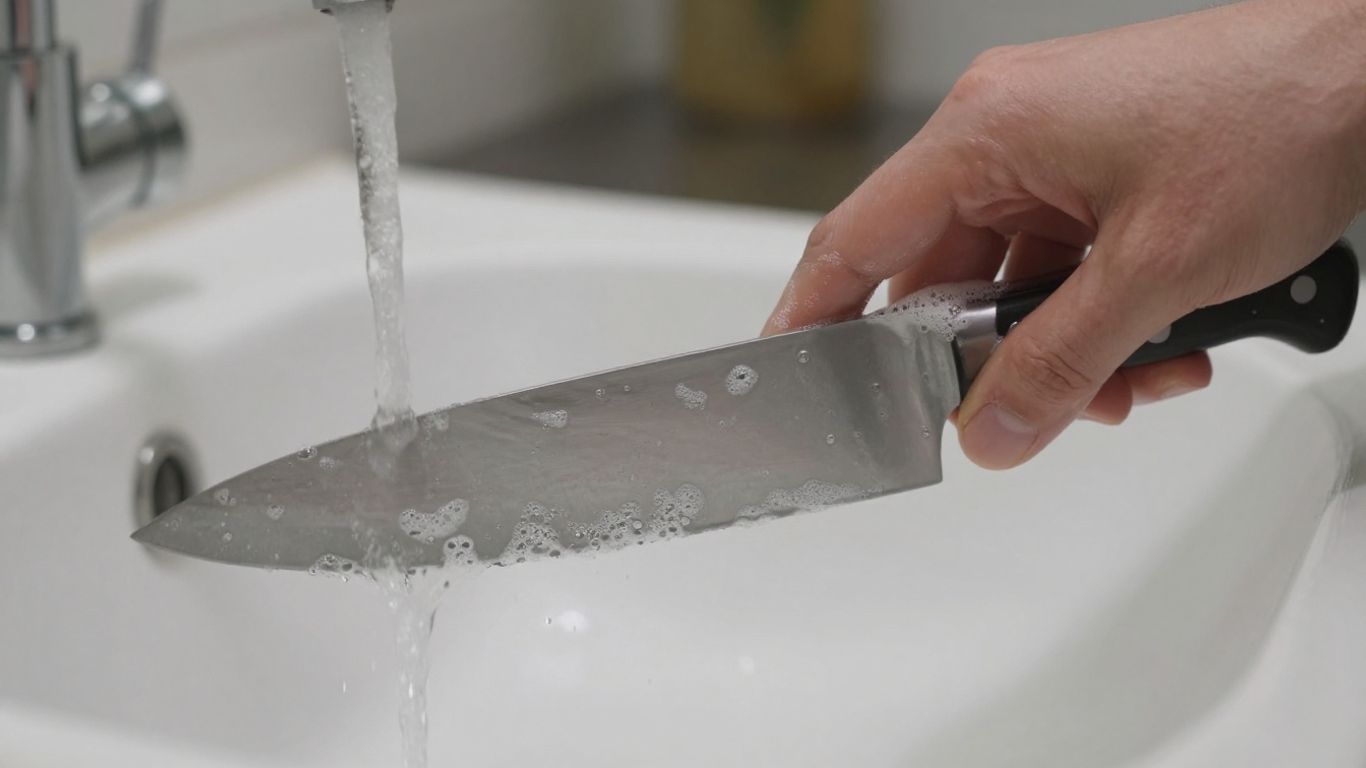
Think of your knives as partners in the kitchen or on your adventures. Just like any good partner, they need a little care to perform their best and stick around for a long time. Proper cleaning isn't just about making them look nice; it's about keeping them working right and keeping you safe.
Enhancing Performance Through Proper Care
A sharp, clean knife makes all the difference. When your blades are well-maintained, they slice, dice, and chop with ease. This means less effort for you and better results in your cooking or tasks. A dull or dirty knife, on the other hand, can be frustrating and lead to messy cuts. Keeping them clean and sharp is key to getting the most out of your tools.
Safety First: Preventing Slips And Accidents
This might sound obvious, but it's worth repeating: dull knives are dangerous. When a blade isn't sharp, you have to push harder to make a cut. This increased force makes it much easier for the knife to slip off your food and onto your hand or fingers. Regular cleaning and sharpening mean your knife grips the food properly, reducing the chance of accidents. It's a simple step that makes a big difference in kitchen safety.
Extending The Lifespan Of Your Blades
High-quality knives are an investment. You want them to last, right? Proper cleaning and care are the best ways to ensure your knives stay in good condition for years, even decades. Things like rust, corrosion, and nicks can shorten a blade's life significantly. By taking a few moments to clean and dry your knives after each use, you're protecting that investment and keeping your blades reliable.
Maintaining A Pristine Appearance
Beyond performance and safety, there's the simple fact that clean knives just look better. Whether they're displayed on a magnetic strip or tucked away in a block, a well-maintained knife has a certain appeal. Regular cleaning prevents unsightly stains and rust spots, keeping your blades looking sharp and new. It shows you take pride in your tools and your work.
Essential Practices For Hand Washing Knives
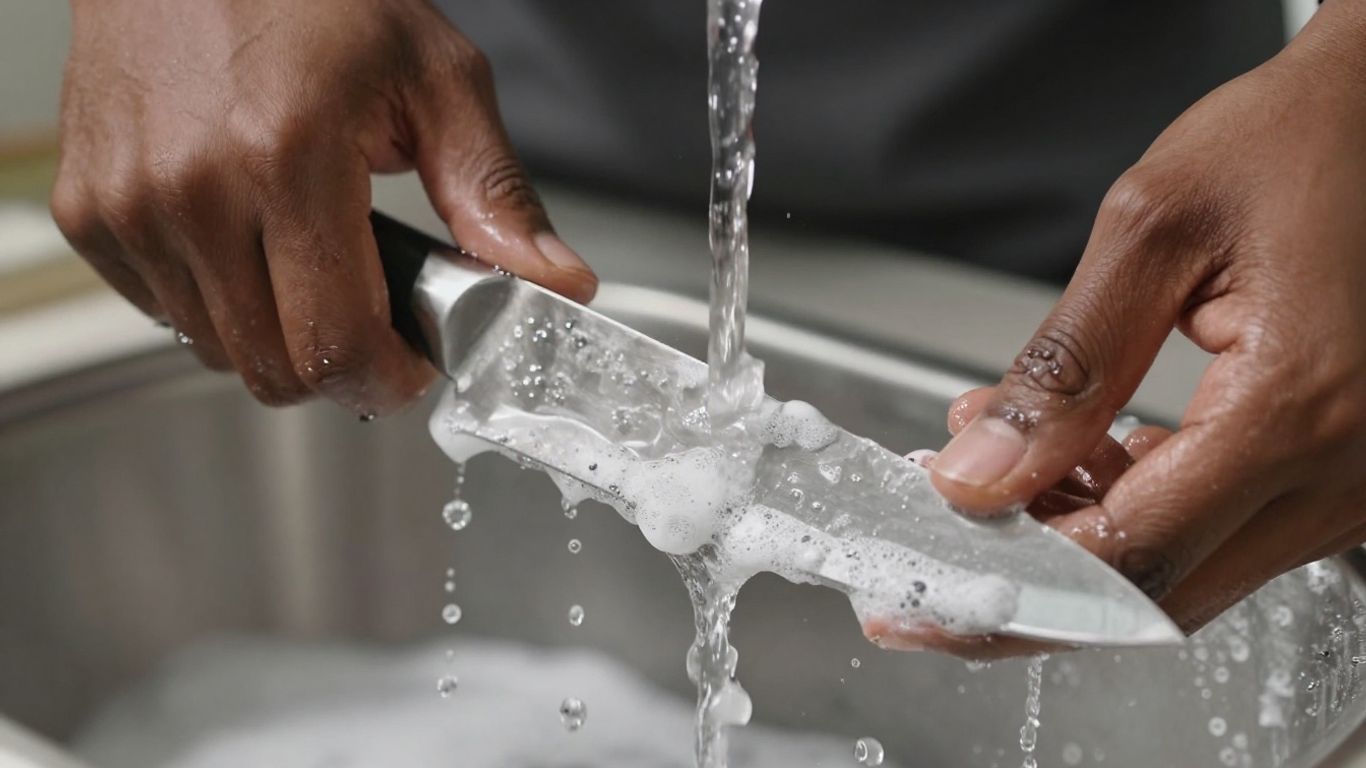
When it comes to keeping your knives in good shape, how you clean them matters a lot. It might seem simple, but a few key steps can make a big difference in how long your knives last and how well they perform. Let's talk about why hand washing is the way to go.
Why Dishwashers Are A Blade's Worst Enemy
Putting your knives in the dishwasher might seem like a time-saver, but it's actually one of the worst things you can do for them. The high heat, harsh detergents, and the jostling around with other dishes can dull your blade quickly. Plus, the metal can get scratched, and the handles, especially if they're made of wood or certain plastics, can get damaged. It's just not worth the risk to your favorite knives.
The Benefits Of Immediate Cleaning
Cleaning your knives right after you use them is a habit worth building. Food particles, especially acidic ones like tomatoes or citrus, can start to corrode the blade if left sitting there. Getting them washed up quickly means you're less likely to deal with stains or rust spots later on. It also prevents food from drying onto the blade, making it much easier to clean.
Here’s a quick rundown of why cleaning right away is a good idea:
- Prevents food from hardening on the blade.
- Reduces the chance of rust and corrosion, especially on carbon steel.
- Makes the cleaning process itself much faster and simpler.
- Keeps your knives looking their best.
The Crucial Step Of Thorough Drying
After washing, don't just let your knives air dry. This is where a lot of rust can start to form, even on stainless steel if left wet for too long. Grab a clean, soft towel and dry each knife completely, paying attention to the area where the blade meets the handle. This simple step is super important for preventing rust and keeping your blades in top condition for years to come. For extra protection, especially for carbon steel, you might consider a light coat of food-grade mineral oil after drying.
Proper drying is a small step that has a big impact on preventing rust and maintaining the integrity of your knife's blade and handle.
Mastering The Art Of Sharpening And Honing
Keeping your knives sharp isn't just about making them cut better; it's a big part of keeping things safe in the kitchen. A dull knife can slip more easily, leading to accidents. So, let's talk about how to keep those edges in top shape.
Understanding The Difference Between Honing And Sharpening
It's easy to mix up honing and sharpening, but they're actually two different jobs. Sharpening is when you grind away a little bit of metal to create a brand new, sharp edge. Think of it like giving your knife a whole new point. Honing, on the other hand, is more like tidying up the edge that's already there. It realigns the tiny, microscopic teeth on the blade that get bent out of shape with regular use. Honing doesn't remove much metal, it just straightens things out so the knife feels sharp again.
- Sharpening: Removes metal to create a new edge. This is needed when the knife is truly dull.
- Honing: Realigns the existing edge without removing material. This is for regular maintenance to keep a sharp knife feeling sharp.
Regular honing before or after each use can significantly reduce how often you need to actually sharpen your knives.
Choosing The Right Sharpening Tools
When it comes to keeping your knives sharp, you've got a few options for tools. For everyday touch-ups, a honing steel or a ceramic rod is your best friend. These are great for that quick realignment we just talked about. If your knife is genuinely dull and needs a new edge, you'll want to look at sharpening stones, also called whetstones. These come in different grits, kind of like sandpaper, with coarser grits for taking off more metal and finer grits for refining the edge. There are also manual pull-through sharpeners, which are pretty simple to use, and electric sharpeners, which can be faster but sometimes take off more metal than you'd want if you're not careful.
Here's a quick look at common tools:
| Tool Type | Primary Use | Best For |
|---|---|---|
| Honing Steel/Rod | Realigning the blade's edge | Regular maintenance, keeping edges sharp |
| Whetstone | Removing metal to create a new edge | Restoring dull knives, precision sharpening |
| Manual Sharpener | Sharpening with guided angles | Quick sharpening, ease of use |
| Electric Sharpener | Fast sharpening with powered abrasive wheels | Speed, convenience, but can remove more metal |
Techniques For A Perfectly Sharp Edge
Getting that perfect edge takes a little practice. If you're using a whetstone, the key is to maintain a consistent angle. For most Western-style knives, this is usually around 20 degrees per side. For Japanese knives, it's often a bit steeper, maybe 15 degrees. You want to move the blade across the stone smoothly, applying even pressure. Don't just saw back and forth; think of it as a controlled sweep. Start with a coarser grit if the knife is very dull, then move to a finer grit to polish the edge. If you're using a honing steel, it's similar – maintain that angle and use light, even strokes. The goal is to make the knife feel effortless to use, gliding through food rather than tearing it. A little patience goes a long way here.
Smart Storage Solutions For Blade Longevity
Protecting Blades With Knife Blocks And Magnetic Strips
Think of your knife block or magnetic strip as a dedicated parking spot for your blades. Knife blocks keep each knife separate and upright, preventing the edges from bumping into each other or other kitchen tools. Magnetic strips are great for visibility and quick access, but make sure they're placed somewhere safe, away from little hands or curious pets. Either way, these methods keep your blades from getting scratched or dulled when not in use.
Utilizing Sheaths And Blade Guards
For knives that travel or are stored in a drawer alongside other items, sheaths and blade guards are a lifesaver. These covers slide right over the blade, offering a physical barrier against accidental cuts and protecting the sharp edge from damage. They're especially handy if you're packing a knife for a picnic or storing a seldom-used blade.
Drawer Inserts For Safe Storage
If you prefer to keep your knives tucked away, drawer inserts are a fantastic option. These organizers have individual slots or compartments for each knife, stopping them from rattling around and dulling each other. Some are made of wood, others of plastic, and some even have soft lining to give your blades a little extra cushion. It's a tidy way to keep your knives safe and sound, out of sight but still protected.
Material Matters: Tailoring Care To Your Knife
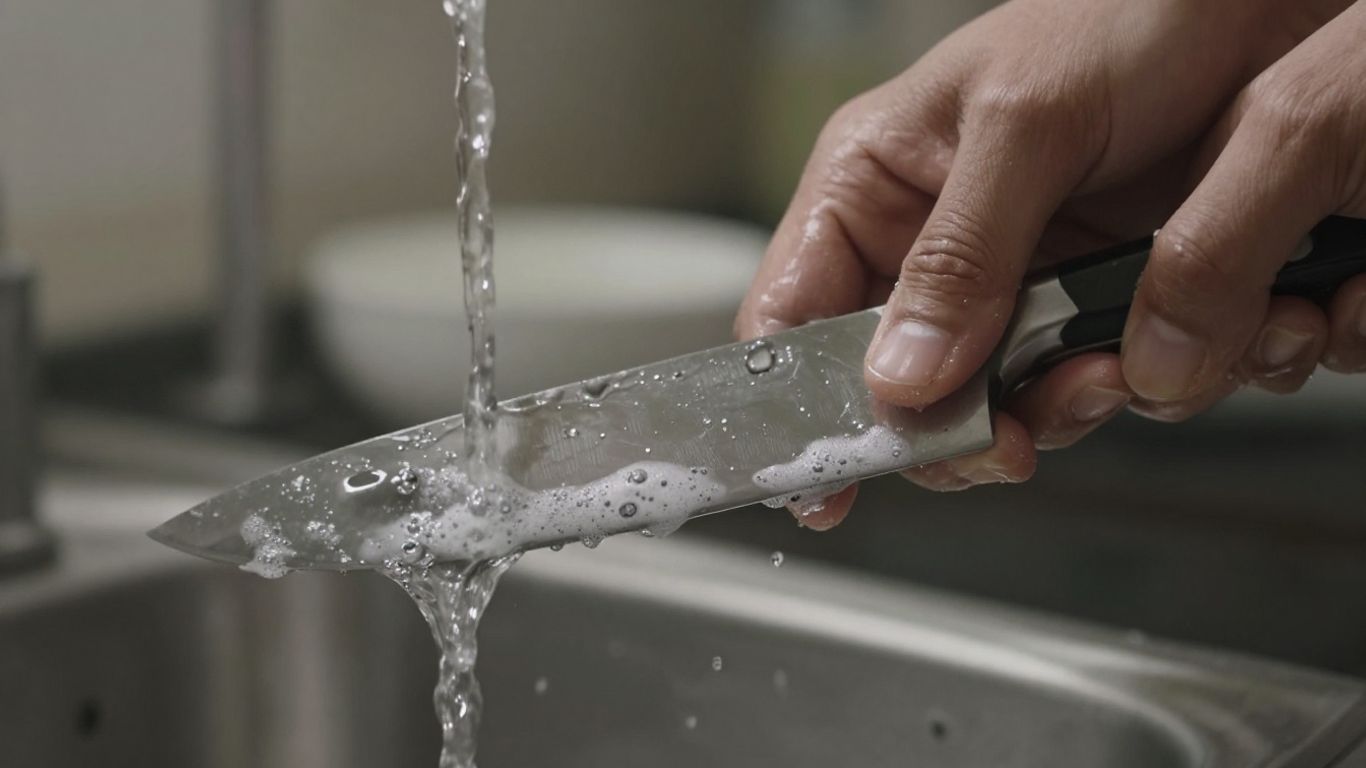
Different knives are made from different stuff, and how you treat them really depends on what they're made of. It’s not a one-size-fits-all deal when it comes to keeping your blades in good shape.
Caring For Stainless Steel Blades
Most kitchen knives you see are probably stainless steel. This is good news because it doesn't rust or get stained too easily. But that doesn't mean you can just toss them around. After you use a stainless steel knife, give it a quick wash with warm, soapy water and dry it right away. This stops any water spots or tiny bits of food from causing trouble over time. Even though it's "stainless," it's not completely immune to everything.
Diligence Required For Carbon Steel
Carbon steel knives are a bit more high-maintenance, but they can get super sharp and hold that edge really well. The catch? They can rust if you're not careful. After every single use, you absolutely have to wash and dry them thoroughly. Some people like to put a very thin layer of food-grade mineral oil on the blade after drying. This acts like a little shield against moisture. It might sound like a lot of work, but for a knife that stays sharp, it's often worth it.
Nurturing Wooden And Plastic Handles
Don't forget the handle! It's what you hold onto, after all. Wooden handles can dry out and crack if you don't give them a little love now and then. Rubbing them with a bit of mineral oil every so often keeps the wood looking good and prevents it from drying out. Plastic or composite handles are usually easier. A good wash with soap and water is usually all they need. Just make sure they're clean and dry, too, so they don't get slippery or start to break down.
Taking a moment to understand what your knife is made of will help you choose the right way to clean and care for it, making it last much longer.
Common Pitfalls To Avoid In Knife Maintenance
Even with the best intentions, it's easy to fall into habits that can shorten the life of your knives or even create safety hazards. Being aware of these common mistakes is the first step to avoiding them and keeping your blades in top shape.
The Danger Of Using Improper Cutting Surfaces
Think about it: your knife's edge is incredibly fine. When you use it on a surface that's too hard, like glass, ceramic, or even a metal countertop, you're essentially dulling or chipping away at that delicate edge with every cut. It’s like trying to slice a tomato with a butter knife – it just doesn't work well and can damage the tool. Always opt for softer materials like wood or plastic cutting boards. These surfaces are much kinder to your blades, helping to preserve their sharpness and integrity for longer. Choosing the right cutting board is a simple step that makes a big difference in knife care.
The Consequences Of Neglecting Regular Care
Skipping out on regular cleaning and maintenance might seem like a time-saver in the moment, but it often leads to bigger problems down the road. Food particles left on the blade can start to corrode the metal, especially on carbon steel knives, leading to rust spots. A dull knife, which is a common result of neglect, is actually more dangerous than a sharp one. You have to apply more pressure to cut through food, which increases the chances of your hand slipping and causing an injury. Plus, a neglected knife just doesn't perform as well, making your time in the kitchen less efficient and enjoyable.
Don't Overlook Handle Maintenance
We often focus so much on the blade itself that we forget about the handle. But the handle is just as important! A loose or damaged handle can be a safety risk, and it also affects how comfortably and securely you can grip the knife. Wooden handles, for instance, can dry out and crack if not cared for. A quick wipe-down with mineral oil now and then can keep them looking good and prevent damage. For plastic or composite handles, a simple wash is usually enough, but check for any signs of wear or looseness. Keeping the handle in good condition ensures you have a safe and steady grip every time you use your knife.
Integrating Safe Knife Cleaning Into Your Routine
So, you've got your knives cleaned, sharpened, and stored properly. That's awesome! But how do you keep it all going without it feeling like a chore? The trick is to build it into your regular kitchen habits. Think of it like brushing your teeth – you just do it because it's good for you. Making knife care a routine thing means your blades will stay in great shape for years, and you'll avoid those annoying little problems that pop up when things get neglected.
Establishing a Weekly Inspection Schedule
Once a week, maybe on a Sunday afternoon or a quiet moment after dinner, take a few minutes to look over your knives. Grab a clean towel and give each one a quick wipe-down. This isn't a deep clean, just a check-in. See if there's any gunk in the handle, if the blade looks okay, or if anything seems a bit off. It’s like a quick pit stop for your tools. This simple habit catches small issues before they become big headaches. You'd be surprised what you notice when you actually look.
The Value Of Monthly Sharpening
Sharpening doesn't need to happen every time you use a knife, but doing it about once a month makes a huge difference. How often you really need to sharpen depends on how much you cook and what you're cutting. If you're slicing and dicing daily, you might need to touch them up more often. But for most home cooks, a monthly sharpening session keeps things working smoothly. It’s better to sharpen a little bit regularly than to wait until the knife is totally dull and requires a lot more work.
Here’s a quick guide to sharpening frequency:
- Heavy Daily Use: Consider sharpening every 2-3 weeks.
- Moderate Weekly Use: Aim for sharpening once a month.
- Light or Occasional Use: Sharpen every 2-3 months, or when you notice a decline in performance.
Considering Seasonal Deep Maintenance
Beyond the weekly check-ins and monthly sharpening, think about doing a more thorough maintenance session maybe every three months, or seasonally. This is when you can really give your knives some TLC. For wooden handles, this might be the time to reapply mineral oil. For carbon steel blades, give them a good clean and a fresh coat of protective oil. It’s also a good time to check your knife block or magnetic strip for any dust or debris. This deeper clean helps protect your investment and keeps everything looking and working its best.
Making knife care a habit doesn't take much time, but it pays off big. It's about respecting your tools and making sure they're always ready for the job. A little attention goes a long way in keeping your knives sharp, safe, and looking good for years to come.
Wrapping It Up
So, there you have it. Taking care of your knives isn't some big, complicated chore. It's really just about a few simple habits – washing them by hand, drying them off right away, and giving them a little sharpening now and then. Doing these things means your knives will work better, stay safer, and last way longer. Think of it as treating your tools right, so they can keep doing their job well for you, whether you're chopping veggies for dinner or out on an adventure. It’s a small effort that makes a big difference in the long run.
Frequently Asked Questions
Why shouldn't I put my knives in the dishwasher?
Dishwashers are tough on knives! The hot water and harsh detergents can dull the blade, damage the handle, and even cause rust. It's much better to wash them by hand with warm, soapy water.
How often should I sharpen my knives?
It really depends on how much you use them. If you cook a lot, you might need to sharpen them every month or so. A good rule of thumb is to sharpen them when you notice they aren't cutting as easily as they used to.
What's the difference between honing and sharpening?
Think of honing as straightening out a tiny, bent edge on your knife, while sharpening is like grinding away metal to make a whole new sharp edge. Honing keeps a sharp knife sharp, and you can do it more often. Sharpening actually reshapes the blade and should be done less frequently.
How should I store my knives safely?
Avoid just tossing them in a drawer! Use a knife block, a magnetic strip on the wall, or individual blade guards. This protects the sharp edges from getting damaged and keeps you from accidentally cutting yourself.
Do different knife materials need different care?
Yes, they do! Stainless steel is pretty easy to care for, but carbon steel needs a bit more attention to prevent rust, like wiping it dry right away and maybe a light oiling. Wooden handles might need a little oil too, while plastic ones are usually simple to clean.
What's the biggest mistake people make when caring for knives?
A common mistake is using the wrong cutting surface, like glass or hard plastic, which dulls the blade quickly. Another big one is not cleaning and drying them properly after use, which can lead to rust and damage.


