
Mastering the Art of Storing Collectible Knives: Essential Tips for Preservation
by Marco Castro on Feb 17, 2026

So, you've got a collection of knives that you really care about. That's awesome! Keeping them in good shape is almost as much fun as finding them. Whether they're for show or for actual use, taking care of your blades means they'll look good and work well. Let's talk about how to keep those collectible knives in the best condition possible, from where you keep them to how you clean them.
Key Takeaways
- Keep your knives in a stable environment, avoiding big swings in heat and moisture. A dry, cool spot is best for storing collectible knives.
- Always clean your knives after you use them. Then, put a light coat of oil on the blade to stop rust before you put them away.
- Learn the difference between sharpening and honing. Honing straightens the blade, while sharpening actually removes metal to create a new edge. Do both regularly.
- Never store your knives in their sheaths for long periods. This traps moisture and can cause rust. Use blade guards or sleeves instead, and let the blades breathe.
- Think about how you display your knives. Shadow boxes, wall mounts, or cabinets can protect them while showing them off. Make sure they're not exposed to too much light or dust.
Creating The Ideal Environment For Storing Collectible Knives
When it comes to keeping your collectible knives in top shape, the environment where you store them plays a bigger role than you might think. It's not just about tossing them in a drawer; controlling the conditions can make a real difference in preventing damage and preserving their value.
Understanding Humidity's Impact
Humidity is a knife's quiet enemy. Too much moisture in the air can lead to rust and corrosion, especially on carbon steel blades. Even stainless steel isn't completely immune over time. On the flip side, very dry air can cause wooden handles to shrink and crack, which is also not ideal.
The sweet spot for storing knives is generally between 45% and 55% relative humidity. This range helps keep both the metal and any organic handle materials stable.
To manage humidity, consider using silica gel packets in your storage containers or a small dehumidifier if you're storing a large collection in a specific room. Regularly checking the humidity with a simple hygrometer is a good idea.
Managing Temperature Fluctuations
Just like humidity, drastic changes in temperature aren't good for your knives. Extreme heat can potentially affect glues used in handle construction, and rapid temperature shifts can cause condensation to form on the metal surfaces, leading to rust. It's best to keep your knives in a place with a stable temperature.
Avoid storing them in attics, basements, or garages where temperatures can swing wildly throughout the day and year. A climate-controlled room in your home is usually the best bet. Think of it like storing fine art or photographs – stability is key.
Choosing A Dedicated Storage Space
Giving your knives their own dedicated spot is a smart move. This means keeping them away from areas where they might be exposed to chemicals, excessive dust, or accidental damage. A clean, dry closet, a sturdy toolbox, or a display cabinet can all work well.
- Toolboxes or Chests: These offer good protection and can be easily moved. Look for ones with drawers that can be lined to prevent scratching.
- Display Cabinets: If you want to show off your collection, a cabinet with glass doors can protect knives from dust while keeping them visible. Make sure the cabinet itself is in a stable environment.
- Knife Rolls or Cases: For individual knives or smaller collections, specialized rolls or cases provide padding and protection, especially if you need to transport them. Proper knife care ensures longevity, performance, and safety. Hand wash knives with mild soap and warm water immediately after use, then dry them thoroughly to prevent rust and corrosion.
Whatever space you choose, make sure it's organized so you can easily access your knives without bumping them against each other. This prevents nicks and scratches on both the blades and handles.
Essential Cleaning And Lubrication For Knife Preservation
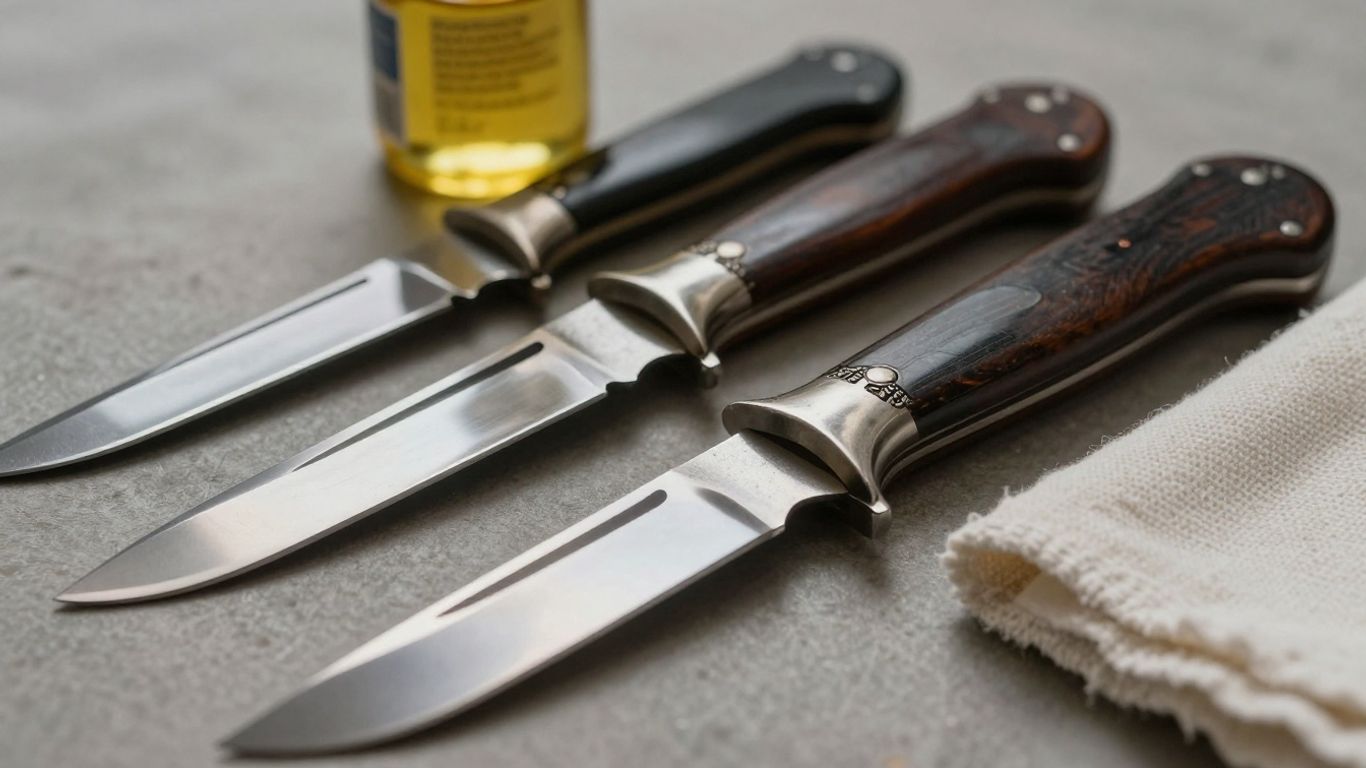
Keeping your collectible knives in top shape means more than just admiring them. Regular cleaning and a bit of lubrication go a long way in preventing damage and keeping them looking their best. It’s not complicated, but doing it right makes a big difference.
Thorough Cleaning After Each Use
Think of cleaning your knife after each use like brushing your teeth. You wouldn't want food particles or gunk sitting around, right? The same applies to your knives. Even if you only used it for a light task, residue can build up. This stuff can be acidic or just plain sticky, and over time, it can start to affect the blade or handle materials.
Here’s a simple way to handle it:
- Wipe it down: Grab a soft, clean cloth. For most everyday grime, a damp cloth with a little bit of mild soap is perfect. Gently wipe the blade and handle.
- Rinse if needed: If you used soap, give it a quick rinse under warm water. Don't soak the knife, though.
- Dry it completely: This is super important. Use a dry, soft cloth to get every bit of moisture off. Pay attention to the pivot area and any nooks where water can hide. Leaving a knife wet is a fast track to rust, especially on carbon steel blades.
Never put your collectible knives in a dishwasher. The heat, harsh detergents, and jostling can cause serious damage to the blade, handle, and any delicate parts.
Applying Protective Lubrication
Once your knife is clean and bone dry, it’s time for a little protection. This step is all about creating a barrier against the elements, particularly moisture.
- Choose your protectant: For most knives, a light coat of a quality knife-specific oil or a good paste wax works well. Renaissance Wax is a popular choice for collectors because it offers good protection without attracting too much dust. Avoid using just any household oil; some can attract dirt or even degrade certain handle materials over time.
- Apply sparingly: You don't need much. Put a tiny drop of oil or a small amount of wax on a clean cloth and spread a thin, even layer over the blade. Make sure to cover the entire surface, including the flats and the edge (but not the very sharp part itself, unless you're preparing it for long-term storage).
- Work it in: Gently rub the oil or wax into the blade and handle. For handles, especially wood, this also helps keep them conditioned.
Choosing The Right Cleaning Solutions
When it comes to cleaning, less is often more. You want to remove debris without damaging the knife's materials.
- Mild soap and water: This is your go-to for general cleaning. It's effective and safe for most knives.
- Mineral spirits: For tougher residues like sap or sticky adhesives, mineral spirits can be helpful. Apply it to a cloth and wipe the affected area. Be sure to clean the blade with mild soap and water afterward to remove any mineral spirit residue.
- Specialized polishes (use with caution): For metal parts like bolsters or guards, you might consider a metal polish like Simichrome or Flitz. These contain very fine abrasives that can restore shine. However, use them sparingly and know that they can slightly abrade the metal over time. They are not protectants themselves, so always follow up with a light coat of wax for protection after polishing.
Remember, the goal is to keep your knives clean and protected, not to strip away their original finish or character. Gentle, consistent care is the best approach.
Mastering The Art Of Sharpening And Honing
Keeping your collectible knives sharp isn't just about making them cut better; it's about maintaining their integrity and appearance. A well-maintained edge looks good and is actually safer to use than a dull one, which can slip unexpectedly. This section will help you understand the difference between sharpening and honing, and how to do both properly.
Distinguishing Between Honing And Sharpening
It's easy to mix up honing and sharpening, but they're quite different. Honing is like a tune-up for your blade's edge. Over time, the microscopic teeth on the edge of your knife get bent out of alignment. Honing uses a rod or a stone to gently realign these teeth, making the knife feel sharp again without removing much metal. Sharpening, on the other hand, actually removes metal from the blade to create a new, sharp edge. You'll need to sharpen a knife when honing alone isn't enough to bring back its cutting ability.
Think of it this way: honing straightens a bent wire, while sharpening grinds down a dull piece of metal to make it sharp again.
Techniques For Sharpening Your Blades
Sharpening a knife involves using an abrasive material, like a sharpening stone, to grind away metal and form a new edge. For collectors, using stones is often preferred because it gives you more control and is less aggressive than powered sharpeners, which can overheat the blade. You'll typically need at least two different grits of stone: a coarser one to establish the edge and a finer one to refine it.
Here's a basic approach:
- Set the Angle: Find a consistent angle for your knife. For many knives, 20 degrees per side is a good starting point.
- Use the Coarse Stone: Start with the coarser grit stone. Hold the knife at your chosen angle and make smooth, even strokes across the stone, moving from heel to tip. Flip the knife and repeat on the other side.
- Switch to the Fine Stone: Once you've established an edge on the coarse stone, switch to the finer grit. Repeat the same process to polish and refine the edge.
- Test and Refine: Carefully test the sharpness. You might need a few more passes on the fine stone to get it just right.
The Role Of Honing Compounds And Stropping
After sharpening, the edge might have microscopic burrs or feel a bit rough. This is where honing compounds and stropping come in. A honing compound is a paste, often containing very fine abrasive particles, that you apply to a strop (usually made of leather).
Stropping with a compound helps to:
- Polish the Edge: It smooths out the very fine scratches left by the sharpening stone.
- Remove the Burr: It helps to remove any remaining microscopic metal burr from the edge.
- Align the Edge: It further refines the alignment of the microscopic teeth.
Using a strop after sharpening can make a noticeable difference, giving your blade a razor-sharp, polished finish. It's a final step that really brings out the best in your knife's edge.
Protective Measures For Storing Collectible Knives
When it comes to keeping your collectible knives in top shape, how you store them is a big deal. It's not just about putting them away; it's about actively protecting them from things that can cause damage over time. Let's talk about some smart ways to do this.
The Dangers Of Storing Knives In Sheaths
This is a big one, and it's something a lot of collectors learn the hard way. Storing your knife directly in its sheath for long periods is a recipe for trouble. Think about it: sheaths, whether they're leather or even Kydex, can trap moisture. Over time, this trapped moisture, combined with changes in temperature, can lead to rust spots forming on the blade. Even stainless steel isn't completely immune to corrosion, especially high-carbon varieties. The blade needs to be able to breathe, meaning it needs access to dry air. When it's sealed away in a sheath, that air can't get to it, and condensation can form, creating a perfect environment for rust to take hold. This can ruin even the most beautiful finishes.
Always store your knives with their sheaths, not in them, for long-term preservation. The sheath should be kept nearby, but the blade needs to be exposed to air.
Utilizing Blade Guards And Sleeves
So, if not the sheath, then what? Blade guards and sleeves are your best friends here. These are separate protective coverings designed specifically to shield the blade's edge. They serve a couple of purposes. First, they protect the sharp edge from getting dinged or damaged while the knife is being stored. Second, and just as importantly, they offer a layer of protection against accidental scratches or nicks on the blade itself. They're a simple, effective way to add a barrier between your valuable blade and the outside world, without trapping moisture like a sheath can.
Ensuring Blades Can Breathe
This ties back to the sheath issue. The core idea is that your knife's blade needs air circulation. Storing knives in a dry, cool environment is key, but within that environment, allowing air to reach the blade is just as important. This means avoiding sealed containers where moisture can build up. If you're storing knives for a very long time, consider using a desiccant pack (like those silica gel packets you find in new products) inside a sealed plastic bag, but keep the knife separate from the sheath within that bag. This way, the desiccant can absorb any ambient moisture, and the blade still has some air movement around it, preventing that damaging condensation from forming.
Here's a quick rundown of what to aim for:
- Airflow: Make sure the storage area allows for some air circulation.
- Dryness: Keep the environment as dry as possible. Consider using dehumidifiers or silica gel packs for enclosed spaces.
- Separation: Keep blades separate from sheaths, especially for long-term storage.
- Protection: Use individual blade guards or sleeves when not in use.
Displaying Your Collection With Care
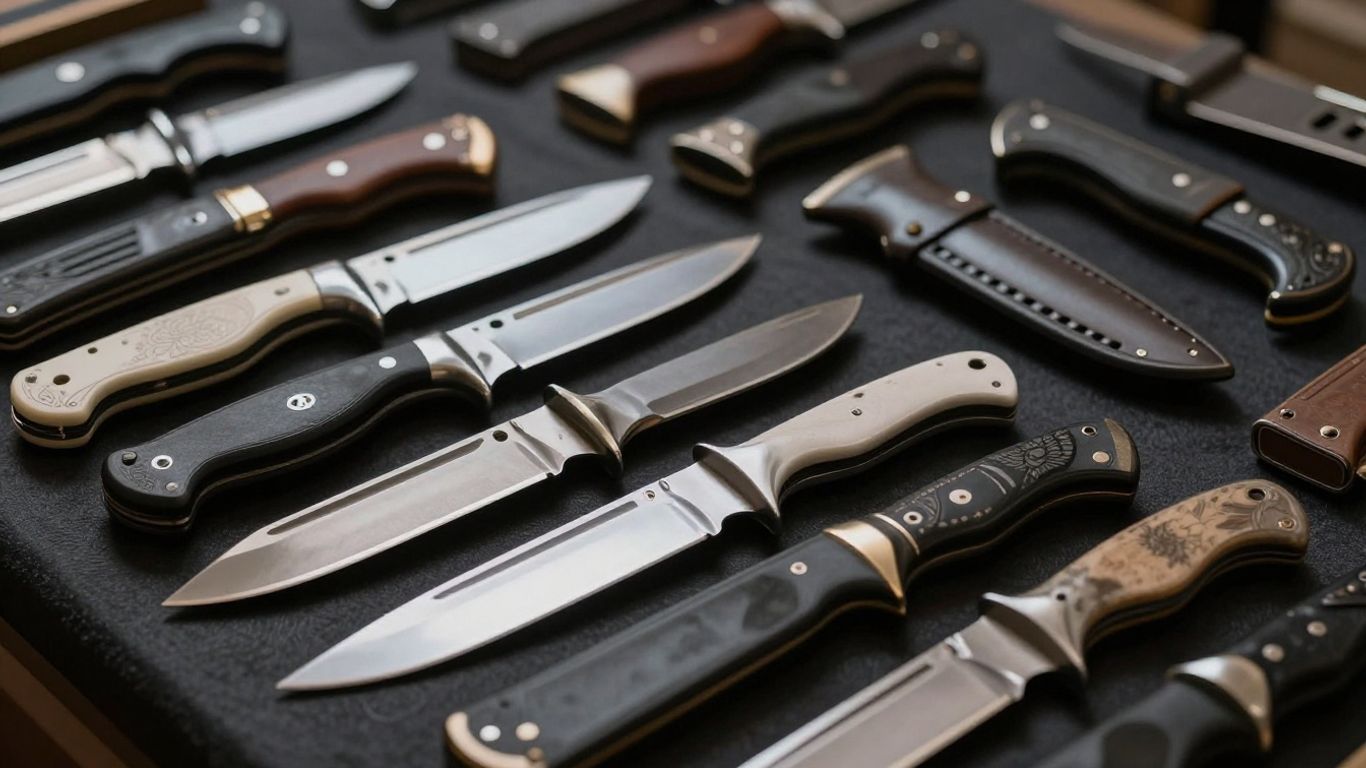
Showing off your knife collection can be really rewarding. It's a way to share your passion and let others appreciate the artistry and history behind each piece. But, it's not just about looks; how you display them matters for their preservation too. You want to strike a balance between making them visible and keeping them safe from harm.
Showcasing Knives in Shadow Boxes
Shadow boxes are a fantastic way to protect your knives while still letting them be seen. They create a contained environment, shielding the blades from dust and accidental bumps. This is especially good for knives with delicate handles or intricate details that you don't want to risk damaging.
- Protection from Dust: The sealed nature of a shadow box keeps dust from settling on your knives, which can be a real pain to clean off later.
- Visual Appeal: You can arrange knives artfully inside, creating a mini-exhibit that looks great on a wall.
- Handling Reduction: Once they're in the box, you don't need to handle them as much, cutting down on the risk of fingerprints or accidental drops.
Utilizing Wall Mounts and Cabinets
For larger collections or if you prefer a more open display, wall mounts and cabinets are excellent options. Wall mounts keep your knives accessible and can turn them into a decorative feature in your room. Cabinets, on the other hand, offer more protection from the environment and curious hands.
- Wall Mounts: These can range from simple magnetic strips to custom-made racks. They keep knives visible and easy to grab for inspection or cleaning.
- Glass Cabinets: These are great for keeping dust and humidity more controlled. Look for cabinets with good seals and consider adding a desiccant pack inside to manage moisture levels.
When choosing a display method, always think about the long-term health of your knives. What looks good today shouldn't compromise their condition tomorrow.
Creating a Dedicated Display Area
No matter how you choose to display your knives, having a dedicated space is key. This area should be away from direct sunlight, heat sources, and high-traffic zones where they could be knocked over. Think about a quiet corner of a study or a well-lit display case in a living area. This focused approach not only makes your collection a talking point but also helps you keep a closer eye on their condition, making it easier to spot any potential issues early on.
Addressing Rust And Corrosion
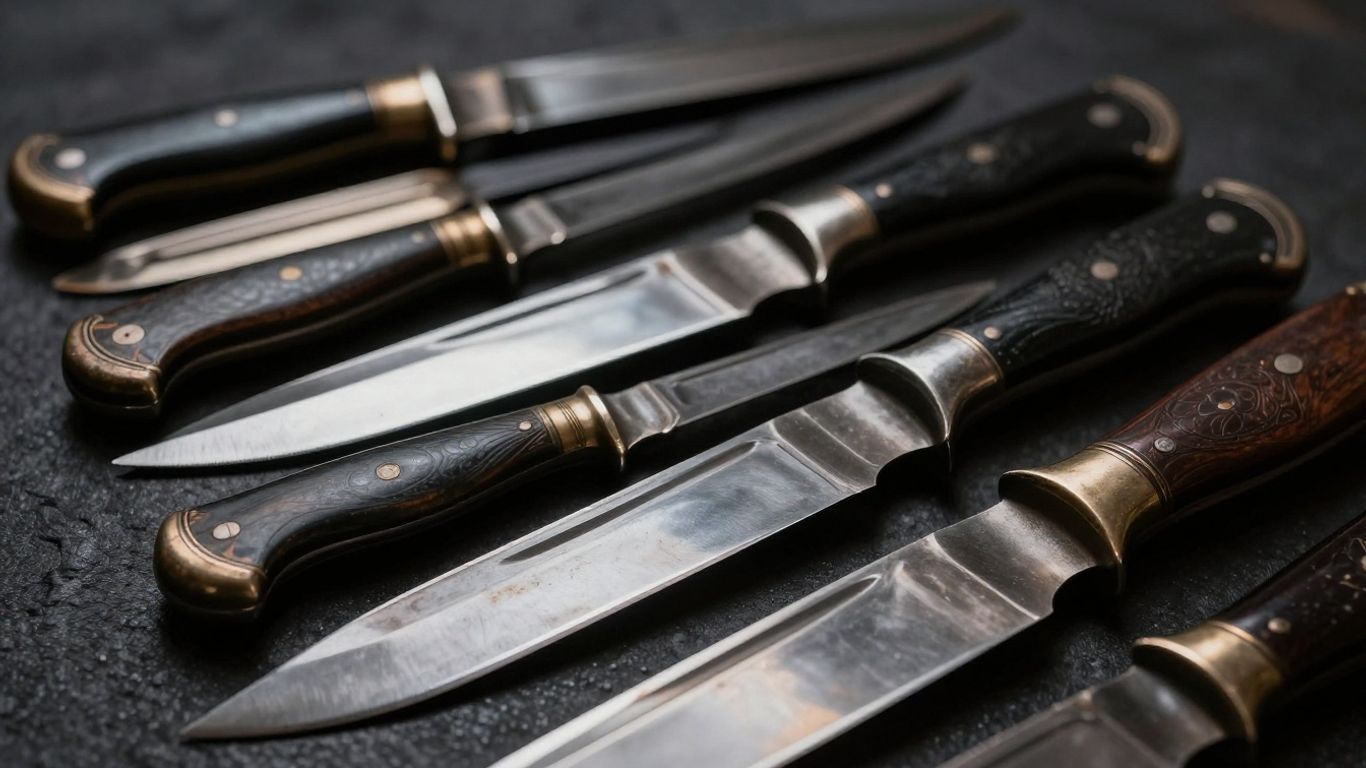
Rust and corrosion are the silent enemies of any collectible knife. Even knives made from stainless steel aren't completely immune. High-carbon stainless steels, often used for their superior cutting edge, can still develop spots of rust if not cared for properly. It's a common issue, especially if a knife has been stored improperly for a long time.
Identifying Early Signs of Rust
Spotting rust early is key to preventing it from causing permanent damage. Look for small, reddish-brown spots or a general dulling of the blade's surface. These often appear in areas where moisture has been trapped. Sometimes, you might notice a slight discoloration or a rough texture developing on the steel. Don't ignore these signs; they're your knife's way of telling you it needs attention.
Effective Rust Removal Techniques
Removing rust requires a gentle but firm approach. The goal is to get rid of the rust without damaging the underlying metal or any special finishes on your blade. For light rust, a soft cloth with a bit of mineral oil can often do the trick. If the rust is a bit more stubborn, you might need to use a fine-grade abrasive pad or even some very fine steel wool, always working in the direction of the blade's grain. After removing the rust, it's vital to clean the blade thoroughly with a solvent like mineral spirits to remove any residue from the rust remover and the abrasive. This step is critical before applying any protective coatings.
It's important to remember that even stainless steels can corrode. While they offer better resistance than non-stainless options, they are not entirely rust-proof. Proper care and attention are always necessary.
Preventative Measures For Long-Term Protection
Prevention is always better than cure when it comes to rust. The most common mistake is storing knives in their sheaths for extended periods. This traps moisture against the blade, creating a perfect environment for rust to form, regardless of the sheath material. Always allow your blades to "breathe" by storing them in open-air environments like knife blocks or display cases. Regular cleaning and drying after use, followed by a thin coat of protective oil or wax, are your best defenses. For specific materials and finishes, different approaches might be needed, as shown in the table below:
| Material | Finish | Treated | Condition | Care |
|---|---|---|---|---|
| Stainless Steel | Mirror or Satin | None | Excellent to Good | Clean, then Wax only |
| Stainless Steel | Mirror or Satin | None | Fair to Poor | Clean, then Simichrome®, clean, then Wax |
| Stainless Steel | Media (Bead) | None | Excellent to Good | Clean, then Wax only |
| Non-Stainless | Mirror, Satin | None | Excellent to Good | Clean, then Wax only |
| Non-Stainless | Mirror, Satin | None | Fair to Poor | Clean, then Simichrome®, clean, then Wax |
Choosing the right protective oil or wax for your knife's material is also a smart move. This creates a barrier that helps repel moisture, keeping your prized collectibles safe from the damaging effects of corrosion.
Wrapping It Up: Keeping Your Collection Pristine
So, there you have it. Taking care of your collectible knives isn't some big, scary ordeal. It's really about a few simple habits: keeping them clean, making sure they're dry, and storing them somewhere sensible. Whether you're displaying them on a wall or tucked away safely, a little bit of attention goes a long way. By following these tips, you'll not only keep your knives looking great but also make sure they're ready for whatever you might need them for, or just to admire for years to come. Happy collecting!
Frequently Asked Questions
Why is it bad to store knives in their sheaths?
Storing knives in their sheaths for long periods is a big no-no. It traps moisture, which can cause rust spots to form on the blade, even if the sheath is made of leather or kydex. The blade needs to be able to 'breathe' with dry air to stay rust-free.
What's the difference between honing and sharpening a knife?
Honing straightens out the tiny bends in a knife's edge, kind of like combing tangled hair. It doesn't actually remove metal. Sharpening, on the other hand, removes metal to create a new, sharp edge. Think of honing as maintenance and sharpening as repair.
How often should I sharpen my collectible knives?
If your knives are just for display, you might rarely need to sharpen them. But if you use them, sharpen them when they start to feel dull. A simple test is to see if they can easily slice through a piece of paper. If it struggles, it's time for a touch-up.
What are the best ways to protect my knives from rust?
The best defense against rust is keeping your knives clean and dry. After cleaning, apply a thin layer of mineral oil or a special rust-preventing oil to the blade. This creates a barrier against moisture. Also, store them in a dry, cool place, not in humid areas.
Should I worry about temperature and humidity when storing knives?
Absolutely! High humidity can encourage rust, while very low humidity might cause wooden handles to crack. Big temperature swings can also be bad. Aim for a steady, cool, and dry environment for your collection to keep everything in good shape.
What's the best way to clean my knives?
Clean your knives gently after each use. Use a soft cloth or paper towel, maybe with a little mild soap and warm water, or mineral spirits for tougher grime. Make sure to dry them completely right away to stop any rust from forming.


