
Handmade vs Machine Knives: Decoding the Craftsmanship and Performance
by Marco Castro on Feb 18, 2026

So, you're wondering about knives, huh? There's a big difference between a knife someone made by hand and one that rolls off an assembly line. It's not just about how they look, but how they work, how they feel, and honestly, how much you connect with them. We're going to break down what makes each type tick, looking at the materials, the design, and what you actually get for your money. Whether you're a seasoned pro or just need something sharp for the kitchen, understanding the handmade vs machine knives debate is pretty interesting.
Key Takeaways
- Handmade knives are often seen as art, with unique materials and personal touches that machine knives can't replicate.
- Machine-made knives offer precision and consistency, making them reliable for everyday tasks.
- The type of steel and how it's treated really matters for how well a knife holds an edge and resists damage.
- Both handmade and machine knives can be designed for comfort and good looks, but the focus might differ.
- When it comes to value, handmade knives are an investment in craft, while machine knives are about practical performance for regular use.
The Artistry Behind Handmade Knives
Handmade knives are more than just tools; they're pieces of art. Each one tells a story, shaped by the hands and vision of a skilled artisan. Unlike mass-produced items, these knives carry a unique character, a testament to the time and care poured into their creation. It's this personal touch that truly sets them apart.
A Symphony Of Materials And Skill
Creating a handmade knife is a complex dance between raw materials and honed abilities. The maker carefully selects steel, often choosing specific alloys for their unique properties. Then comes the forging, shaping the metal with heat and hammer blows. This isn't just about making a shape; it's about controlling the steel's internal structure, its grain, to build strength and resilience. The process demands a deep knowledge of metallurgy and a steady hand, turning a simple piece of metal into something extraordinary. It's a craft passed down through generations, refined with every strike.
Personal Expression In Every Blade
What makes a handmade knife truly special is the individuality it embodies. Artisans often pour their own style and preferences into their work. This can be seen in the subtle curves of the blade, the unique patterns in the steel, or the choice of handle materials. Some makers even take custom orders, allowing buyers to influence the design, creating a knife that perfectly fits their hand and their aesthetic. It’s like commissioning a piece of functional art that’s made just for you. This level of personalization is something you just don't find with factory-made items. It's about creating a connection between the maker, the user, and the object itself.
The Emotional Connection To A Tool
There's a certain feeling that comes with owning and using a handmade knife. It’s more than just its sharpness or its durability; it’s the connection you feel to the person who made it. You can almost sense the hours of work, the dedication, and the passion that went into its creation. This connection can transform a simple kitchen task into a more enjoyable experience. For many, a well-made handmade knife becomes a trusted companion, a tool that feels like an extension of oneself. It’s a reminder that even everyday objects can hold beauty and meaning, much like a luxury knife can transform your cooking.
Owning a handmade knife is like holding a piece of history and artistry in your hand. It’s a tangible link to a craft that values skill, patience, and individual expression above all else.
Exploring The Craftsmanship Of Machine-Made Knives
Precision Engineering For Performance
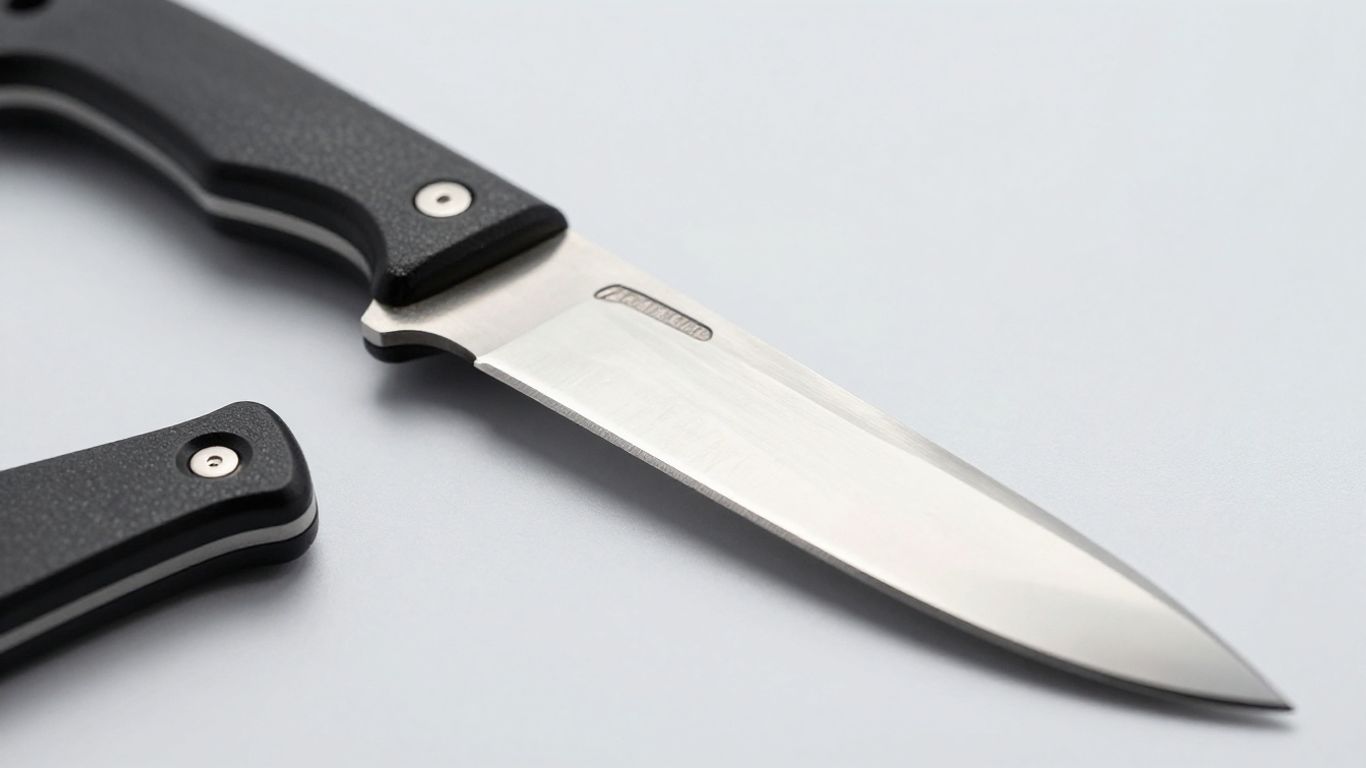
When you pick up a machine-made knife, you're holding something that came out of a flawless production process. These knives are built with incredibly tight tolerances, thanks to advanced machinery and computer-guided controls. Every angle, bevel, and edge on the blade is shaped exactly as intended, over and over again. This level of precision means these knives perform predictably, whether you're slicing tomatoes or breaking down a roast.
Here's what sets precision engineering apart:
- Computer Numeric Control (CNC) machines grind and shape blades with minute accuracy
- Automated heat treatment ensures consistent hardness throughout batches
- Laser-guided measuring tools eliminate slight variations between knives
Consistency And Reliability In Production
One of the big things about machine-made knives is that you know what you're getting. Pick one model off the shelf and it'll be basically the same as the next. It doesn't matter if you bought it last week or a year ago—consistency is the main promise here, which some professional chefs and home cooks really appreciate for their day-to-day cutting.
How do companies achieve this level of reliability?
- Automated assembly lines that cut out the guesswork
- Standardized quality checks at every stage
- Easy-to-replicate designs that translate perfectly to mass production
| Feature | Machine-Made Knife | Handmade Knife |
|---|---|---|
| Uniformity | Very high | Varies by maker |
| Quality Control | Systematic, measurable | Artisan judgment |
| Speed of Production | Fast | Slow |
The Role Of Modern Technology
Tech has totally changed how knives get made. Robots don't get tired. Sensors catch possible flaws before assembly finishes. Materials can be tested at a micro level to catch weak spots you wouldn't see by eye. With all the new gadgets and software, companies can keep prices lower and make lots of knives quickly while holding onto good quality.
Key technology-driven improvements include:
- Automated blade grinding and polishing
- Real-time defect detection for higher safety
- Digital design files for quick product updates
While machine-made knives might lack that personal touch, they're built to be reliable, sharp, and ready for action in most kitchens. It's all about making practical, high-performing tools that anyone can count on.
Understanding The Metallurgy And Materials
When it comes to knives—whether handmade or machine-produced—the quality and performance all start with the steel. This is where science and tradition mingle, and the little choices behind the scenes make a big difference on your cutting board day after day. In this section, we’ll look at what’s really going on inside that blade: how the steel grain works, what gets added to beef up performance, and how to pick the right material for what you need.
Steel's Grain: A Foundation Of Strength
At its heart, a knife blade is just steel. But how that steel is formed and the size of its grains can totally change how the knife behaves. Grain is basically the structure of the steel at a microscopic level. Fine grain means a blade will likely be tougher and keep an edge longer. Larger grains can make a blade brittle—or at least more likely to chip. The forging process matters: when steel gets hammered and heated, those grains are packed tighter, which is why forged knives often land at the top when it comes to strength and edge retention. On the flip side, if a knife is just stamped from a sheet, it might be easier to mass-produce but won't always have that same sturdy feel.
The Impact Of Alloying Elements
Steel isn’t just iron. Makers toss in different elements to give the blade specific strengths. Here are some common alloying ingredients and what they do:
- Carbon: Boosts hardness and sharpness, but too much means more chance of rust.
- Chromium: Adds rust-resistance, which is great for busy kitchens.
- Tungsten: Helps blades hold a sharp edge and resist wear over time—professional chefs love this for intense, daily use.
- Vanadium: Packs in extra toughness and makes blades less likely to chip. It’s why those high-end knives just seem to last longer.
- Molybdenum: Promotes durability and corrosion resistance, which is handy in stainless steel blends.
Here’s a quick comparison table for context:
| Element | Main Benefit | Downside/Note |
|---|---|---|
| Carbon | Hardness/sharpness | Can rust easily |
| Chromium | Fights corrosion | Too much, less sharp |
| Tungsten | Edge retention, wear | Higher price, rare in budget knives |
| Vanadium | Toughness, chip resistance | Can be difficult to sharpen |
| Molybdenum | Durability, anti-rust | Often paired with other elements |
Choosing The Right Steel For The Job
Not all steels fit every situation. What’s great for a professional chef facing a lunch rush might not make sense for someone slicing vegetables at home once a week. Here’s how to think it over:
- Everyday cooks: Stainless steels like VG10 shine here, with a good mix of sharpness and rust-resistance. Easy to maintain.
- Knife enthusiasts or pros: Look for high-carbon or special alloy steels that hold an edge longer, even if they need a bit more maintenance.
- Collectors: Traditional steels such as tamahagane are prized not only for cutting ability but for the true craft they represent.
The perfect steel is the one that matches how you cook, how much attention you give your tools, and the feeling you want every time you pick up your knife.
The metallurgy under the surface might seem technical but, in the end, it determines how your knife feels in your hand and how much joy you get from every slice.
The Ergonomics And Aesthetics Of Knife Design
Balance And Weight For Optimal Use
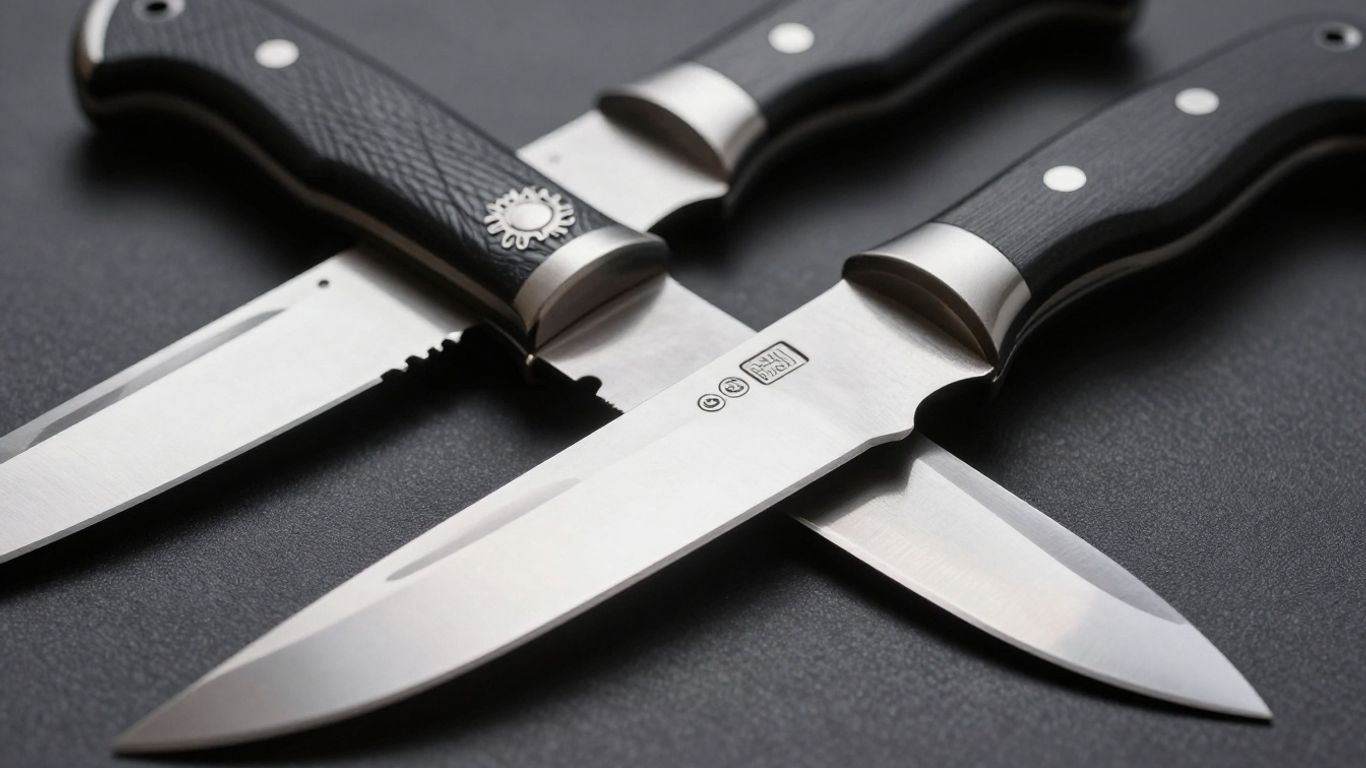
When you pick up a knife, how does it feel? That's ergonomics in action. It's all about how the knife fits your hand and how it behaves when you use it. A well-balanced knife feels like an extension of your arm, not a clumsy tool. The weight distribution is key here. Some people prefer a knife that feels a bit heavier, giving it a solid presence in the hand. Others like something lighter, feeling more nimble. It really comes down to personal preference and what feels right for the tasks you'll be doing.
Think about chopping vegetables versus slicing delicate fish. For chopping, a bit more weight towards the blade can help power through. For fine slicing, a more neutral balance might be better, giving you more control. It’s a subtle thing, but it makes a huge difference in how comfortable and effective a knife is to use over time. A knife that feels good in your hand just makes the whole experience better.
Handle Materials: Form Meets Function
The handle is where the knife meets your hand, so it needs to be both comfortable and secure. There's a huge variety of materials out there, each with its own pros and cons. Wood is a classic choice, offering a warm feel and a beautiful look. Different woods have different grains and densities, affecting both the grip and the appearance. Then you have synthetic materials, like G10 or Micarta, which are known for being super durable and resistant to moisture and wear. They often provide a very consistent grip, even when wet.
Some makers get really creative with handle materials, using things like bone, horn, or even colorful resins. These can make a knife really stand out visually. But beyond looks, think about how the handle feels. Does it have enough texture to prevent slipping? Is it shaped to fit your hand without causing hot spots after a while? These are the questions that separate a good handle from a great one.
The Visual Appeal Of A Well-Crafted Knife
Let's be honest, we eat with our eyes first, and that applies to our tools too. A knife that looks good just feels better to use. It’s not just about being pretty; it’s about the care and attention to detail that goes into its creation. You can often see the maker's personality in the design, from the shape of the blade to the finish on the handle.
Things like the polish on the blade, the way the handle scales are fitted, or even subtle details like decorative pins can really make a knife special. It’s the sum of these parts that creates a knife that’s not just functional but also a pleasure to look at. It’s a tool, sure, but it can also be a piece of art that you use every day.
Durability And Longevity: A Comparative Look
When we talk about knives, the first thing most folks want to know is how long they’ll last and how tough they really are. Both handmade and machine-made knives have their advantages and quirks. Let’s break it down and get into the real differences, especially when it comes to staying sharp, resisting damage, and holding up over the years.
Edge Retention And Sharpening
The ability of a knife to keep its edge—and how often you need to sharpen it—depends heavily on the steel and the way it’s made. Here’s a quick look:
| Type | Typical Steel Used | Edge Retention | Sharpening Ease |
|---|---|---|---|
| Handmade | High-carbon, custom | Often excellent | Can be tricky |
| Machine | Stainless, mid-grade | Consistent, moderate | Usually easier |
- Handmade knives usually use high-carbon or custom steel, which can keep a sharp edge impressively long but might need special sharpening tools or skills.
- Machine-made knives tend to offer a bit more user-friendliness for sharpening, but the blade might dull a touch faster, depending on the steel quality.
- The hardness of the steel is often balanced with some toughness, so highly hard steels might chip or be stubborn to sharpen, while softer steels are less sharp but much easier to keep tuned up.
Resistance To Wear And Corrosion
How well a knife stands up to the abuse of daily use—think chopping, slicing, and washing—often comes down to more than just the steel. Coatings matter, as does the actual manufacturing process.
- Many mass-produced knives use stainless steels or add coatings like titanium. This can really help fight rust and staining, especially if you’re likely to leave your knife wet now and then.
- Handmade knives sometimes skip coatings, but traditional crafting methods can still offer great corrosion resistance, depending on the maker’s choice of materials.
- Machine-made knives often win when it comes to uniformity. Each blade gets the same treatment, so performance is predictable. Handmade blades, while often tougher, may need more attention or special care to avoid rust.
Building A Knife That Lasts
What makes a knife a long-term companion comes down to these key things:
- Heat Treatment: Properly treated steel—whether by hand or machine—makes a world of difference. It’s responsible for that sweet spot between hard and tough.
- Fit and Finish: Handmade knives might show a little more personality (sometimes even the odd imperfection), but their build can be incredibly robust. Machine-made knives are ultra-consistent, with tight tolerances that help parts stay snug for years.
- Maintenance Demands: Handmade knives often need a dose of extra care; think hand-washing, careful drying, and sometimes oiling. Machine knives are usually more forgiving but can feel a little soulless.
A well-maintained knife—regardless of how it was made—will often serve you faithfully for decades. The trick is finding the balance between daily convenience and the kind of quality that might just last a lifetime.
Quick Checklist for Long Knife Life
- Regular cleaning and careful storage
- Using the right sharpening tools for your blade type
- Avoiding twisting or prying with your knife
- Addressing chips or rust early before they spread
In the end, the question isn’t just about which type lasts longer. It’s whether you want a tool that’s low maintenance and always the same, or one with a bit more personality and craft, even if it needs extra love along the way.
The Value Proposition: Handmade Vs Machine
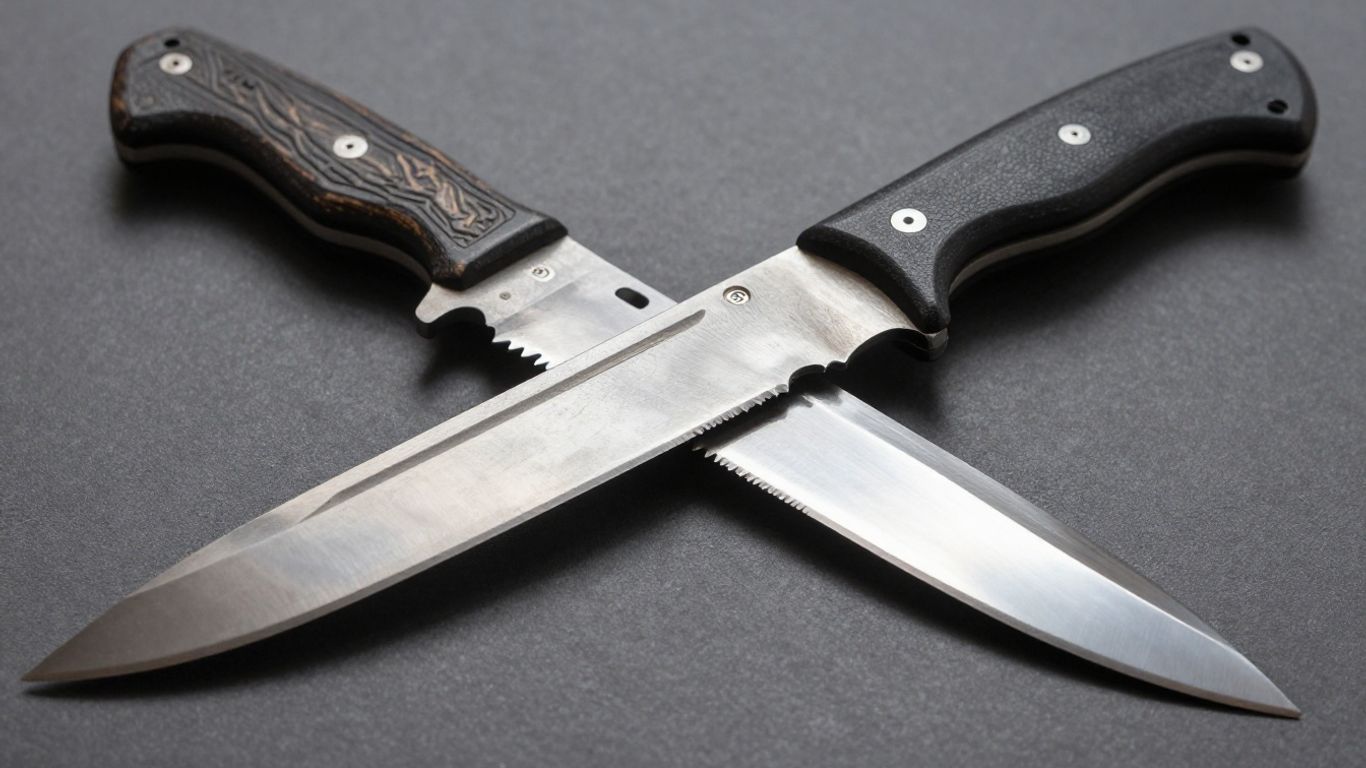
When you’re looking at knives, it’s easy to get caught up in looks or maybe just the price tag. But when you take a step back and really think about what you’re getting for your money, handmade and machine-made knives bring totally different stories to the table. Let’s break down what makes each type worth considering.
Investment In Craftsmanship
Handmade knives often cost more upfront, and there’s a reason for that. Here’s what you’re paying for:
- Personal attention: A single maker or a very small team puts in hours and sometimes days on a single blade.
- Unique design: No two handmade knives are ever exactly the same. Even if they look alike, the small differences show the human touch.
- Lasting value: Many people buy handmade knives to pass down a generation or to collect because they know the blade tells a story.
Machine-made knives have their strong points too:
- Efficiency: Factories can make hundreds of nearly identical knives quickly.
- Lower cost: Mass production brings the price down, so more people get access to a reliable tool.
- Predictable quality: You know what you’re getting, batch after batch.
Here’s a quick side-by-side look:
| Feature | Handmade | Machine-Made |
|---|---|---|
| Initial Cost | Higher | Lower |
| Uniqueness | Each knife is unique | Nearly identical |
| Production Time | Weeks or months per batch | Days or hours |
| Future Value | Often appreciates/collectible | Stable/dependent |
| Warranty/Repair | Maker may handle personally | Handled by company |
If you’re drawn to a sense of connection or you like the idea of owning something one-of-a-kind, handmade knives are hard to beat. Factory knives, meanwhile, shine if you want a solid performer without the wait or wallet hit.
Performance For The Everyday User
For most people, performance can be the make-or-break factor. Here’s what you’ll notice:
- Edge retention: A well-made handmade knife can hold its edge impressively, but some machine-made blades with advanced steels do just as well.
- Consistency: Mass-produced knives stick to strict standards, so you know your blade will look and cut like the last one you liked.
- User experience: Handmade knives often feel more ‘alive’ in hand, while machine-made tools are designed to fit a wider audience.
In real-world kitchen or outdoor use, both can serve you well. It’s often about what feels right and works reliably for your routine.
The Growing Appreciation For Artisanal Tools
It might seem like technology would push handmade knives out, but actually, it’s doing the opposite. More people are looking for objects that feel personal, with a story and a maker’s mark. This trend isn’t just about nostalgia; it’s about resisting throwaway culture and wanting something lasting.
- Collectors and chefs often seek out artisanal knives for the character they bring.
- Small makers are easier to find and support, thanks to online marketplaces and social media.
- The mix of old-world technique and new technology (like custom etching or selective heat treatment) means modern handmade knives can outperform many factory models.
So, choosing between handmade and machine-made knives is less about right or wrong—it’s about what matters most to you: price, uniqueness, performance, or the chance to own something with spirit. If you’re thinking long-term or want something with soul, handmade might be right. If you want dependable and affordable, factory-made is hard to beat.
So, Handmade or Machine-Made?
Alright, so we've looked at both sides of the coin when it comes to knives. On one hand, you've got these incredible handmade blades, each one a little piece of art with a story behind it. They often use unique materials and show off some serious skill. Then there are the machine-made knives, which are usually super consistent, reliable, and can be more budget-friendly. Honestly, the best choice really boils down to what you need and what you value. Are you looking for a tool that's built to last and has a bit of soul, or do you need something dependable and straightforward for everyday tasks? Both have their place, and knowing the difference helps you pick the right blade for your kitchen or collection.
Frequently Asked Questions
What makes a handmade knife special compared to one made by a machine?
Handmade knives are special because they're crafted by skilled artists, like a painter making a unique piece. Each one has its own little differences and shows the maker's personal touch. Machine-made knives are all exactly the same, which is good for being super consistent, but they don't have that individual character.
Are handmade knives always better performers than machine-made ones?
Not always! Machine-made knives can be incredibly precise and reliable thanks to modern technology. However, a skilled artisan can create a handmade knife with amazing balance, sharpness, and durability, often tailored to specific needs, which can be superior for certain tasks or users.
What kind of materials are used in handmade knives?
Handmade knives can use a wide range of materials. This includes different types of strong steel for the blade, and for the handles, you might see beautiful woods, tough bone, shiny metals, or even colorful stones like turquoise or seashells. The maker chooses these to make the knife look great and work well.
Why do some handmade knives cost so much more?
The higher cost often comes from the time, skill, and unique materials involved. A lot of careful work goes into shaping, hardening, and finishing each handmade blade. Plus, using special materials or intricate designs adds to the value. It's like comparing a mass-produced shirt to one sewn by a tailor.
How do I know if I'm getting a good quality knife, whether handmade or machine-made?
Look for good steel that holds a sharp edge well and doesn't rust easily. For handmade knives, check reviews and the maker's reputation. For machine-made knives, reputable brands often use high-quality materials and manufacturing processes. A well-balanced knife that feels comfortable in your hand is usually a good sign.
Can a machine-made knife last as long as a handmade one?
Yes, a well-made machine knife can be very durable and last for many years, especially if it's made from good steel and cared for properly. Handmade knives can also last a lifetime, and sometimes their unique construction or materials might offer different kinds of strength or resistance to wear and tear.


