
Elevate Your Culinary Skills with a Luxury Knife for Cooking
by Marco Castro on Feb 15, 2026

Thinking about getting a really good knife for your kitchen? It might seem like a splurge, but honestly, a quality knife can totally change how you cook. It’s not just about looking fancy; it’s about making food prep easier and frankly, more enjoyable. We're talking about a luxury knife for cooking here – the kind that feels just right in your hand and makes chopping, slicing, and dicing feel almost effortless. Let's get into why this might be the best kitchen upgrade you ever make.
Key Takeaways
- A chef's knife is the most important tool in the kitchen, handling most cutting tasks.
- The steel type, like German or Japanese, greatly affects how sharp a knife stays and how it performs.
- Good knife design means it's comfortable to hold and balanced, which makes cooking safer and less tiring.
- Taking care of your knife, like washing it by hand and storing it properly, makes it last much longer.
- Using a sharp, well-made knife makes cleaner cuts, which can improve how your food tastes and looks.
The Indispensable Role Of A Luxury Knife For Cooking
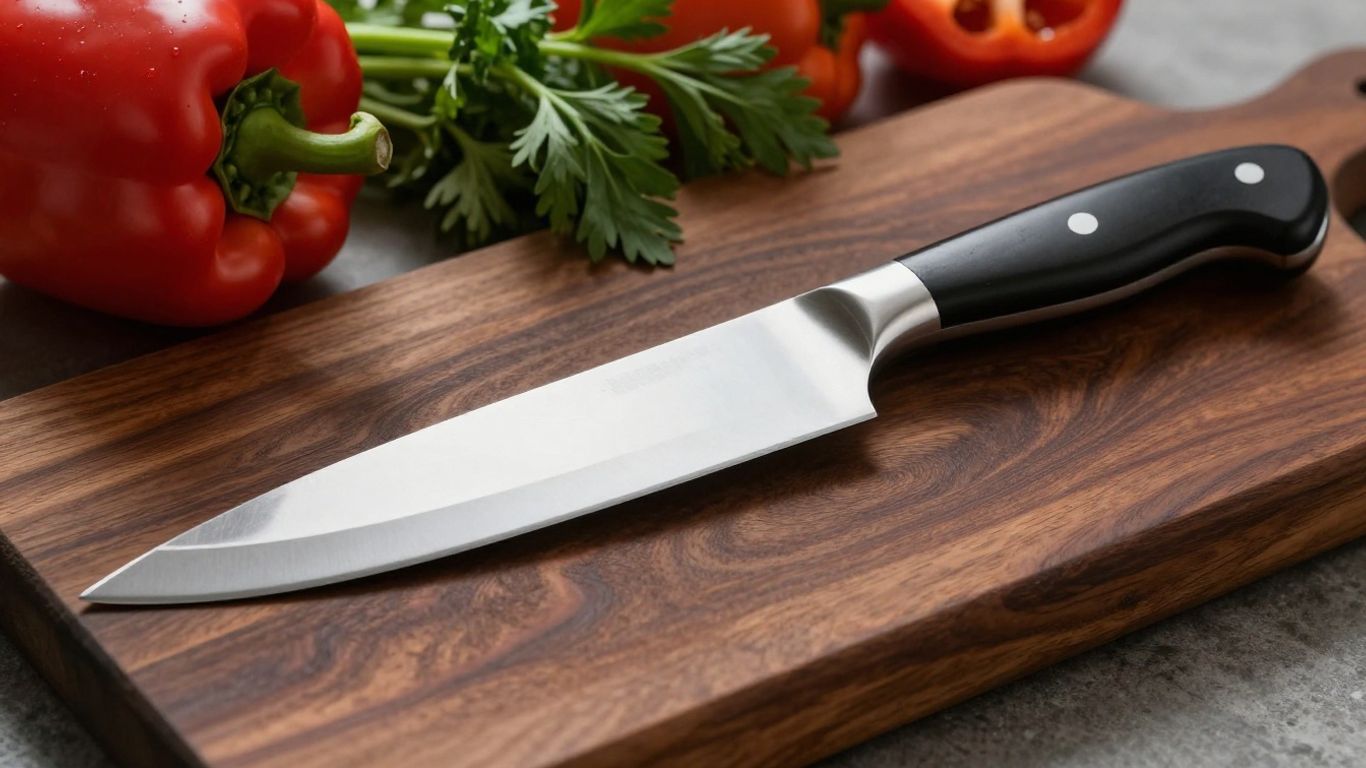
Let's be honest, we've all been there. Trying to chop vegetables with a knife that's seen better days. It's a struggle, right? You're sawing away, things are getting crushed instead of cut, and your eyes are watering. It's just not a good time.
The Backbone Of Every Kitchen: The Chef's Knife
The chef's knife is the real workhorse in any kitchen, whether you're whipping up a quick weeknight dinner or tackling a complex recipe. It's the tool you'll reach for most often, handling everything from slicing and dicing to mincing and chopping. But not all chef's knives are created equal. A high-quality, luxury chef's knife makes a world of difference. It's designed for better balance, stays sharp longer, and feels good in your hand, which means less fatigue when you're prepping a lot of food.
Precision For Culinary Excellence
Think about it: a dull knife requires more force to cut. This makes it more likely to slip, which can lead to accidents. A sharp, well-made knife, on the other hand, glides through ingredients. This means cleaner cuts, which can actually improve the flavor and texture of your food. Plus, when your knife is precise, your ingredients look better. Uniform slices of vegetables, for example, cook more evenly and present beautifully.
Using a superior cutting tool transforms the entire cooking process from a chore into a pleasure. It’s about having confidence in your tools so you can focus on your creativity.
Elevating Everyday Tasks
Even simple tasks become more enjoyable with the right knife. Slicing a tomato for a sandwich, dicing an onion for sauce, or even just trimming herbs – these everyday jobs are made easier and faster with a good knife. It feels less like work and more like you're actually enjoying the process of cooking. It's like upgrading from a basic tool to something that's built for performance. You'll find yourself looking forward to spending time in the kitchen, not dreading it.
Understanding The Craftsmanship Behind Premium Knives
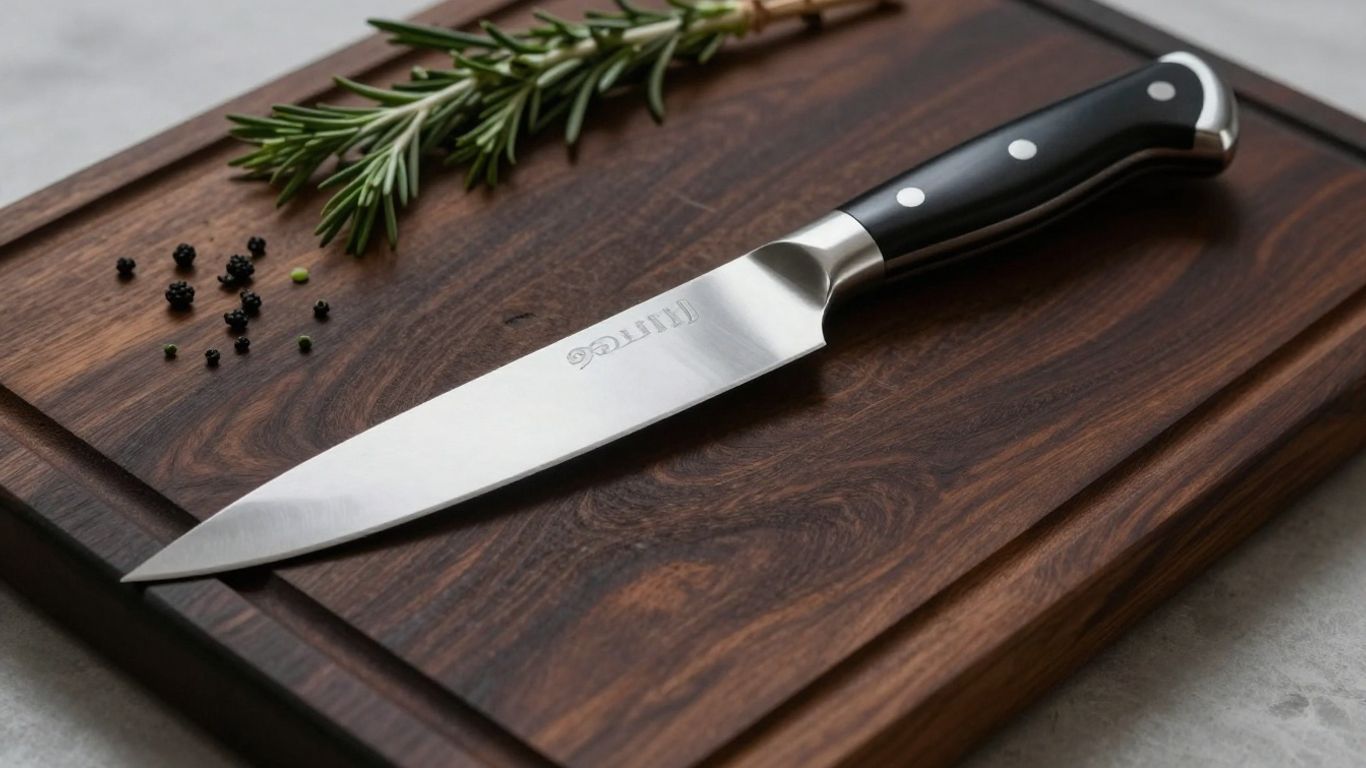
When you pick up a really good knife, you can just feel it, right? It's not just about how sharp it is, though that's a big part of it. It's about how it's made. The materials, the way it's put together – all that stuff matters a lot for how it performs in your kitchen.
The Importance Of High-Quality Steel
Think of the steel as the heart of your knife. The kind of steel used makes a huge difference in how well the knife cuts and how long it stays sharp. Cheaper knives often use softer steel that dulls quickly. But a good knife uses steel that's harder, which means it can hold a really fine edge for a long time. This is super important because a sharp knife is actually safer and makes cooking way easier.
Blade Material And Its Impact On Performance
Most high-end knives use steel that has a good amount of carbon in it. This makes the blade strong and able to keep its sharp edge. Sometimes, other metals are added to the steel, like chromium, to help prevent rust. The way the steel is treated, like how it's heated and cooled, also affects its hardness and how well it holds an edge. It's a bit of a science, really.
Here's a quick look at what different steel types might offer:
- High-Carbon Stainless Steel: A good mix of sharpness, durability, and rust resistance. Common in many quality knives.
- High-Carbon Steel (non-stainless): Can get incredibly sharp and hold an edge well, but needs more care to prevent rust.
- Powdered Steel: Often found in very high-end knives, these can offer exceptional hardness and edge retention.
Ergonomic Design For Comfort And Control
Beyond the blade itself, how the knife feels in your hand is key. A well-designed handle makes a big difference, especially if you're doing a lot of chopping. It should feel comfortable and balanced, so you don't get tired or strain your wrist. A handle that fits your hand well also gives you better control over the knife, which is important for making precise cuts and staying safe.
A knife that feels like an extension of your hand makes all the difference. It means you can focus on the food, not on fighting with your tool. This comfort leads to better results and a more enjoyable time in the kitchen.
When you're looking at knives, pay attention to the handle material too. Wood, plastic, and metal all feel different. Some people prefer a grippy texture, while others like a smooth finish. It really comes down to what feels best for you.
Choosing Your Ideal Luxury Knife For Cooking
So, you're ready to pick out that special knife. It's a big decision, and honestly, it can feel a bit overwhelming with all the options out there. Think of it like picking a good pair of shoes – you want something that feels right for you and the work you'll be doing. The main thing to consider is the steel. This is where the German and Japanese styles really stand out, and they're quite different.
German Steel Vs. Japanese Steel
German knives are generally built for durability and a bit more heft. They're made from steel that's a bit softer, which means they're tougher and less likely to chip. This makes them fantastic for chopping through tougher ingredients or for general, everyday use where you might be doing a lot of chopping and dicing. They feel solid in your hand, which some people really like.
Japanese knives, on the other hand, are often made with harder steel. This allows them to be ground to a much finer, sharper edge. They're typically lighter and thinner, which is great for precision work, like thinly slicing fish or vegetables. If you do a lot of intricate cutting or want that super-sharp, almost effortless glide through ingredients, a Japanese knife might be your pick. They require a bit more care, though, as that harder steel can be more brittle.
Here’s a quick look at the differences:
| Feature | German Steel Knives | Japanese Steel Knives |
|---|---|---|
| Hardness | Softer, more flexible | Harder, more brittle |
| Edge Angle | Wider (15-20 degrees) | Narrower (10-15 degrees) |
| Weight | Heavier, more substantial | Lighter, more agile |
| Durability | High, less prone to chips | High sharpness, can chip |
| Best For | Chopping, dicing, heavy use | Slicing, precision, delicate work |
Finding The Perfect Balance And Weight
Beyond the steel type, how a knife feels in your hand is super important. You'll hear people talk about
Maximizing Your Investment With Proper Knife Care
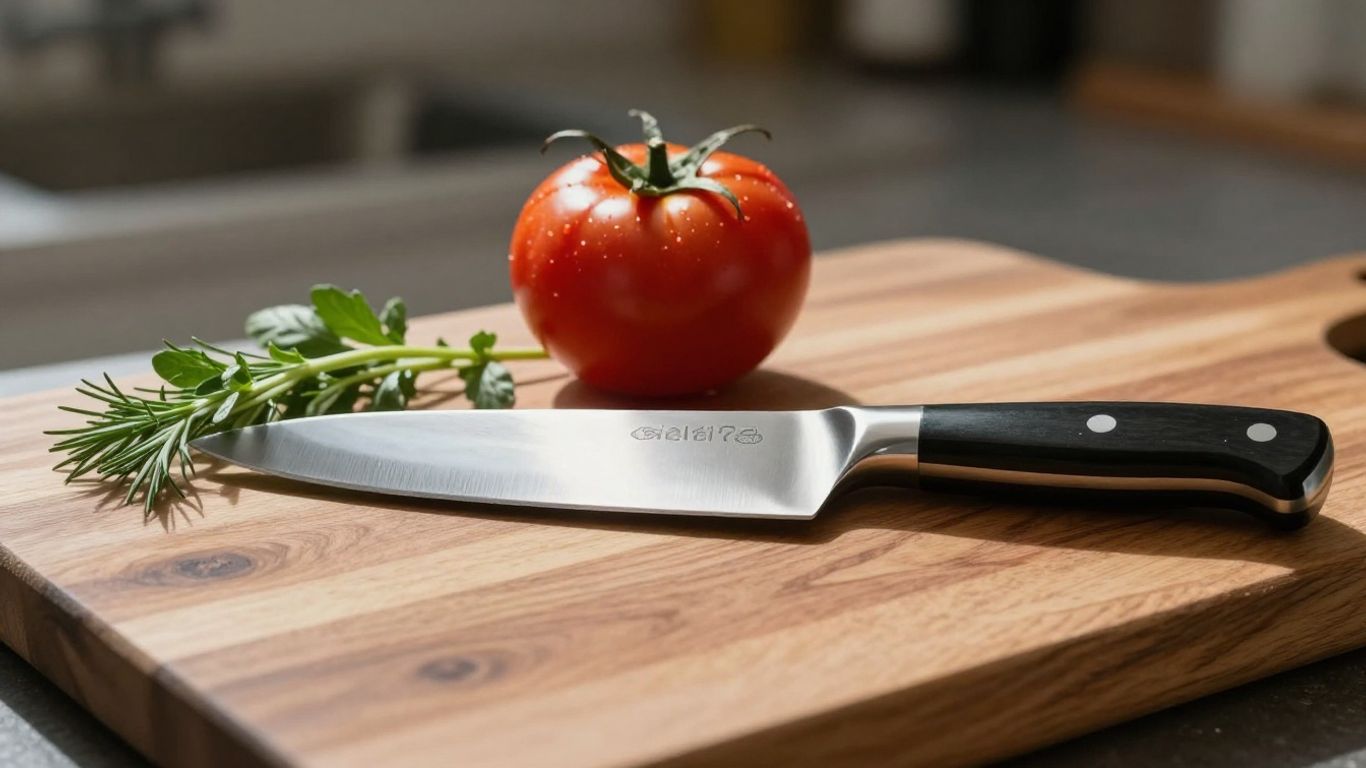
So, you've got a fantastic knife, maybe even a whole set. That's great! But owning a good knife is only half the battle. To really get your money's worth and keep that blade performing like new, you've got to take care of it. It's not complicated, honestly. A little bit of attention goes a long way.
Essential Maintenance For Longevity
Think of knife care like looking after any other quality tool. You wouldn't just toss your favorite hammer around, right? Your knife deserves similar respect. Regular upkeep means it'll stay sharp, safe, and a joy to use for years. It’s about preserving that initial investment and making sure your cooking experience stays smooth.
Hand-Washing And Safe Storage
First things first: never, ever put your good knives in the dishwasher. The hot water and strong soap can really do a number on the blade and the handle. It's best to wash them by hand with some mild dish soap and warm water. As soon as you're done, give them a quick dry with a towel. This stops any rust spots from forming.
When it comes to storing them, don't just chuck them in a drawer. They'll bang against other utensils, dulling the edge and potentially causing chips. A knife block is a classic choice, keeping each blade protected. Magnetic strips on the wall are another good option, keeping them visible and out of the way. Even a simple sheath for individual knives works wonders.
Regular Honing And Professional Sharpening
Sharpening is what gives your knife its edge, but honing is what keeps that edge in line. A honing rod, often made of steel or ceramic, realigns the microscopic teeth on the blade that get bent out of shape with use. You should hone your knife pretty regularly, maybe every few times you use it, to keep it cutting cleanly between actual sharpenings. It’s a quick process that makes a big difference.
Even the best steel will lose its sharpness over time. Regular sharpening is key to maintaining a safe and effective cutting tool. If you're not comfortable sharpening them yourself, many kitchen stores offer professional sharpening services. It's a small price to pay for a blade that feels brand new.
While honing keeps the edge aligned, sharpening actually removes a tiny bit of metal to create a new, sharp edge. How often you need to sharpen depends on how much you use your knife and the type of steel it's made from. For most home cooks, having them professionally sharpened once or twice a year is usually plenty. This process restores the blade to its former glory, making all your chopping, slicing, and dicing feel effortless again.
The Tangible Benefits Of A Superior Cutting Tool
Achieving Cleaner Cuts For Better Flavor
Using a really good knife makes a huge difference in how your food turns out. When you slice ingredients with a sharp blade, you get clean cuts. This means the food keeps its shape and texture. Think about slicing a ripe tomato or a piece of fish. A dull knife will mash and tear, making it look messy and affecting how it cooks. A sharp knife, though, glides right through, keeping everything intact. This attention to detail really shows up on the plate.
Clean cuts also help your food cook more evenly. If you're chopping vegetables for a stir-fry, for example, having all the pieces the same size means they'll all cook at the same time. No more mushy bits mixed with crunchy ones. It’s a small thing, but it makes a big impact on the final dish. Plus, when you cut cleanly, you don't lose as many natural juices and flavors from your ingredients. It’s all about preserving the quality of what you’re cooking.
Reducing Kitchen Fatigue And Enhancing Safety
Let's be honest, chopping a mountain of vegetables with a dull knife is tiring. You end up pushing and sawing, putting a lot of strain on your hands and wrists. A sharp, well-balanced knife does most of the work for you. It cuts through ingredients with ease, meaning you can prep for longer without feeling worn out. This is especially helpful when you're cooking for a crowd or tackling a recipe with lots of chopping.
And here’s something you might not expect: a sharp knife is actually safer than a dull one. It sounds counterintuitive, but it’s true. A dull knife requires more force to cut, making it more likely to slip off your food and onto your hand. A sharp knife grips the food and cuts where you want it to, reducing the chance of accidents. It’s about having better control over your tool. Taking care of your knives is a small effort that pays off in the long run. A well-maintained knife can last a lifetime, performing as beautifully as the day you bought it. Treat your knives with the respect they deserve, and they’ll reward you with years of precise, enjoyable cooking. Proper knife care is key.
The Satisfaction Of Effortless Food Preparation
There’s a certain joy that comes from using tools that just work well. When you have a great knife, cooking feels less like a chore and more like an art. You can chop, slice, and dice with confidence, knowing your knife will perform. It makes the whole process smoother and more enjoyable. You spend less time struggling with your ingredients and more time focusing on the creative side of cooking.
Using a superior cutting tool transforms everyday cooking tasks. It’s not just about efficiency; it’s about the feeling of control and precision you gain. This makes the entire culinary experience more rewarding and less physically demanding.
Think about the last time you had to hack away at a tough piece of meat or a stubborn root vegetable with a subpar knife. Now, imagine gliding through it effortlessly with a sharp, high-quality blade. That feeling of ease and control is incredibly satisfying. It makes you want to cook more and experiment with new recipes. It’s that simple pleasure of having the right tool for the job, making your time in the kitchen something to look forward to.
Ready to Chop?
So, there you have it. Investing in a good quality knife isn't just about having a fancy tool; it's about making your time in the kitchen easier and more enjoyable. A sharp, well-balanced knife makes all the difference, from slicing veggies for a weeknight dinner to prepping ingredients for a big holiday meal. It's a tool that, with a little care, will be with you for years, helping you create delicious food. Think about what you cook most often and find a knife that fits your needs. Your hands, your food, and your taste buds will definitely thank you.
Frequently Asked Questions
What makes a knife 'luxury'?
A luxury knife isn't just about looks. It's made with really good steel that stays sharp for a long time. The handle feels good in your hand, making it comfy to use. It's built to last and makes cooking feel easier and more precise.
Why is a chef's knife so important?
Think of a chef's knife as the most useful tool in the kitchen. It's great for chopping, slicing, and dicing almost anything. A good chef's knife makes these everyday tasks much quicker and easier, so you can focus on making delicious food.
Is German steel or Japanese steel better for knives?
Both are great, but they're a bit different. German steel is usually tougher and a little thicker, good for chopping through tougher foods. Japanese steel is often harder and thinner, which means it can be made super sharp for delicate slicing and detailed work.
How do I take care of a nice knife?
Always wash your knife by hand with soap and water – never put it in the dishwasher! Dry it right away. Store it safely in a knife block or on a magnetic strip so the blade doesn't get damaged. You'll also want to sharpen it regularly.
Will a good knife really make my food taste better?
Yes, it can! When you use a sharp knife, you get clean cuts. This means your food, like fruits and veggies, keeps its shape and doesn't get bruised. When food cooks evenly because it's cut nicely, it usually tastes better and looks nicer too.
Are sharp knives safer than dull knives?
Surprisingly, yes! A dull knife needs more force to cut, which means it's more likely to slip and hurt you. A sharp knife cuts through food easily with less pressure, so it stays where you want it and is much safer to use.


