
Exploring the World of Luxury Knife Handle Materials: A Comprehensive Guide
by Marco Castro on Feb 23, 2026

So, you've got a nice knife, maybe even a few. But have you ever really stopped to think about what's holding it all together? That's right, the handle. It's not just a grip; it's a big part of what makes a knife feel right in your hand. We're going to talk about all sorts of fancy materials used for knife handles, from stuff that comes from trees to things made in a lab. It's more than just looks; it's about how the knife feels and works when you use it. Let's check out some of the cool options out there for luxury knife handle materials.
Key Takeaways
- Natural woods like olive and walnut offer a classic look and feel, but they need a bit of care to stay in good shape.
- Materials from animals, such as deer or buffalo horn and bone, give knives a unique, sometimes rugged, elegance and a solid feel.
- Modern synthetic materials like Micarta and G10 are tough, reliable, and hold up well to heavy use, making them a practical choice.
- Taking care of your knife handle, whether it's cleaning or oiling, is just as important as looking after the blade to keep it working well and looking good.
- When picking a handle material, think about how it looks, how it feels in your hand, its weight, and how well it helps you grip the knife safely.
Exploring the Rich Tapestry of Luxury Knife Handle Materials
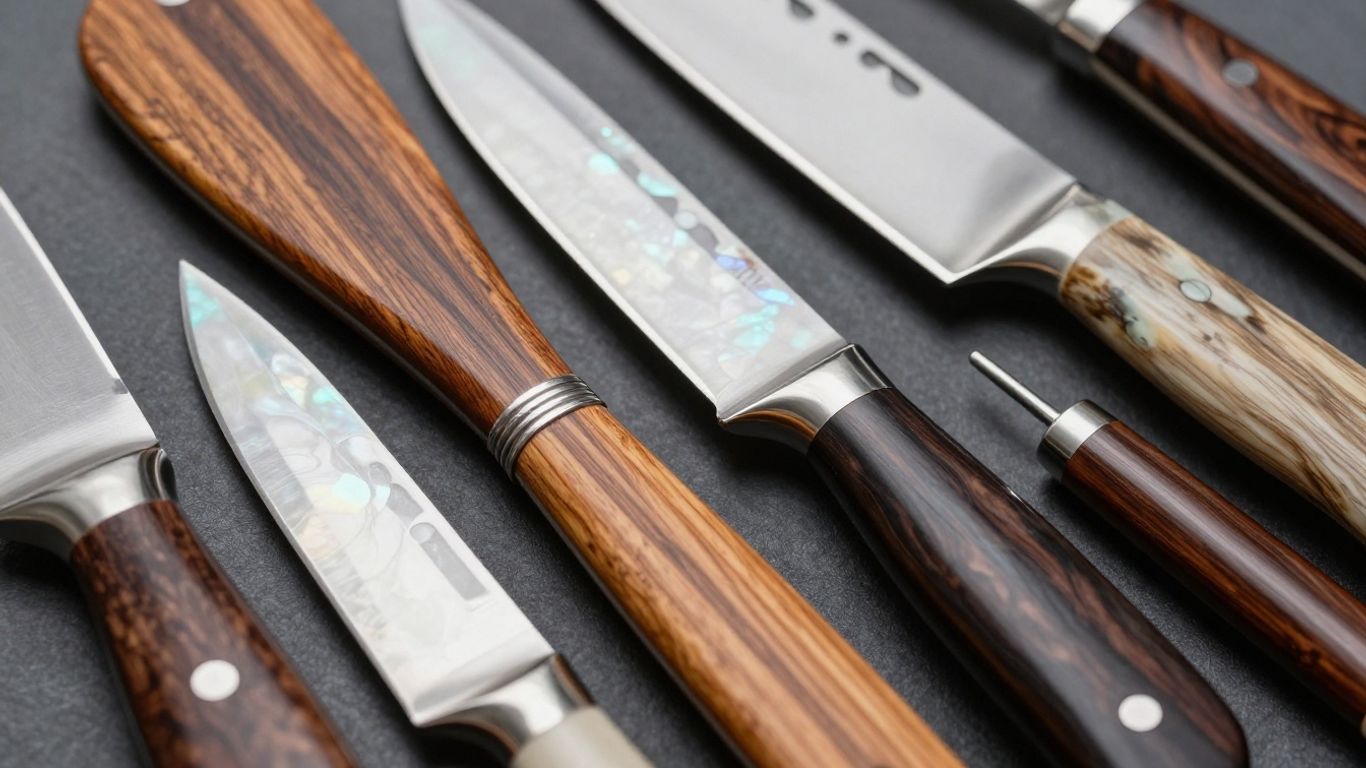
While the blade of a knife often gets the spotlight, it's the handle that truly connects you to your tool. The material chosen for a knife's handle does more than just look good; it affects how the knife feels in your hand, its weight, its grip, and even its overall character. Luxury knives, in particular, showcase a wide array of materials, each bringing its own story and properties to the table.
The Enduring Appeal of Natural Woods
Wood has been a go-to material for knife handles for centuries, and for good reason. It offers a natural warmth and a comfortable feel that synthetic materials often struggle to replicate. The variety within wood itself is astounding. From the light, fine grain of maple to the deep, rich tones of walnut, each wood species brings a unique aesthetic. You'll find woods with tight, uniform patterns and others with wild, swirling grains that make each handle a one-of-a-kind piece of art. Woods like olive wood, known for its beautiful, intricate veining and natural resistance to moisture, are particularly prized.
The Unique Character of Bone and Horn
Moving beyond wood, materials derived from animals offer a different kind of appeal. Bone, often polished to a smooth finish, provides a dense and sophisticated feel. Horn, whether from deer or buffalo, brings its own distinct textures and patterns. Buffalo horn, for instance, is known for its density and often displays beautiful striations of color. These materials add a rugged elegance and a sense of tradition to a knife, often with a smooth, cool touch that many users find very pleasing.
The Allure of Exotic and Mineral Materials
For those seeking something truly out of the ordinary, the world of luxury knife handles extends to exotic woods, vibrant minerals, and even fossilized materials. Think of the striking blues of lapis lazuli, the deep greens of malachite, or the earthy tones of turquoise. These mineral handles offer a stunning visual contrast and a unique tactile experience. Exotic woods, with their unusual colors and dramatic grain patterns, also provide a distinctive look. These materials aren't just about aesthetics; they represent a commitment to craftsmanship and a desire for a knife that stands apart from the crowd.
Understanding the Properties of Wood Knife Handles
The Warmth and Texture of Traditional Woods
Wood has been a go-to material for knife handles for ages, and for good reason. It just feels good in your hand, right? There's a certain warmth and natural texture that you don't get with other materials. Think about those classic kitchen knives or hunting blades – many of them sport beautiful wooden handles. Different types of wood offer different looks and feels. Some are lighter in color with a more uniform grain, while others are darker and have really interesting patterns. It’s this natural variation that makes each wooden handle feel a bit unique.
Durability and Aesthetic Qualities of Olive Wood
Olive wood is a real standout when it comes to knife handles. It’s known for its gorgeous, swirling grain patterns and those warm, earthy colors that just look classy. But it's not just about looks; olive wood is naturally hard and dense. This means it holds up well to use and is pretty resistant to wear and tear. It brings a touch of Mediterranean charm to any knife, making it both a practical and beautiful choice.
The Richness and Resilience of Walnut Wood
Walnut wood is another fantastic option, especially if you're looking for something that's both rich in appearance and tough. It often has a deep, beautiful color and a grain that can be quite striking. Walnut is known for its resilience, meaning it can handle regular use without easily getting damaged. It offers a good balance of a comfortable feel and the durability needed for a knife that gets used often. Plus, its natural beauty means your knife will look good doing its job.
Discovering the Charm of Animal-Derived Handle Materials
When we talk about luxury knives, it's not just about the blade. The handle plays a huge role in how a knife feels and looks. Animal-derived materials have been used for centuries, and for good reason. They bring a unique character and a touch of the wild to your tools.
The Rugged Elegance of Deer Horn
Deer antler, often shed naturally, offers a material that's both beautiful and ethical. It's known for its distinctive veining and a texture that feels great in your hand. Each piece of deer antler is different, meaning your knife handle will be truly one-of-a-kind. It's strong but surprisingly light, making it a comfortable choice for everyday use. Artisans often pair it with other natural materials to create stunning designs.
The Dense Sophistication of Buffalo Horn
Buffalo horn is a material that speaks of strength and refinement. It's denser than many other natural materials, giving your knife a satisfying weight and a solid feel. The natural patterns and colors in buffalo horn are quite striking, ranging from deep blacks to rich browns, often with subtle stripes. This material polishes up beautifully, offering a smooth, cool surface that's a pleasure to hold. It’s a material that has a long history in crafting fine objects.
The Timeless Appeal of Bone
Bone, typically from cattle, has been a go-to material for knife handles since ancient times. It’s tough, resistant to wear, and can be worked to achieve a smooth, almost polished finish. You'll often see bone handles with a creamy color, sometimes with hints of beige or light brown, and unique natural markings. Its durability means it can stand up to a lot of use, and its classic look never goes out of style. It’s a material that connects us to traditional craftsmanship.
Choosing an animal-derived handle means you're opting for a material with a story. These natural materials offer a tactile experience and a visual appeal that synthetic options often can't match. They bring a sense of history and a connection to the natural world right into your hand, making your knife not just a tool, but a piece of art. It's about appreciating the subtle variations and the inherent beauty that comes from nature itself, providing a grip that feels both secure and comfortable for all your knife performance needs.
Here's a quick look at what makes these materials special:
- Deer Horn: Lightweight, unique patterns, natural look.
- Buffalo Horn: Dense, smooth finish, striking natural colors.
- Bone: Durable, classic appearance, can be polished to a shine.
These materials aren't just about looks; they offer a practical and comfortable grip. The natural textures can provide a secure hold, which is important for safety and control when you're using your knife. Plus, their inherent beauty means your knife will always stand out.
Embracing Modernity with Synthetic Knife Handle Materials
While natural materials have their charm, synthetic handle materials offer a different kind of appeal, especially for those who demand peak performance and resilience from their tools. These modern options are engineered for durability, often outperforming traditional materials in harsh conditions. They represent a leap forward in knife technology, providing reliability that you can count on.
The Robust Performance of Micarta
Micarta is a composite material made by layering fabric, like canvas or linen, with a resin binder. This process creates a handle that is incredibly tough and resistant to impact. It's a popular choice for outdoor and tactical knives because it holds up well to rough use. Plus, it offers a comfortable, non-slip grip, even when wet.
- Canvas Micarta: Known for its rugged texture and excellent durability. It's a workhorse material.
- Linen Micarta: Offers a finer texture and a more refined look while still being very strong.
- Paper Micarta: Lighter than canvas or linen, it's still quite durable and can be polished to a smooth finish.
Micarta handles are a fantastic choice when you need a knife that can handle a lot of abuse without complaint. They feel solid in the hand and won't let you down when you need them most.
The Unyielding Strength of G10
G10 is another composite material, but instead of fabric, it uses layers of glass fiber soaked in epoxy resin. These layers are then compressed and baked, resulting in a material that is exceptionally strong, rigid, and resistant to moisture and temperature changes. G10 is a favorite among chefs and outdoor enthusiasts alike because it's virtually impervious to damage from water, oils, and common chemicals. This makes it super easy to clean and maintain.
| Property | G10 |
|---|---|
| Durability | Extremely High |
| Moisture Resistance | Excellent |
| Temperature Range | Wide, stable |
| Grip | Often textured for secure handling |
| Maintenance | Very Easy, wipe clean |
The Versatility of Other Advanced Synthetics
Beyond Micarta and G10, the world of synthetic knife handles includes a variety of other high-performance materials. Polypropylene, often blended with thermoplastic, offers a cost-effective and lightweight option that's resistant to moisture and chemicals. These blends are great for everyday carry knives and kitchen tools, providing a secure grip even in wet conditions. Materials like Ultrex G10 are also available, offering even greater durability for demanding applications. These modern synthetics ensure your knife feels good in your hand and can withstand the rigors of daily use, making a luxury knife a practical tool for any situation. A well-made handle is key to a great cooking experience.
- Polypropylene: Lightweight, affordable, and resistant to many substances.
- Thermoplastic: Flexible yet strong, easy to shape for comfort.
- Ultrex G10: An enhanced version of G10 for maximum toughness.
Caring for Your Luxury Knife Handle Materials
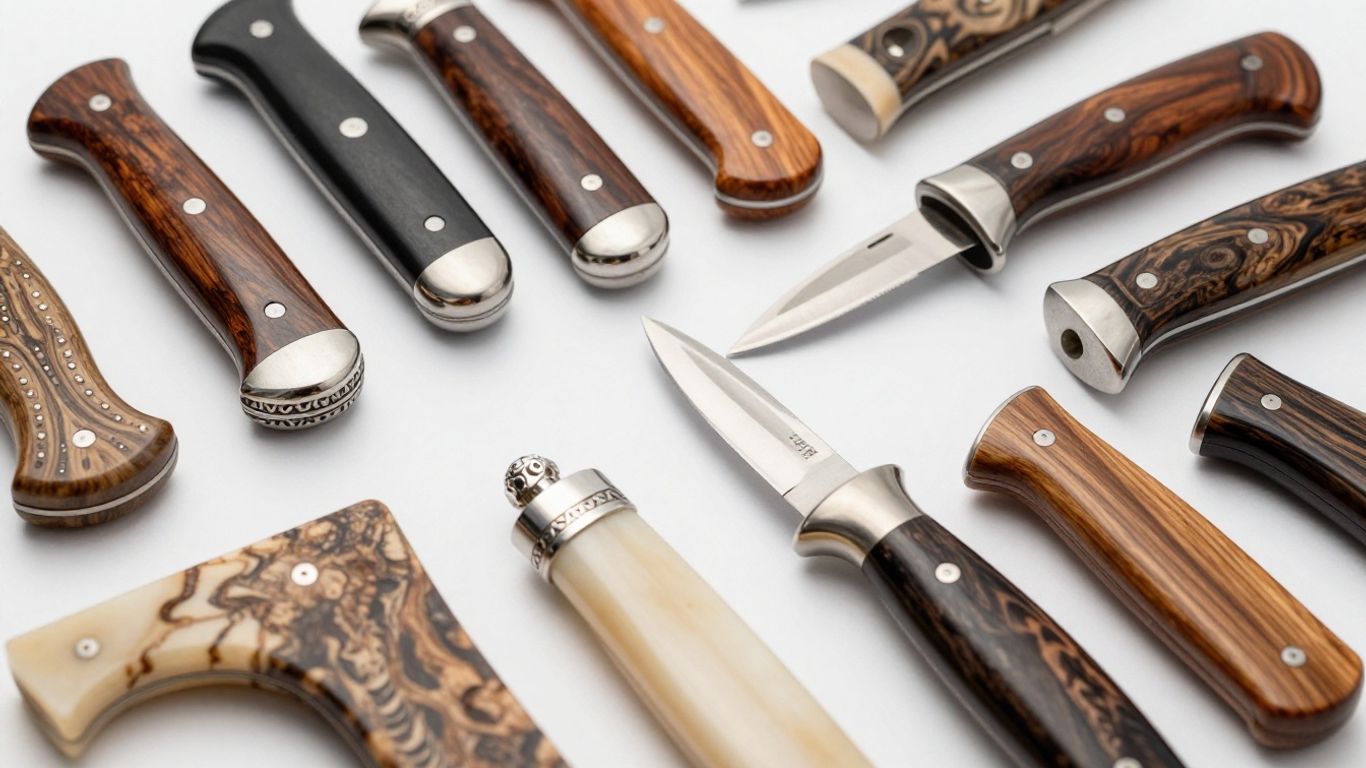
Keeping your luxury knives in top shape isn't just about the blade; the handle is just as important. A well-maintained handle feels better in your hand and looks great. Different materials need slightly different approaches, but the basics are pretty straightforward.
Gentle Cleaning Techniques for All Materials
No matter what your handle is made of, a gentle cleaning is usually the best first step. Avoid putting your knives in the dishwasher – that's a fast way to ruin them. Instead, grab a soft cloth and some warm, soapy water.
- Wipe down: Use a damp cloth to wipe away any dirt or residue. For tougher spots, a soft-bristled toothbrush can help.
- Rinse carefully: If you need to rinse, do it quickly and avoid soaking. This is especially true for natural materials.
- Dry thoroughly: Always dry the handle completely with a clean, soft towel. Moisture left behind can cause problems down the road.
The Importance of Oiling Natural Handles
Natural materials like wood, bone, or horn can dry out over time, especially if they're exposed to dry air or frequent washing. Oiling them is like giving them a drink of water.
- Wood: Apply a food-safe mineral oil or a specialized wood conditioner every few months, or whenever the wood starts to look dry. Wipe off any excess.
- Bone and Horn: These can also benefit from a light application of oil to keep them from becoming brittle. Use a similar oil as you would for wood.
Regular conditioning keeps natural handles looking good and prevents them from cracking or shrinking.
When to Consider Handle Replacement
Sometimes, despite your best efforts, a handle might get damaged. If the material is cracked, chipped, or severely worn, it might be time to think about replacement.
- Severe Damage: If a significant piece breaks off or there's a deep crack, it could affect the knife's usability and safety.
- Deterioration: For very old knives, especially those made from natural materials, you might see signs of wear that can't be fixed with simple maintenance.
- Aesthetic Preference: Sometimes, you might just want a change or an upgrade to a different material.
Replacing a handle can bring an old favorite knife back to life, making it feel new again.
Making the Right Choice: Factors in Selecting Handle Materials
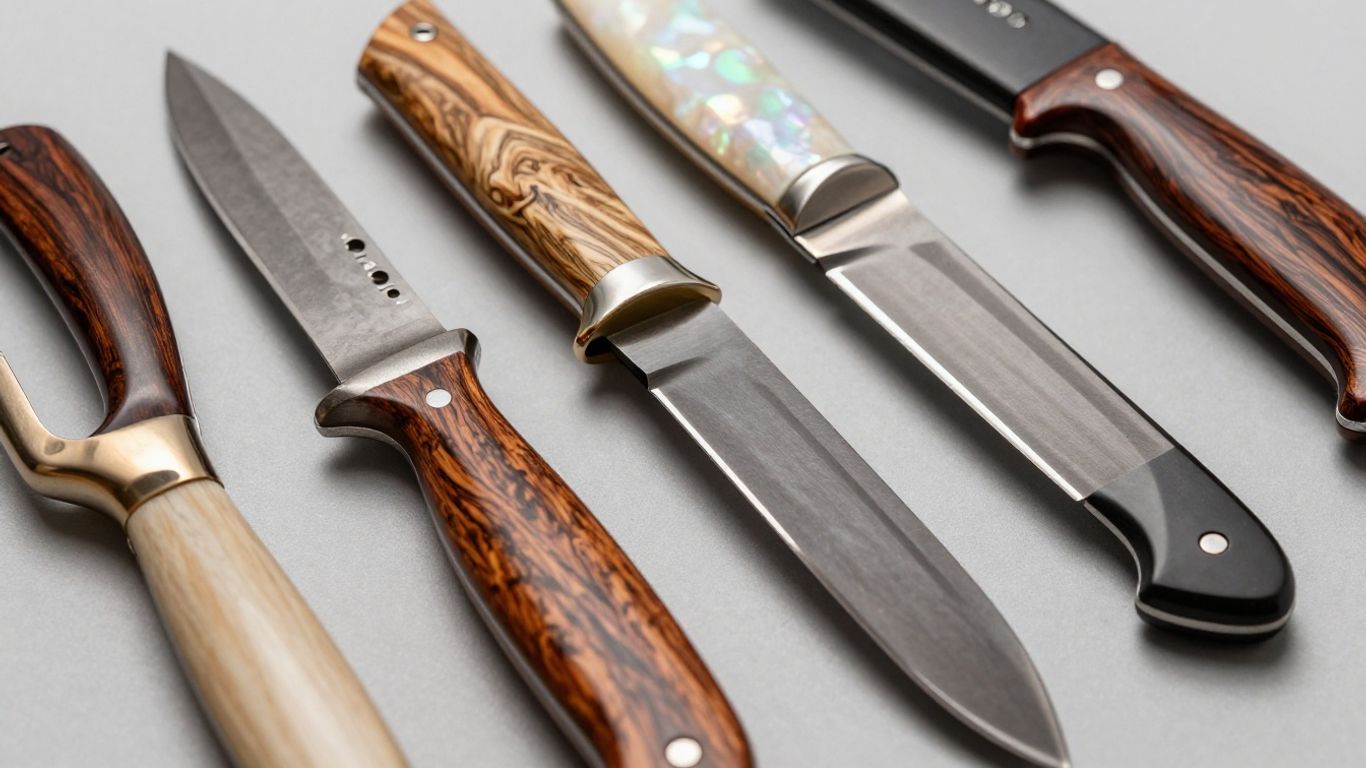
Choosing the right material for your knife handle is more than just picking something that looks good. It really affects how the knife feels in your hand, how you can control it, and even how safe it is to use. Think of it like picking the right tool for a specific job – the handle is your connection to that tool.
Balancing Aesthetics with Ergonomics
Sure, a handle made of polished ebony or intricately carved bone can look amazing. But if it doesn't feel right in your hand, all that beauty is kind of wasted. A good handle should feel comfortable, even after using the knife for a while. Some materials, like certain woods, offer a warmer feel, while others, like G10, might feel smoother but offer a more secure grip due to their texture. It’s about finding that sweet spot where the knife looks great and feels even better when you're actually using it.
Considering Weight and Density for Comfort
The weight and density of a handle material can make a big difference in how a knife feels. A heavier handle, often made from denser materials like buffalo horn or some metals, can give a knife a more substantial feel. This can be great for tasks where you need a bit of heft. On the flip side, lighter materials, like some stabilized woods or synthetics, can make the knife feel more nimble and less tiring to use for extended periods. It really comes down to personal preference and what feels balanced in your hand.
Here's a quick look at how some common materials stack up:
| Material | Typical Weight (Relative) | Density (Relative) | Feel in Hand |
|---|---|---|---|
| Traditional Woods | Light to Medium | Medium | Warm, Textured |
| Bone | Medium | Medium to High | Smooth, Solid |
| Buffalo Horn | Medium to Heavy | High | Smooth, Dense |
| Micarta | Medium | Medium | Grippy, Solid |
| G10 | Medium | Medium to High | Grippy, Smooth |
The Role of Handle Materials in Grip and Safety
This is where things get really practical. A slippery handle is a recipe for disaster. Materials that offer a good grip, even when wet or greasy, are key for safety. Think about textured synthetics like Micarta or G10, or even natural materials that have a bit of inherent grip. A secure grip means you have better control over the blade, reducing the chance of slips and accidents. It’s not just about preventing cuts; it’s about making sure the knife does what you want it to do, every time.
A knife handle's primary job is to connect you safely and effectively to the blade. While looks are important, the way a handle feels, how securely you can hold it, and how it behaves under different conditions are what truly matter for practical use and long-term satisfaction.
Wrapping It Up
So, we've looked at a bunch of different materials that can go into making a knife handle. From the warm, classic feel of wood to the tough, modern vibe of synthetics, and even some really unique stuff like bone or horn, there's a lot to choose from. It’s not just about how a knife looks, right? The handle is what you actually hold onto. Picking the right material means your knife will feel good in your hand, be safe to use, and last a long time. Whether you’re a pro chef, a weekend camper, or just someone who appreciates a well-made tool, the handle material really makes a difference. Don't forget to give your handle some love with proper care, just like you do with the blade. It’s all part of keeping your knife in top shape.
Frequently Asked Questions
What makes a knife handle 'luxury'?
A luxury knife handle isn't just about looking fancy. It's about using special materials that feel great in your hand and last a long time. Think beautiful woods, strong animal parts like bone or horn, or even high-tech man-made stuff. It's the combination of looks, feel, and how well it's made that makes it luxurious.
Are wooden handles good for knives?
Yes, wooden handles are a classic choice! Woods like olive or walnut feel warm and have cool patterns. They offer a good grip, but you do need to take care of them. A little oil now and then keeps them from drying out and looking sad. They add a natural, elegant touch to any knife.
What about handles made from bone or horn?
Handles made from things like deer or buffalo horn, or bone, have a really unique and rugged look. They can be very durable and add a sophisticated feel. Just remember, these aren't for everyone, and it's good to know they come from animal sources. They can sometimes be a bit slippery, so a good grip is important.
What are synthetic handle materials like G10 and Micarta?
These are modern materials that are super tough and reliable. G10 is made from layers of fiberglass and resin, making it strong and resistant to water. Micarta is similar, often made with fabric or paper layers. They offer a great, non-slip grip and can handle rough use without much fuss. They're a great choice if you want something built to last.
How do I take care of my fancy knife handle?
It depends on the material! For wood and bone, gently clean them with mild soap and water, then dry them well. Applying a bit of mineral oil or special wood oil regularly keeps them from drying out. For synthetic handles, a simple wipe-down is usually enough. Always avoid putting them in the dishwasher!
Does the handle material affect how I use the knife?
Absolutely! The handle is your main connection to the knife. A good material gives you a secure grip, so the knife doesn't slip. Some materials are lighter or heavier, which can change how the knife feels in your hand. The shape and texture also matter a lot for comfort, especially if you're using the knife for a long time. Safety and comfort are key!


