
Forged vs Stamped Knives: Unpacking the Key Differences for Your Kitchen
by Marco Castro on Feb 11, 2026

So, you're in the market for a new kitchen knife, huh? It's a bit of a jungle out there with all the options. You've probably heard terms like 'forged' and 'stamped' thrown around, and maybe you're wondering what the big deal is. Honestly, it can be confusing. I've been there, staring at knives, trying to figure out which one will actually make chopping onions less of a chore and more of a breeze. Let's break down the differences between forged vs stamped knives so you can pick the right one for your kitchen.
Key Takeaways
- Forged knives are made by heating and hammering a single piece of steel, often resulting in a denser, more durable blade with better edge retention compared to stamped knives.
- Stamped knives are cut from a large sheet of steel, making them generally lighter, more flexible, and less expensive to produce.
- Forged knives typically have a bolster (the thick band between the blade and handle) and a full tang, contributing to better balance and strength.
- The feel of a forged knife is often described as more solid and balanced, while stamped knives can feel lighter and more nimble, which might suit certain tasks or preferences.
- When choosing between forged vs stamped knives, consider your cooking style, budget, and how long you expect the knife to last. Forged knives are usually a longer-term investment in quality and performance.
Understanding The Forged Knife Process
Heating And Hammering Steel Into Shape
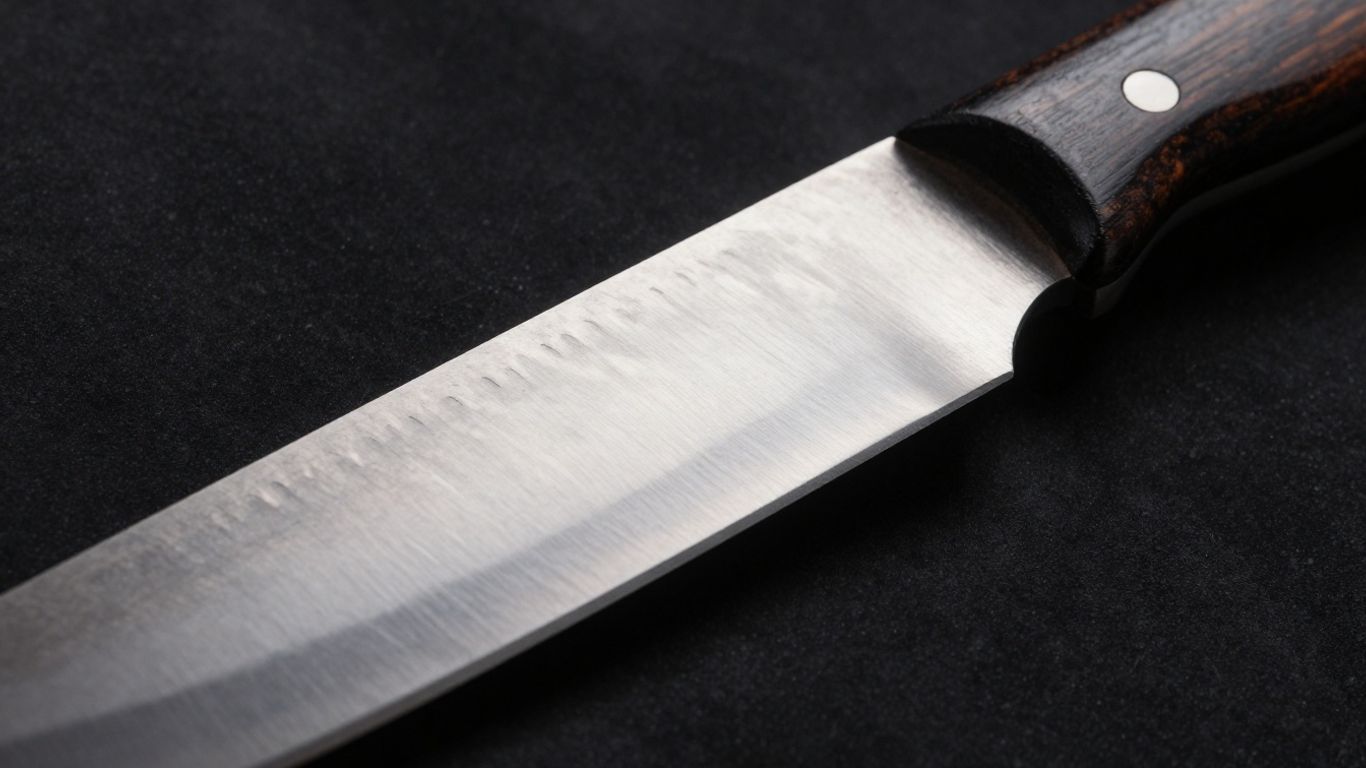
The journey of a forged knife begins with a single piece of high-quality steel. This steel is heated to an incredibly high temperature, making it soft and pliable. Then, skilled craftspeople use hammers, both by hand and with power hammers, to shape the glowing metal. It's a bit like a sculptor working with clay, but on a much more intense scale. This hammering process does more than just give the blade its basic form; it also refines the steel's internal structure, making it denser and stronger. This is where the knife really starts to take shape, piece by piece.
The Artistry And Functionality Of Forging
Forging isn't just about brute force; it's a delicate dance between heat, hammer, and the steel itself. The way the steel is worked influences its final properties. For instance, the process can create specific patterns within the steel, like the beautiful, wavy lines seen in Damascus steel. These patterns aren't just for looks, though. They often come from layering different types of steel, which can give the blade a unique combination of hardness and flexibility. This blend of art and science is what makes forged knives so special. They are tools, yes, but they're also often seen as works of art. You can find some really intricate designs that show off the maker's skill, like the ladder Damascus pattern, which looks like tiny steps carved into the metal.
Superior Edge Retention And Durability
One of the biggest advantages of the forging process is how it impacts the blade's performance. By heating and hammering the steel, the grain structure becomes more uniform and dense. This means the edge of the knife is less likely to chip or roll over during use. Think of it like building with tightly packed bricks versus loosely stacked ones – the denser structure holds up better. This results in a blade that stays sharp for longer, meaning you spend less time sharpening and more time cooking. It also contributes to the overall toughness of the knife, making it more resistant to damage from everyday kitchen tasks. This durability is a key reason why many chefs and home cooks prefer forged knives for their demanding work.
Exploring The Stamped Knife Method
How Stamped Blades Are Cut From A Sheet
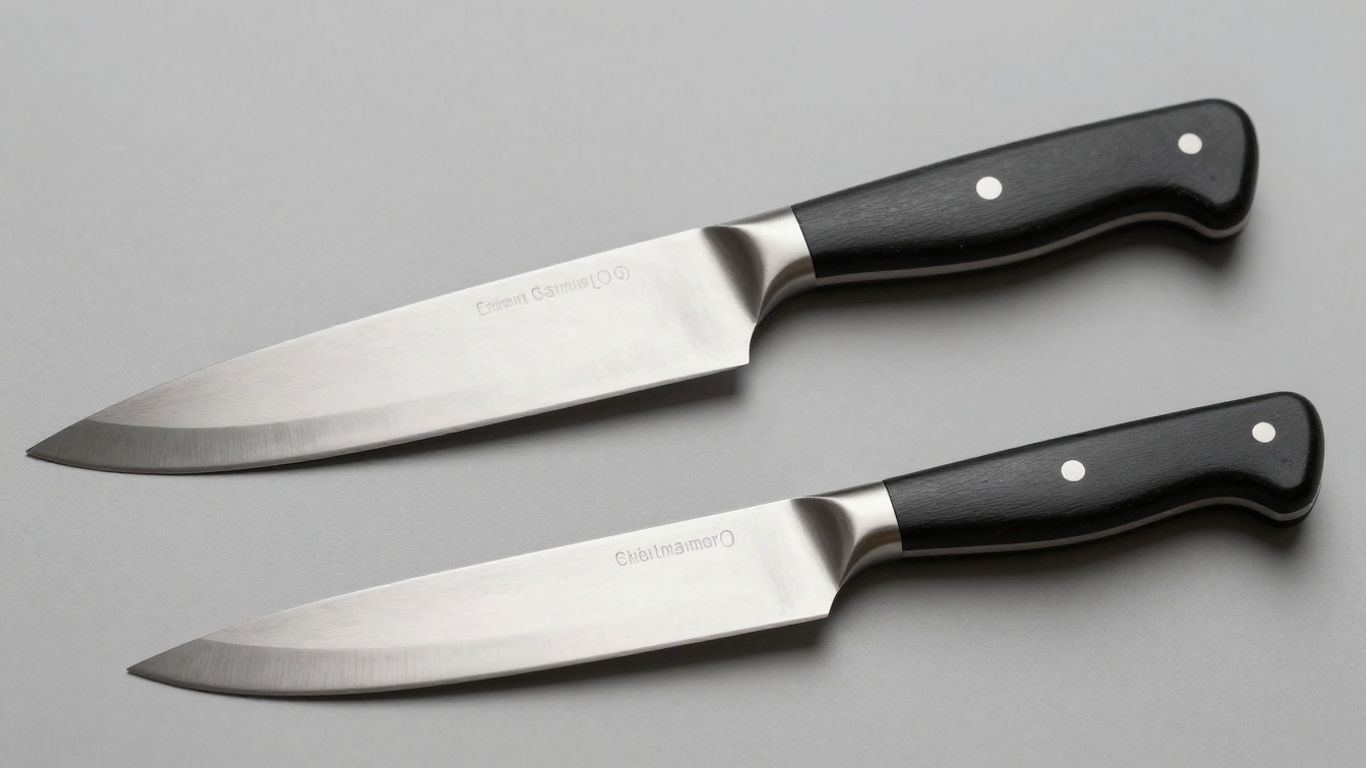
Stamped knives start their life very differently from forged ones. Instead of being heated and hammered into shape, these blades are essentially punched out from a large, flat sheet of steel. Think of it like using a cookie cutter, but for knives. A powerful press with a die shaped like a knife blade cuts out the basic form. This process is quick and efficient, which is why stamped knives are often more affordable.
After the initial cutting, the blade still needs some work. It's usually ground to achieve its final shape and sharpened. The steel used is often a bit softer than what's typically found in forged knives, which makes it easier to cut and shape. This method focuses on mass production and getting a usable knife out the door without the intensive labor of forging.
The Speed And Cost-Effectiveness Of Stamping
This method is all about efficiency. Because the blades are stamped out quickly from a sheet, manufacturers can produce a large number of knives in a short amount of time. This speed directly translates to lower production costs. Less labor, less specialized equipment, and faster turnaround mean that stamped knives can be sold at a much lower price point.
This makes them a great option for home cooks who need a reliable set of knives without breaking the bank. You can often find full sets of stamped knives for the price of a single high-end forged knife. It’s a trade-off: you get affordability and accessibility, but typically not the same level of craftsmanship or long-term performance.
Potential Differences In Blade Density
Because stamped blades are cut from a sheet and then ground, the steel's internal structure can be different compared to a forged blade. Forging involves intense heat and hammering, which aligns the steel's grain structure. This alignment can lead to a denser, more uniform, and stronger blade. Stamped blades, on the other hand, might have a less uniform grain structure because they haven't undergone the same intense shaping process.
This difference in density and grain structure can affect how the knife performs over time. While a stamped knife can still be very sharp and capable, it might not hold its edge quite as long as a well-made forged knife, and it could potentially be more prone to chipping or bending under heavy use. It's not necessarily a bad thing, just a different characteristic that comes from the manufacturing method.
The key takeaway is that the manufacturing process itself dictates many of the knife's characteristics, from its strength and edge retention to its overall feel in your hand. Stamping is a fast, cost-effective way to create a blade, but it results in a different internal structure than the more labor-intensive forging method.
Key Distinctions In Forged Vs Stamped Knives
When you're looking at knives, you'll notice they're made in one of two main ways: forged or stamped. This difference isn't just about how they look; it really affects how they perform and how long they last. Let's break down what makes them different.
Blade Thickness and Taper
Forged knives usually have a thicker spine that gradually tapers down to a fine edge. This taper is important because it makes the knife stronger near the handle and allows for a sharper, more precise cutting point. Think of it like a well-built bridge – strong where it needs to be, but refined at the edges.
Stamped knives, on the other hand, are cut from a single sheet of metal. Because of this, they tend to be more uniform in thickness. They might not have that same gradual taper from spine to edge that a forged knife does. This can sometimes mean they feel a bit less balanced or robust in your hand compared to their forged counterparts.
The Bolster's Role in Forged Knives
Many forged knives come with a bolster. This is that thicker piece of metal right where the blade meets the handle. It serves a few purposes. For starters, it adds weight and helps with the knife's balance, making it feel more comfortable to hold and use for longer periods. It also acts as a protective barrier, preventing your fingers from sliding onto the blade, which is a nice safety feature. Plus, it gives the knife a more substantial, high-quality feel.
Stamped knives typically don't have a bolster. Since they're made from a flat sheet, adding a separate bolster piece would be an extra step and cost. This means the transition from blade to handle is usually more direct, which can affect the overall balance and feel of the knife.
Handle Construction and Fit
With forged knives, the tang – the part of the blade that extends into the handle – is often full or partial. This means the metal goes all the way through or most of the way through the handle material. The handle scales (the pieces that make up the grip) are then attached to this tang, often with rivets. This construction method generally leads to a very strong and durable handle that's less likely to loosen up over time. It feels solid in your hand.
Stamped knives might have a different handle setup. The tang might be narrower and shorter, and the handle material is often molded around it or attached in a way that's quicker and cheaper. While this can still result in a comfortable handle, it might not feel as robust or be as long-lasting as the construction found on many forged knives. The fit and finish can sometimes be less refined.
The way a knife is constructed, whether forged or stamped, directly impacts its balance, durability, and how it feels in your hand. These aren't just minor details; they contribute significantly to the overall user experience and the knife's longevity in the kitchen. Choosing between them often comes down to what you value most in a kitchen tool. Damascus and stainless steel knives offer distinct advantages, and understanding the manufacturing process helps you appreciate these differences.
Performance And Feel In The Kitchen
When you're in the kitchen, the tools you use can really change how you feel about cooking. It's not just about getting the job done; it's about how smoothly it happens and how good the results look. This is where the difference between forged and stamped knives really shows up.
Balance And Weight Distribution
Think about holding a knife. A well-balanced knife feels like an extension of your hand. Forged knives, because of how they're made and often the addition of a bolster (that thicker part where the blade meets the handle), tend to have a more forward weight. This can give you a feeling of control, especially when you're doing heavier tasks like chopping.
Stamped knives, on the other hand, are generally lighter and can feel more evenly weighted. This might feel quicker in your hand for lighter tasks, but some people find they don't have that same solid, grounded feel as a forged blade. It really comes down to what feels right in your grip.
Cutting Precision And Effortlessness
How a knife cuts is a big deal. Forged blades, often made from a single piece of steel that's heated and hammered, can achieve a finer, more consistent edge. This means they can slice through ingredients with less effort. You'll notice this when you're dicing onions or thinly slicing tomatoes – the knife just glides through.
Stamped knives, while they can be very sharp, sometimes don't hold that sharpness quite as long or cut with the same level of finesse. They might require a bit more pressure, and you might find they don't slice as cleanly through tougher items. For everyday tasks, they're usually fine, but for detailed work, the difference can be noticeable.
The way a knife feels in your hand and how it moves through food is a personal thing. What one person finds perfectly balanced, another might find a bit off. It's worth trying out different knives if you can, to see what feels best for your cooking style.
Long-Term Durability And Maintenance
When it comes to lasting a long time, forged knives often have the edge. The forging process can make the steel stronger and more resistant to chipping or breaking. Plus, many forged knives have a full tang, meaning the metal of the blade runs all the way through the handle. This adds a lot of strength and stability.
Stamped knives are generally less robust. While they can still last a good while with proper care, they might be more prone to bending or dulling faster. Maintenance is key for both types, of course. Regular honing and proper washing (always by hand, never in the dishwasher!) will help any knife perform better for longer. Forged knives, with their superior durability, are often seen as a better long-term investment for serious cooks.
Aesthetic Appeal And Craftsmanship
The Unique Look Of Forged Blades
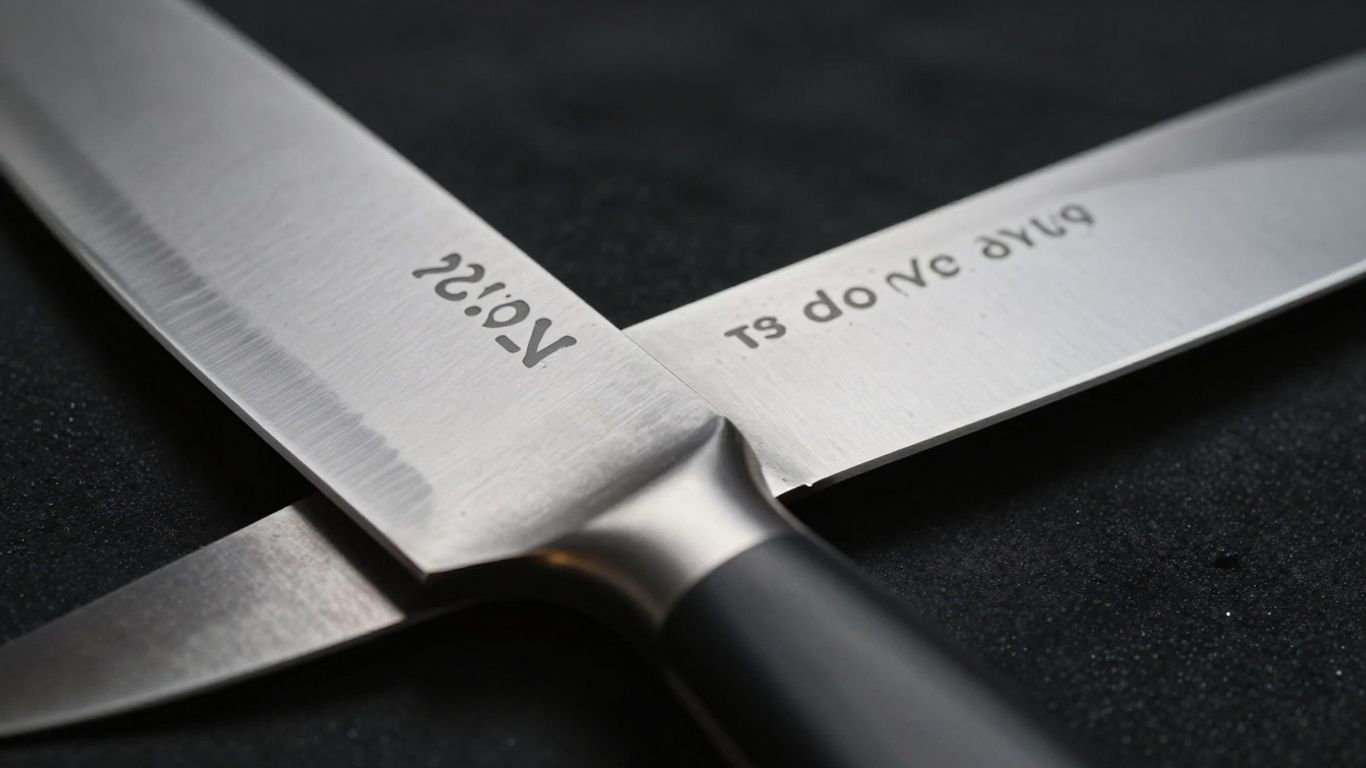
Forged knives often have a certain look that sets them apart. Because the steel is heated and hammered into shape, you can sometimes see subtle variations in the surface. This isn't a flaw; it's a sign of the process. Think of it like the grain in wood – each piece is slightly different, giving it character.
This process also allows for more intricate patterns to be worked into the steel itself. We're talking about things like Damascus steel, where different metals are layered and folded to create beautiful, swirling designs. These aren't just painted on; they're part of the metal's structure. It makes each knife feel like a one-of-a-kind piece.
Patterns And Designs In High-End Knives
When you look at higher-end forged knives, you'll often find these detailed patterns. Damascus steel is a prime example. There are many types, like:
- Mosaic Damascus: This looks like tiny artwork, with repeating shapes like stars or vines. It's made by stacking and welding small pieces of different steels together, then stretching and folding the block to multiply the pattern.
- Herringbone Damascus: This pattern has a zigzag look, similar to a parquet floor or tweed fabric. It's created by precisely cutting and folding the steel billet multiple times.
- Feather Damascus: Known for its sweeping, almost fluid curves, this pattern requires very deliberate hammer strikes during forging to achieve its striking contrast.
These patterns aren't just for show. They show the skill of the smith and add a level of artistry that you just don't see with stamped blades. It's like the difference between a mass-produced print and an original painting.
The intricate patterns found in high-end forged knives, especially those made with Damascus steel, are a testament to the smith's patience and skill. Each swirl, twist, or geometric shape is a deliberate creation, born from hours of heating, hammering, folding, and etching. This isn't just about making a sharp edge; it's about crafting a piece of functional art.
The Value Of Handcrafted Quality
There's a certain satisfaction that comes with owning something made by hand. Forged knives, especially those that are truly handcrafted, carry a sense of tradition and dedication. You're holding a tool that someone spent a lot of time and effort shaping.
This craftsmanship often translates into a knife that feels balanced and comfortable in your hand. The attention to detail in the forging process can also mean better performance and a longer lifespan for the blade. It's an investment in quality that you can see and feel every time you use it.
Making The Right Choice For Your Needs
So, you've learned about how forged and stamped knives are made, and you've seen the differences. Now comes the big question: which one is right for you? It really boils down to how you cook, what you're willing to spend, and what you expect from your kitchen tools over time.
Considering Your Cooking Habits
Think about your kitchen routine. Are you someone who whips up elaborate meals every night, or do you mostly handle quick weeknight dinners? If you're a serious home cook who enjoys prepping a lot of ingredients from scratch, a forged knife might feel like a natural extension of your hand. Its balance and durability can make those longer prep sessions much more comfortable. Forged knives often have a heft and feel that serious cooks appreciate.
On the other hand, if your cooking is more straightforward or you don't spend hours in the kitchen, a good quality stamped knife can absolutely get the job done. They're lighter, often more nimble, and can handle most everyday tasks with ease. You might find a stamped knife is perfectly sufficient for your needs, especially if you're not looking for a professional-grade tool.
Budget and Investment in Quality
Let's talk money. Forged knives generally come with a higher price tag. This is because the manufacturing process is more labor-intensive and requires more skilled craftsmanship. Think of it as an investment. If you buy a well-made forged knife, it can last you a lifetime with proper care. It's a tool you'll likely pass down.
Stamped knives are typically more affordable. They're made more quickly and efficiently, which brings the cost down. This makes them a great option if you're on a tighter budget or just starting out and don't want to spend a lot on your first set of decent knives. You can get a very functional stamped knife for a fraction of the cost of a forged one.
Here's a quick look at what you might expect:
| Knife Type | Typical Price Range (per knife) | Primary Benefit |
|---|---|---|
| Forged | $80 - $300+ | Durability, edge retention, feel |
| Stamped | $20 - $70 | Affordability, lighter weight |
Prioritizing Longevity and Performance
When you're deciding, consider how long you want your knives to last and how well you want them to perform. Forged knives, with their thicker blades and often superior steel, tend to hold their sharpness longer and are generally more resistant to chipping or breaking. They offer that satisfying, solid feel in your hand that many cooks crave.
Stamped knives, while perfectly capable, might require more frequent sharpening and might not withstand the same level of heavy-duty use over many years. However, for the average home cook, a good stamped knife will still provide excellent performance for a long time, especially if you take care of it. It's about finding the balance that works for your kitchen and your expectations.
Ultimately, the best knife for you is the one that feels right in your hand, performs the tasks you need it to, and fits within your budget. Don't get too caught up in the labels; focus on what makes your cooking experience better and more enjoyable.
So, Which Knife is Right for Your Kitchen?
Alright, so we've walked through the whole forged versus stamped knife thing. It's not just about how they look, but how they're made and how that affects their performance in your kitchen. Forged knives, with their handcrafted feel and often superior durability, are a real investment for serious cooks. Stamped knives, on the other hand, are usually more budget-friendly and perfectly capable for everyday tasks. Think about how you cook, what you're chopping, and, let's be honest, what your wallet can handle. Either way, a good knife makes a world of difference, turning kitchen chores into something a bit more enjoyable. Happy slicing!
Frequently Asked Questions
What is the main difference between how forged and stamped knives are made?
Forged knives are made by heating a single piece of steel and hammering it into shape, kind of like how a blacksmith makes a sword. Stamped knives are cut out from a large sheet of metal, similar to how cookies are cut from dough. This difference in making them affects how strong and sharp they can be.
Are forged knives better than stamped knives?
Often, yes. Because forged knives are hammered into shape, the metal becomes denser and stronger. This usually means they hold a sharp edge longer and are more durable. Stamped knives can be good, especially for the price, but they might not last as long or stay sharp as well.
Do forged knives feel different to use?
Yes, they often do! Forged knives usually have a thicker part near the handle called a bolster, which adds weight and helps with balance. This can make them feel more solid and comfortable in your hand, making chopping and slicing feel easier and more controlled.
What about the handles on forged vs. stamped knives?
The way the handle is attached can be different. Forged knives often have handles that are riveted onto the metal tang (the part of the blade that goes into the handle), making them very secure. Stamped knives might have simpler handles that are glued or attached differently, which can sometimes be less sturdy over time.
Which type of knife is better for a home cook?
For most home cooks, a good quality forged knife is a great investment because it will last longer and perform better. However, if you're on a tight budget or don't cook very often, a decent stamped knife can still get the job done. Think about how much you cook and what you're willing to spend.
Can stamped knives be sharp?
Absolutely! A stamped knife can be made very sharp, especially when it's new. The key difference is how long it will keep that sharpness. Because of how they are made, forged knives generally have better edge retention, meaning they stay sharp for a longer time with regular use and honing.


