
Mastering Carbon Steel Knife Care: Essential Tips to Prevent Rust and Maintain Sharpness
by Marco Castro on Feb 10, 2026

So, you've got a carbon steel knife, huh? They're pretty great for cutting, way better than those flimsy stainless steel ones sometimes. But, and there's always a 'but' with these things, they need a bit more attention. If you don't treat them right, you'll end up with rust spots and a dull edge faster than you can say 'chopped onions.' This guide is all about making sure your carbon steel knife stays sharp and rust-free, so you can keep on chopping without a fuss. We'll go over the basics, like cleaning and drying, and get into the nitty-gritty of sharpening and storage. Proper carbon steel knife care isn't rocket science, but it does take a little effort.
Key Takeaways
- Clean your carbon steel knife right after using it with mild soap and warm water, then dry it completely to stop rust before it starts.
- Sharpening your knife regularly, usually at a 15-20 degree angle, keeps it cutting well and makes it safer to use.
- Protect your blade from moisture and damage by storing it in a knife block, magnetic strip, or sheath, never just loose in a drawer.
- Applying a thin layer of food-safe mineral oil to the blade after drying can add an extra layer of protection against rust.
- Develop a routine for cleaning, drying, sharpening, and storing your carbon steel knife to ensure it lasts a long time and performs its best.
Understanding Your Carbon Steel Knife
The Unique Properties of High-Carbon Steel
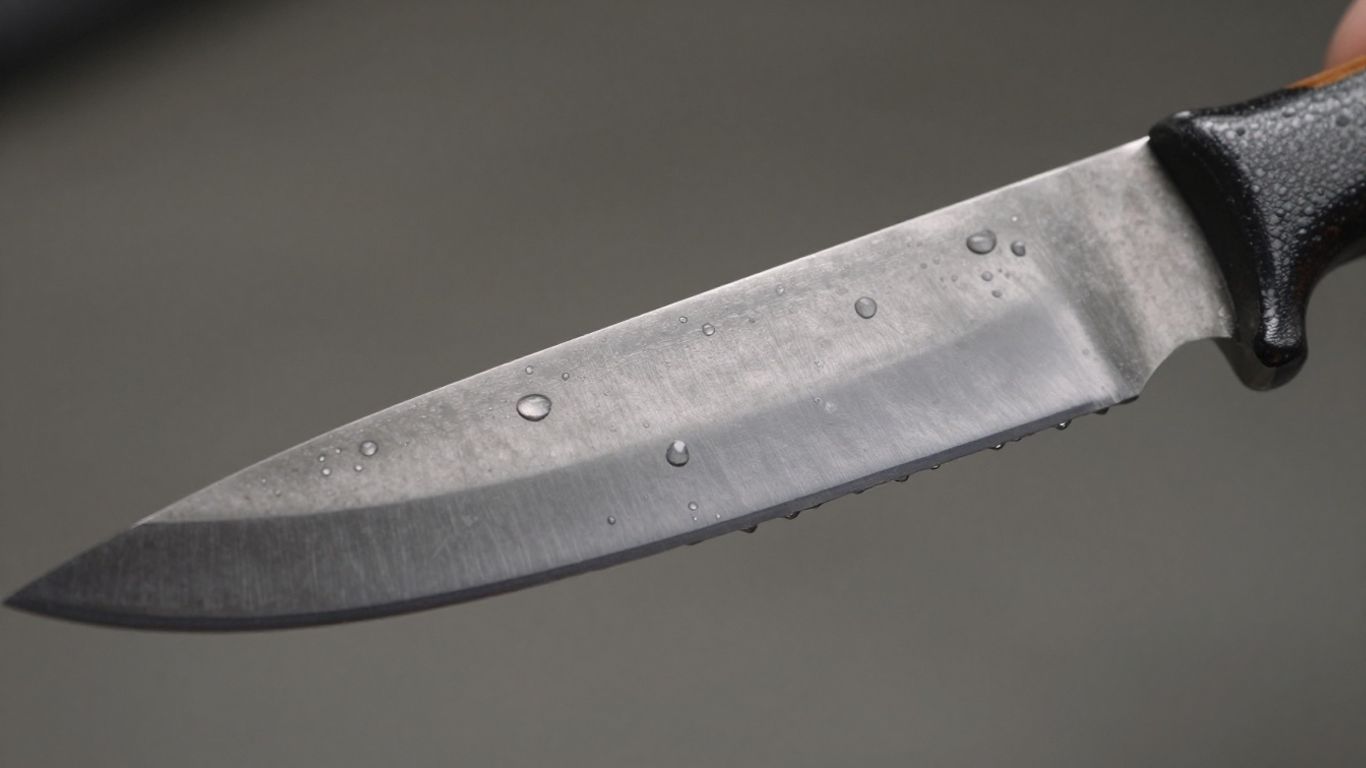
High-carbon steel is a bit of a legend in the knife world, and for good reason. It's basically steel that has a higher percentage of carbon mixed in – usually somewhere between 0.6% and 1.7%. This extra carbon is what makes the steel really hard. Think of it like adding more bricks to a wall; it makes the whole structure stronger and more solid. This hardness is a big deal because it means your knife can hold a really sharp edge for a long time. It's less likely to get dull quickly, even when you're doing tough cutting jobs. This is why chefs and serious home cooks often reach for carbon steel knives when they need precision and durability.
Why Carbon Steel Demands Special Attention
Now, here's the flip side to that incredible hardness. Because high-carbon steel has less of the chromium that you find in stainless steel, it's more prone to rust and corrosion. It's like a superhero with a weakness; it's super strong but needs a bit of extra protection. If you leave a carbon steel knife wet, or expose it to acidic foods for too long without cleaning, you'll start to see little orange spots appear. These are rust spots, and they can damage the blade over time. So, while it offers amazing performance, it definitely asks for a bit more attention and care than your average stainless steel knife. It's a trade-off, but for many, the benefits of that sharp, long-lasting edge are totally worth it.
The Role of Carbon Content in Blade Performance
The amount of carbon in the steel really dictates how the blade performs. More carbon means a harder blade, which translates to a sharper edge that stays sharp longer. This is fantastic for tasks that require a lot of cutting, like slicing vegetables or carving meat. A higher carbon content also means the steel can be heat-treated to achieve a very fine grain structure, which contributes to its ability to take and hold a keen edge. However, as we've touched on, this also makes it more reactive to moisture and acids. So, when you're looking at a carbon steel knife, remember that its performance is directly tied to its composition. It's a material that rewards careful handling with exceptional cutting ability.
Daily Rituals for Pristine Blades
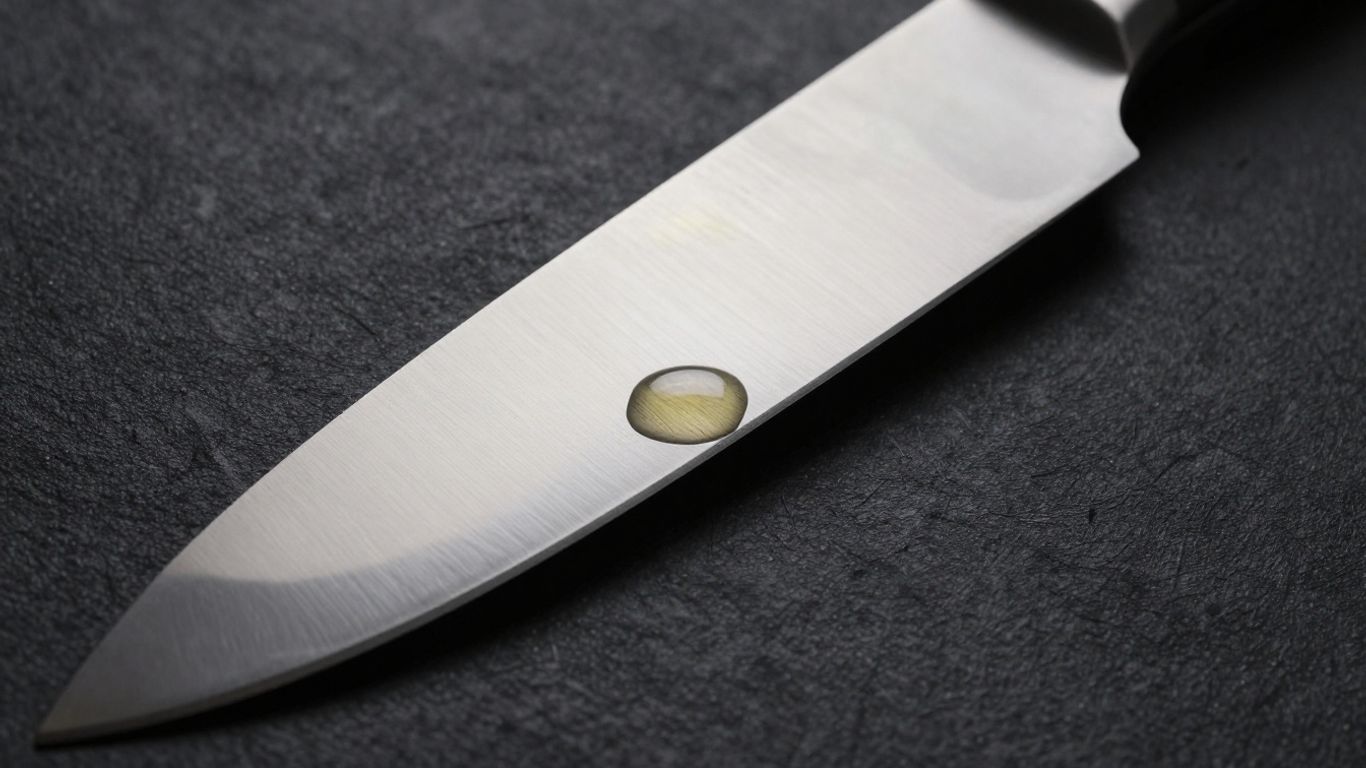
Taking care of your carbon steel knife doesn't have to be a chore. A few simple habits after each use will keep your blade in top shape and ready for action. Think of it like brushing your teeth – a quick, regular thing that makes a big difference.
Gentle Cleaning After Every Use
As soon as you're done with your knife, give it a quick wash. Don't let food bits or moisture sit on the blade. This is the number one way to stop rust before it even thinks about starting. Use warm water and a little bit of mild dish soap. A soft sponge or cloth is perfect for this. Just a gentle scrub is all it needs.
- Wash immediately after use.
- Use warm water and mild soap.
- A soft sponge or cloth works best.
The Importance of Thorough Drying
This step is just as important as washing. Water is the enemy of carbon steel. Even tiny droplets left behind can start to form rust. After washing, grab a clean, soft towel and dry the blade completely. Make sure you get all the nooks and crannies, especially around the handle. Some people like to let the knife air dry for a bit longer too, just to be absolutely sure.
Never, ever put your carbon steel knife in the dishwasher. The high heat, harsh detergents, and jostling around can seriously damage the blade and the handle, not to mention it's a rust magnet.
Avoiding Common Cleaning Pitfalls
There are a few things you should definitely avoid. First, don't use abrasive scrubbers like steel wool or harsh scouring pads. These can scratch the blade and remove the protective patina that might be forming. Second, steer clear of strong chemicals or bleach. They can damage the steel and the handle material. Lastly, don't leave your knife to air dry in a wet environment, like a steamy sink area. Always dry it yourself.
- Avoid steel wool and harsh scrubbers.
- Don't use strong cleaning chemicals.
- Don't leave it to air dry in a damp spot.
Mastering the Art of Sharpening
Keeping your carbon steel knife sharp is key to making cooking easier and safer. A dull knife can slip, causing accidents, while a sharp one glides through food with little effort. It’s not as complicated as it sounds, and with a little practice, you’ll get the hang of it.
Honing vs. Sharpening: Knowing the Difference
It’s easy to mix up honing and sharpening, but they do different jobs. Sharpening actually removes metal from the blade to create a new, sharp edge. Honing, on the other hand, realigns the existing edge. Think of it like straightening a bent nail – you’re not adding new metal, just putting what’s there back in place. For carbon steel, which can get a very fine edge, regular honing is a great way to keep it performing well between actual sharpening sessions. You'll want to hone your knife more often than you sharpen it.
Achieving the Perfect Angle for Carbon Steel
Getting the angle right is super important. For most carbon steel kitchen knives, an angle between 15 and 20 degrees per side is a good starting point. You want to keep this angle consistent throughout the sharpening stroke. It might feel awkward at first, but try to find a comfortable position. Using a guide can help, especially when you're starting out. The goal is to remove metal evenly from both sides of the blade to create a symmetrical edge. A consistent angle means a more durable and effective cutting surface.
- Consistency is key: Try to hold the angle steady from heel to tip.
- Check your work: Look at the edge under good light to see if you're hitting it evenly.
- Don't force it: Let the sharpening stone do the work; too much pressure can damage the edge.
Maintaining a consistent angle and pressure is vital for achieving a durable edge. When you sharpen your knives, ensure you apply even pressure throughout the stroke. This approach prevents uneven wear on the blade and ensures a sharp, uniform edge every time.
Selecting the Right Sharpening Tools
There are several ways to sharpen your knives. Whetstones, also called sharpening stones, are very popular because they give you a lot of control. They come in different grits, from coarse for repairing chips to fine for polishing the edge. Electric sharpeners are faster but can remove more metal and offer less control. For carbon steel, many people prefer whetstones because they allow for a more precise sharpening process. You might also want to consider a leather strop for a final polish after sharpening, which really refines the edge and makes it incredibly sharp. Choosing the right tools makes maintaining sharp knives much easier.
Here’s a quick look at common tools:
- Whetstones: Offer the most control and are great for achieving a fine edge. They come in various grits.
- Honing Rods: Usually made of steel or ceramic, used for realigning the edge between sharpenings.
- Strops: Often leather, used for the final polishing of the edge after sharpening.
- Electric Sharpeners: Quick and convenient, but can be less precise and remove more metal.
Preventing Rust and Corrosion
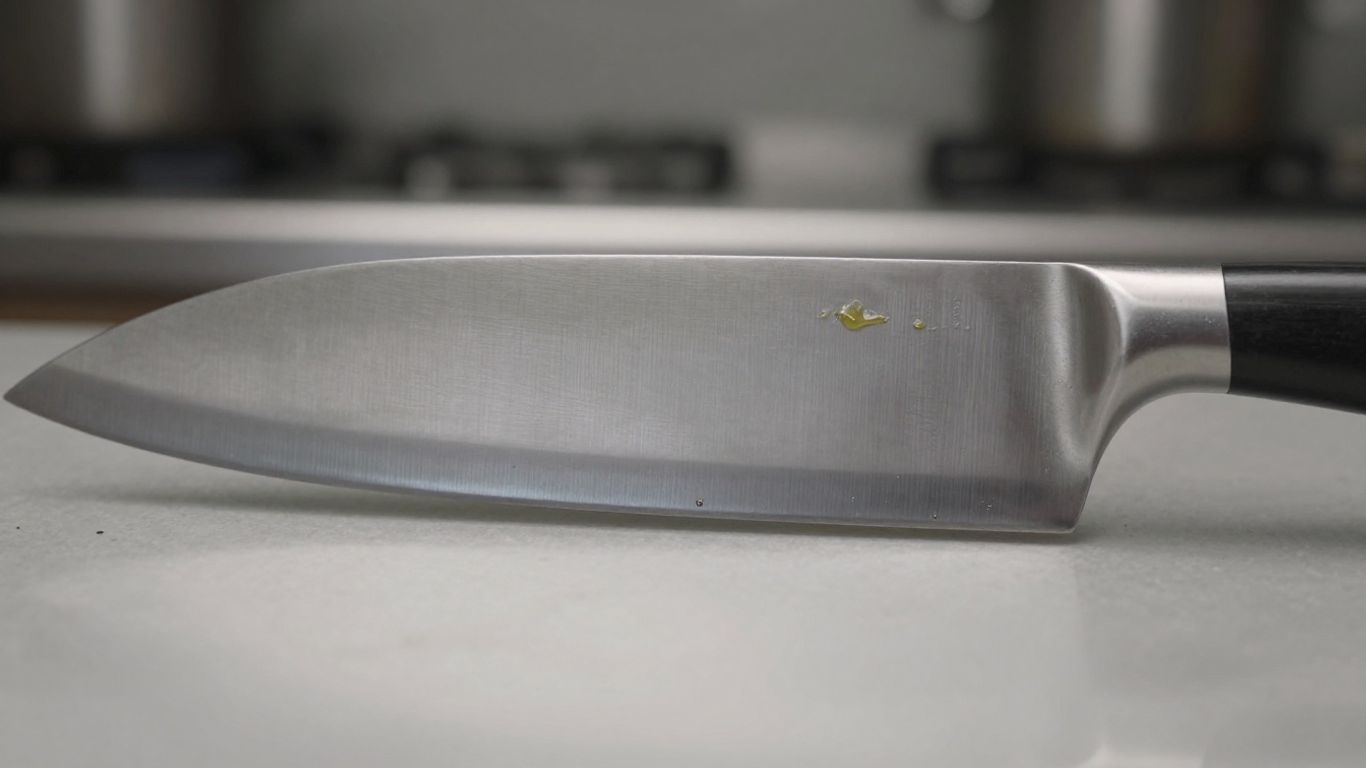
Rust on your carbon steel knife isn't just unsightly; it can actually damage the blade over time. Unlike stainless steel, carbon steel has less chromium, making it more prone to oxidation when exposed to moisture or acidic foods. But don't worry, keeping rust at bay is totally manageable with a little attention.
The Science Behind Carbon Steel Rust
So, why does carbon steel rust? It's a chemical reaction. When iron (which is the main component of steel) meets oxygen and moisture, it forms iron oxide – that's rust. Acids, like those found in lemons or tomatoes, can speed this process up. Think of it like leaving a cast iron pan out in the rain; it's going to get rusty pretty fast. Carbon steel knives are similar, just on a smaller scale. The higher the carbon content, the harder and sharper the blade can get, but it also means it's more reactive to its environment.
Protective Oiling Techniques
Oiling your blade is like giving it a protective coat. After you've cleaned and thoroughly dried your knife, apply a very thin layer of food-grade mineral oil. You can use a soft cloth or even a paper towel for this. Make sure to cover the entire blade, from the edge to the spine. This oil acts as a barrier, keeping moisture away from the steel. You don't need a lot; just a light sheen is enough. Reapply this every few uses or if the knife has been exposed to moisture.
Here's a quick rundown of what to do:
- Clean Thoroughly: Always wash and dry your knife right after use.
- Apply Oil: Use a food-grade mineral oil on the entire blade.
- Wipe Excess: Remove any extra oil so it doesn't attract dust.
Environmental Factors to Consider
Where you store your knife matters a lot. High humidity is the enemy. If you live in a damp climate, you'll need to be extra diligent with drying and oiling. Avoid storing your knife in places where moisture can build up, like near the sink or in a steamy kitchen. Even the type of cutting board you use can play a role; porous materials might hold moisture longer. It's all about minimizing exposure to water and air.
Keeping your carbon steel knife dry and lightly oiled is the simplest, most effective way to prevent rust. It's a small step that makes a huge difference in the life and performance of your blade.
Smart Storage Solutions
So, you've got your carbon steel knife clean, dry, and maybe even oiled. Great! Now, where do you put it so it stays that way? Storing your knife properly is just as important as cleaning it. Toss it in a drawer with other metal things, and you're asking for trouble – dull edges, maybe even some rust if it's not perfectly dry.
Knife Blocks and Magnetic Strips
These are probably the most common ways to store kitchen knives, and for good reason. A knife block keeps each blade in its own slot, so they don't bang into each other. Just make sure the slots are made of something soft, like wood, so they don't scratch your blade. Magnetic strips are pretty neat too. They keep your knives on the wall, easy to grab, and out of the way. Plus, they look pretty cool. Just a heads-up, if you have little kids or curious pets, you'll want to hang that magnetic strip up high.
The Benefits of Knife Rolls and Sheaths
If you're not just using your knife in the kitchen, or if you travel with it, a knife roll or a sheath is the way to go. A knife roll is basically a fabric case that holds each knife separately. It's perfect for keeping things organized and protected when you're on the move. Sheaths are great for individual knives, especially if you're taking them outdoors. They cover the blade completely, stopping any accidental cuts and protecting the edge. When picking a sheath, look for something breathable but that still keeps moisture out. Some materials can actually trap humidity, which is the last thing you want for carbon steel.
Where Not to Store Your Carbon Steel Knives
Let's talk about what to avoid. The biggest no-no is just throwing your knife into a cluttered drawer. It's a recipe for disaster. Other utensils can chip or dull the edge, and you might not even notice until you need to cut something. Also, avoid storing your knife in a damp place. That means no leaving it near the sink or in a humid cabinet. And while leather sheaths are nice, don't leave your knife in one for extended periods, as leather can hold onto moisture and encourage rust. Basically, think dry, protected, and separate.
The goal of good storage is to keep your carbon steel knife's edge sharp and its body free from rust. It's about giving your blade a safe place to rest when it's not working for you.
Long-Term Carbon Steel Knife Care
Taking care of your carbon steel knife isn't just about daily cleaning; it's about building habits that keep it in top shape for years. Think of it like maintaining a classic car – a little regular attention goes a long way.
Developing a Regular Maintenance Schedule
Consistency is key. You don't need to spend hours every week, but setting aside a little time regularly will make a big difference. This schedule should include checking the blade for any signs of wear or rust, giving it a good clean and dry, and a light oiling.
- Weekly Check-in: Once a week, give your knife a thorough inspection. Look for any discoloration or dullness. This is also a good time to re-oil the blade if it seems dry.
- Monthly Honing: If you use your knife frequently, a quick hone once a month can keep the edge aligned and performing well between full sharpenings.
- Quarterly Deep Clean & Oil: Every few months, consider a more detailed cleaning, especially if you've used the knife for acidic foods. A good oiling afterward is important.
A consistent maintenance routine prevents small issues from becoming big problems. It's about proactive care, not reactive fixes.
When to Seek Professional Sharpening
While you can handle most sharpening needs at home, there are times when a professional touch is best. If your knife feels significantly damaged, has chips in the edge, or you're just not getting the results you want from your own sharpening efforts, it might be time to call in an expert. They have specialized tools and experience that can restore even a badly neglected blade. For those who use their knives extensively, consider professional sharpening every 6-12 months, depending on usage. This ensures your carbon steel knife always performs at its peak.
Caring for Different Handle Materials
Knife handles come in all sorts of materials, and each might need a slightly different approach. Most common are wood, composite, or metal handles.
- Wood Handles: These can dry out and crack if not cared for. Wipe them down after cleaning the blade and consider applying a food-safe wood conditioner or mineral oil occasionally. Avoid soaking wooden handles.
- Composite Handles (e.g., Micarta, G10): These are generally very durable and low-maintenance. A simple wipe-down with a damp cloth is usually sufficient. They are resistant to moisture and staining.
- Metal Handles (e.g., Stainless Steel, Titanium): These are also quite robust. Clean them with mild soap and water and dry thoroughly. They won't absorb moisture like wood, but regular cleaning prevents grime buildup.
Wrapping It Up
So there you have it. Taking care of your carbon steel knives isn't some big, complicated chore. It's really just about a few simple habits: clean it right after you use it, dry it completely, and give it a little oil now and then. And when it starts to feel a bit dull, a quick sharpening session will bring it right back. Store it properly, and you'll avoid those annoying rust spots and dings. Stick with these tips, and your favorite knife will stay sharp and reliable for a really long time. Happy cutting!
Frequently Asked Questions
Why do carbon steel knives rust so easily?
Carbon steel has a higher carbon content than stainless steel. This makes it harder and better at holding a sharp edge. However, the carbon reacts with moisture and air, which causes it to rust. Stainless steel has chromium, which acts like a shield against rust, but carbon steel doesn't have as much of that.
What's the best way to clean my carbon steel knife?
Always wash your knife by hand right after you use it. Use warm water and a little bit of mild soap. Gently scrub the blade with a soft sponge or cloth. Don't use harsh scrubbers or put it in the dishwasher, as that can damage the blade and make it rust faster.
Why is drying so important for carbon steel knives?
Leaving even a tiny bit of water on a carbon steel blade can quickly lead to rust. You need to dry it completely with a soft towel right after washing. Patting it dry is better than letting it air dry, which takes too long and leaves moisture behind.
How often should I sharpen my carbon steel knife?
How often you need to sharpen depends on how much you use your knife. If you cook a lot, you'll need to sharpen it more often. A good rule of thumb is to sharpen it when you notice it's not cutting as easily as it used to. Honing the blade regularly with a steel rod can help keep it sharp between sharpenings.
What are some good ways to store my carbon steel knife?
To keep your knife safe and sharp, avoid just tossing it in a drawer. Use a knife block, a magnetic strip on the wall, or a knife roll. These methods keep the blade from hitting other things, which can cause nicks and dullness. Make sure the storage spot is dry.
Should I oil my carbon steel knife, and if so, how?
Yes, oiling your carbon steel knife is a great way to protect it from rust. After you've washed and thoroughly dried the blade, put a very thin layer of food-safe mineral oil or a special knife oil on it. This creates a barrier against moisture. Do this regularly, especially if you live in a humid place.


