
Your Essential Premium Damascus Knife Guide: From Selection to Maintenance
by Marco Castro on Feb 06, 2026

So, you've got yourself a fancy Damascus knife. Cool! They look amazing with those wavy patterns, right? But honestly, just having one isn't enough. To keep it cutting like a dream and looking good, you've got to take care of it. This premium Damascus knife guide is here to help you figure out the best way to clean, sharpen, and store your knife so it lasts a really long time. Let's get into it.
Key Takeaways
- Clean your knife right after you use it with mild soap and water, then dry it completely. Don't let it sit around wet.
- Honing straightens the blade's edge for better cutting without removing metal. Sharpening actually removes metal to restore a dull edge.
- Use a food-safe oil, like mineral oil, to coat the blade after cleaning and drying to stop rust.
- Store your knife safely in a block, on a magnetic strip, or in a sheath. Avoid tossing it in a drawer with other metal stuff.
- Check your knife regularly by looking at it and trying it out on paper or food to see if it needs any attention.
Understanding Your Premium Damascus Knife
The Artistry of Modern Damascus Steel
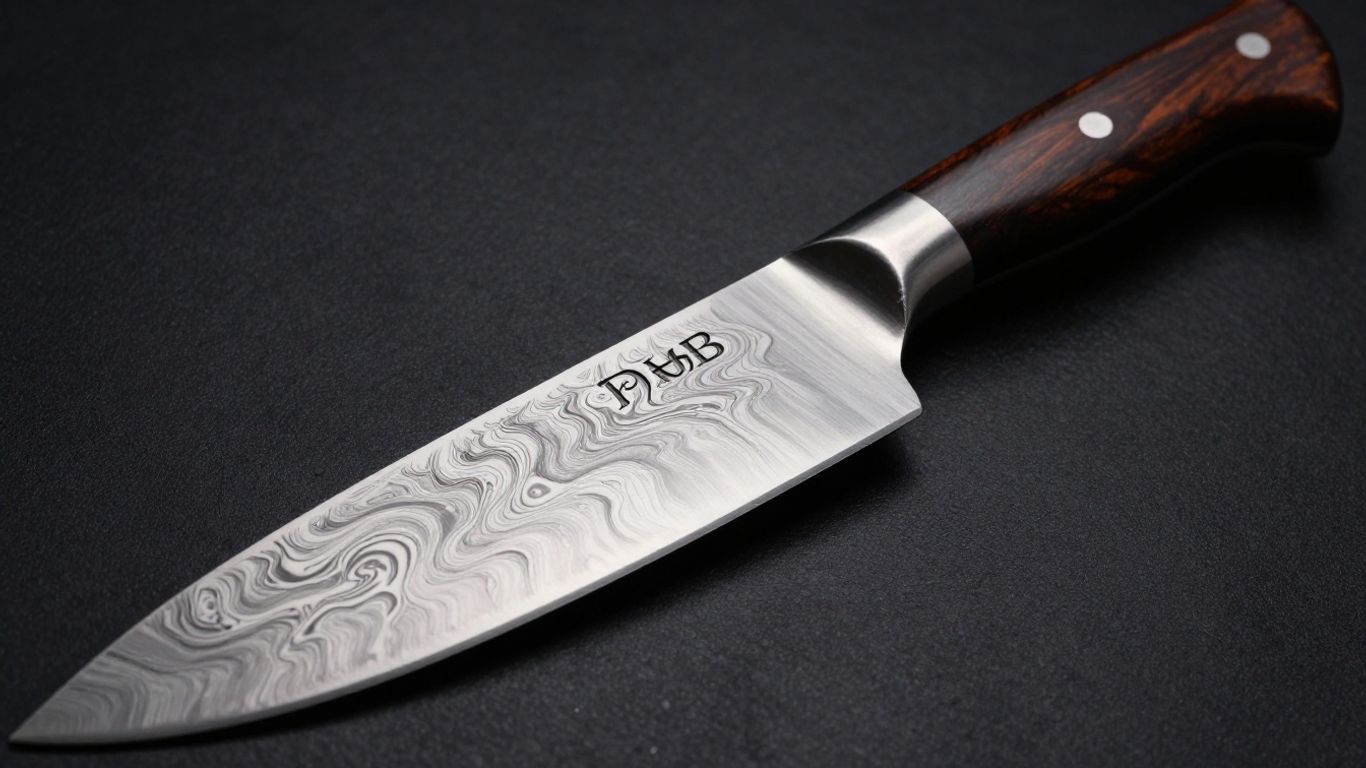
Owning a Damascus knife is like having a piece of art in your kitchen. These knives aren't just sharp; they're beautiful. The wavy, layered pattern you see isn't just for looks – it's a sign of how the steel was made. Modern Damascus knives usually have a super-strong steel core for the cutting edge, wrapped in layers of patterned stainless steel. This gives you a blade that's incredibly sharp and also resists rust. It’s the best of both worlds: top-notch cutting performance and a stunning, unique look that stays looking good.
Modern Damascus steel is made by forging and folding different types of steel together. This process creates the distinctive patterns. While traditional methods are rare and expensive, today's techniques give us knives that are both functional and visually striking. The layered construction makes the blade hard enough to hold a sharp edge but also gives it a bit of flexibility, which helps prevent chips.
Why Proper Care is Essential
Even the most amazing knife won't perform well if it's not taken care of. Think of it like a high-performance car – it needs regular maintenance to keep running smoothly. For your Damascus knife, proper care means it will stay sharp, won't rust, and will keep its beautiful pattern for a long, long time. Neglecting it can lead to a dull blade, rust spots, or even damage that's hard to fix. Taking a little time to clean, dry, and sharpen your knife will make a huge difference in how it performs and how long it lasts.
Consistent care prevents rust and keeps the edge keen. It’s about preserving the craftsmanship. A well-maintained knife makes cooking easier and safer. You'll find that slicing is cleaner, prep work is faster, and you have more control when you're cutting.
A sharp knife is a safe knife. It requires less force to cut, reducing the chance of slips and accidents.
Benefits of a Well-Maintained Blade
Taking good care of your Damascus knife brings some great rewards. First off, it performs better. Every cut will be smooth and precise, making meal prep a breeze. Your knife will also last much longer – we're talking decades, not just a few years. The unique Damascus pattern will stay bright and clear, free from rust or dullness. Plus, as we mentioned, a sharp knife is safer to use than a dull one because it doesn't slip as easily.
Here’s a quick look at what you gain:
- Better Performance: Effortless slicing and dicing.
- Longevity: Your knife becomes a tool that lasts a lifetime.
- Preserved Beauty: The signature pattern remains vibrant and rust-free.
- Safety: Reduced risk of accidents due to a sharp, reliable edge.
When you put in the effort to maintain your knife, you're not just keeping a tool in good shape; you're preserving a piece of art. For tips on keeping your blade in top condition, check out how to care for your Damascus knife. Proper maintenance ensures your knife remains a joy to use for years to come.
Essential Cleaning and Drying Techniques
Keeping your premium Damascus knife clean and dry is more than just about looks; it's key to its longevity and performance. Think of it like giving your car a wash and wax – it protects the finish and keeps things running smoothly. For a Damascus blade, this means preventing rust and maintaining that beautiful layered pattern.
Preparing Your Workspace for Cleaning
Before you even pick up your knife, get your cleaning station ready. You want a clean, well-lit spot where you can work without distractions. A stable surface is a must, and having your supplies within easy reach makes the whole process much smoother and safer. It's not complicated, but a little prep goes a long way.
Here’s what you’ll want on hand:
- Soft cloths: Microfiber is ideal for wiping without scratching.
- Mild soap: Gentle dish soap works best.
- Warm water: Not too hot, not too cold.
- A clean towel: For immediate drying.
A clean, organized space helps prevent accidents and makes sure you don't miss any spots on the blade.
Gentle Blade Cleaning Methods
When it's time to clean your Damascus knife, remember that gentleness is key. These blades are works of art, and harsh scrubbing can damage them. The best approach is usually right after you've used the knife, especially if you've cut anything acidic like tomatoes or citrus.
- Rinse: Start by rinsing the blade under warm running water to remove loose food bits.
- Wash: Use a soft cloth or sponge with a little mild dish soap. Gently wipe the blade from the spine towards the edge, and from the handle towards the tip. Pay attention to the area where the blade meets the handle, as food can get stuck there.
- Rinse again: Make sure all soap is washed away.
Never, ever put your Damascus knife in the dishwasher. The high heat, harsh detergents, and jostling can ruin the blade and the handle. Hand washing is the only way to go. If you're looking for more detailed advice on caring for your specific knife, exploring premium Damascus knives can offer insights into their unique needs.
The Importance of Immediate Drying
This is perhaps the most critical step after washing. Moisture is the enemy of Damascus steel, leading to rust and discoloration. As soon as you've finished rinsing, grab a clean, soft towel – microfiber is perfect – and dry the entire knife thoroughly. Don't just pat it dry; make sure you get into all the nooks and crannies, especially around the handle. After drying, you can let it air dry completely, perhaps standing it up in a knife block or hanging it, to be absolutely sure no moisture remains. Skipping this step is a fast track to damaging your beautiful blade.
Mastering the Art of Sharpening and Honing
Keeping your premium Damascus knife sharp is key to its performance and your safety in the kitchen. It's not just about having a sharp edge; it's about maintaining that edge correctly. This involves two main techniques: honing and sharpening. They sound similar, but they do different jobs.
Honing: Realigning Your Edge for Precision
Honing is like a quick tune-up for your blade. When you cut things, the very fine edge of your knife can get tiny bends or rolls in it. Honing doesn't remove metal; it gently straightens these microscopic imperfections. This makes the knife feel sharp again and cut more cleanly.
Think of it as putting a bent ruler back into shape. It's much faster than making a whole new ruler, right? Honing is the same for your knife edge.
Here’s how to do it right:
- Stability First: Place your honing rod (steel, ceramic, or diamond) vertically on a stable surface, like a folded towel. This stops it from slipping.
- The Right Angle: Hold your knife at about a 15-20 degree angle to the rod. Keeping this angle consistent is important.
- Smooth Strokes: Gently glide the blade down the rod, from the heel (the part closest to the handle) to the tip. Use light, even pressure.
- Alternate Sides: Do about 6-10 strokes on one side, then switch to the other. This keeps the edge even.
Do this regularly, maybe before each big cooking session or after a few uses. It makes a big difference in how your knife cuts.
Honing is about realigning the edge, not removing metal. It's a maintenance step that keeps your knife performing well between full sharpenings.
Whetstone Sharpening: Restoring True Sharpness
When honing doesn't bring back the sharpness, it's time for whetstone sharpening. This process actually removes a tiny bit of metal to create a brand-new, sharp edge. It's more involved than honing and is needed less often, usually when the knife feels dull even after honing.
For modern Damascus knives, especially those with a high hardness rating (HRC), using the right whetstone is important. Fine-grit Japanese stones or ceramic stones are often best.
Here’s a basic guide to using a whetstone:
- Soak the Stone: Most whetstones need to be soaked in water for about 10-15 minutes before use. Check the manufacturer's instructions.
- Set Up: Place the soaked stone on a non-slip surface. Use the coarser grit side first (often around 1000 grit).
- Sharpening Motion: Maintain that 15-20 degree angle. Move the blade across the stone in smooth, diagonal strokes, covering the entire edge from heel to tip. Repeat on both sides.
- Refine the Edge: Once you've worked the coarse side, flip the stone to the finer grit side (like 6000 grit or higher). This polishes the edge, making it super sharp.
- Clean Up: After sharpening, rinse your knife and dry it immediately. A light coat of oil can help protect it.
When to Sharpen vs. When to Hone
Knowing when to use which technique is key to proper knife care. It's not a one-size-fits-all situation.
| Technique | Purpose | Frequency | Tools Needed |
|---|---|---|---|
| Honing | Realigns the knife’s edge without removing metal | After every few uses or before critical tasks | Steel, Ceramic, or Diamond Honing Rod |
| Whetstone Sharpening | Restores sharpness by removing a thin layer of metal | Every few months or when the knife feels dull | Dual-grit whetstone (e.g., 1000/6000 grit) |
Regular honing keeps your knife ready for daily tasks. Sharpening is for when the edge has truly dulled and needs to be reshaped. By understanding and practicing both, you'll keep your premium Damascus knife performing beautifully for years.
Protecting Your Investment: Oiling and Storage
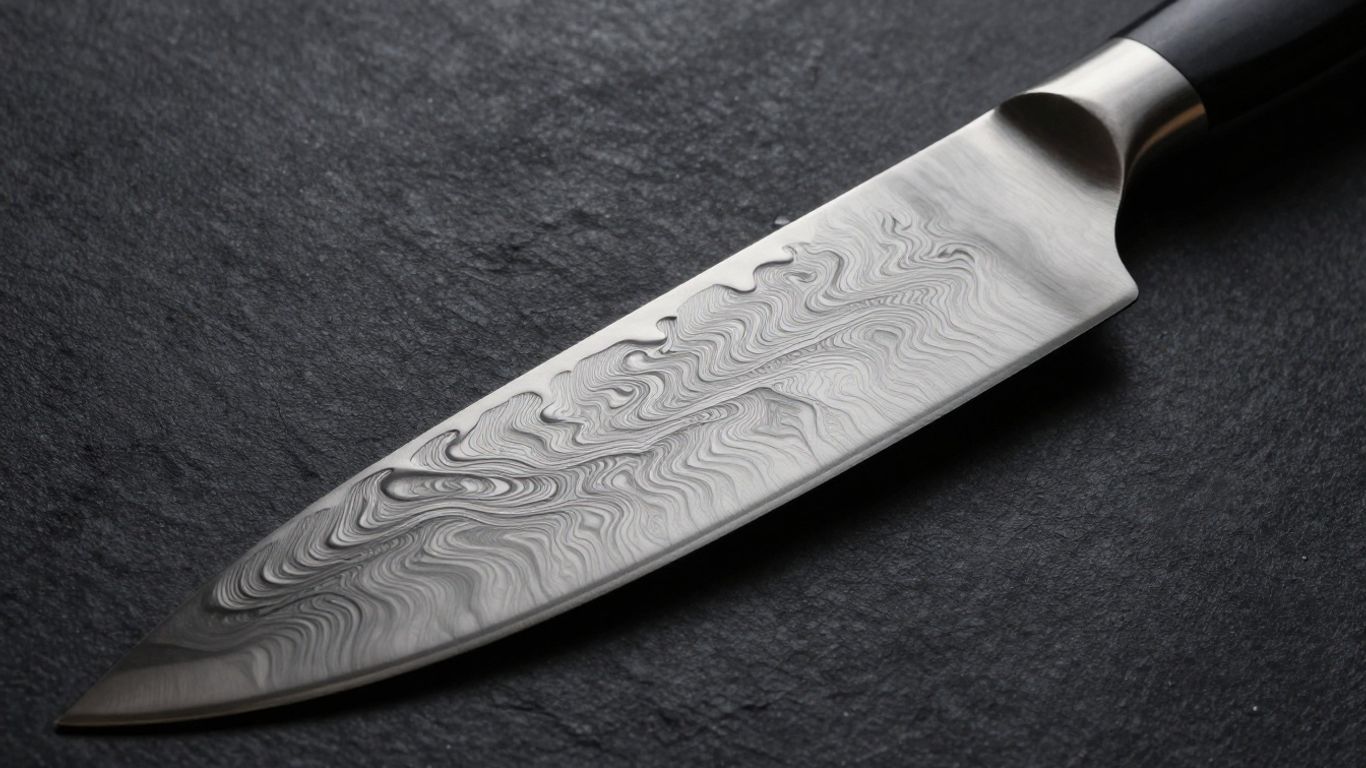
Taking good care of your premium Damascus knife means more than just cleaning it. You also need to protect it from the elements and store it properly. This keeps it looking good and working well for a long time.
Choosing the Right Protective Oil
Oiling your knife is like giving it a shield against moisture and rust. For knives you use often, a light coat of food-grade mineral oil or even olive oil works well. It adds a bit of shine and keeps the blade safe from everyday humidity.
If your knife is going to sit for a while, you'll want something a bit more robust. Think about using gun oil or specialized knife waxes like Museum wax or Renaissance wax. These create a longer-lasting barrier.
- For regular use: Food-grade mineral oil or olive oil.
- For long-term storage: Gun oil, Museum wax, or Renaissance wax.
- Avoid: Oils with silicon, as they can actually encourage rust.
Safe Storage Solutions for Your Knife
Where you keep your knife matters. The goal is to keep it dry and safe from bumps or damage. A good storage spot prevents the blade from getting nicked and keeps it away from moisture.
Here are a few good ways to store your knife:
- Knife Blocks: These wooden blocks keep each knife separate and protected. They look nice on the counter too.
- Magnetic Strips: These are great for displaying your knives. They keep the blades from touching anything and make them easy to grab.
- Blade Guards or Sheaths: If you're putting your knife in a drawer or taking it somewhere, a sheath or guard is a must. It protects the blade and keeps you safe.
Never toss your Damascus knife in the dishwasher. It's a fast way to ruin the blade and the handle. Always hand wash and dry it right away.
Avoiding Common Storage Pitfalls
There are a few things you should definitely avoid when storing your knife. These mistakes can lead to rust, damage, or even accidents.
- Don't store in humid places: Bathrooms or damp basements are bad news. If your storage area is a bit humid, consider adding silica gel packets to absorb moisture.
- Avoid metal drawers or bins: These can scratch the blade, and it's easy to accidentally cut yourself reaching into them.
- Keep away from extreme heat and sun: Direct sunlight can fade handles and weaken glues. High heat can dry out wooden handles and strip away protective oils.
Assessing and Maintaining Blade Quality
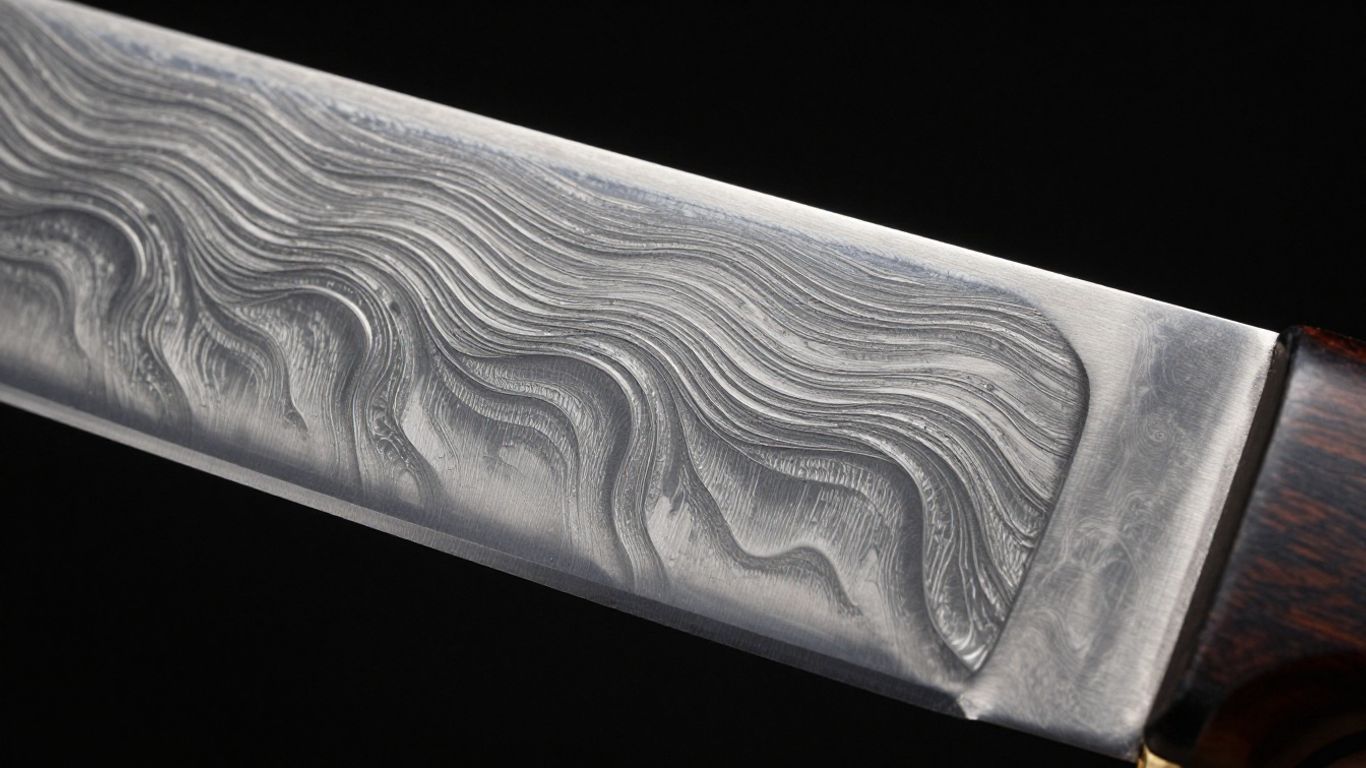
Keeping your premium Damascus knife in top shape means regularly checking its condition. It's not just about how it looks; it's about how it performs. A little attention can go a long way in making sure your knife stays a reliable tool in your kitchen.
Visual Inspection for Edge Integrity
Start by looking closely at the blade. You're checking for any tiny nicks, chips, or unevenness along the very edge. Sometimes, food particles can get stuck, so gently wipe the blade clean with a soft cloth. Also, look at the surface of the blade for any signs of discoloration or rust, which could indicate a need for better cleaning or oiling.
Performance Tests for Sharpness
How does the knife actually cut? A simple way to check is the paper test. Hold a piece of paper by one edge and try to slice through it with your knife. A sharp knife should make a clean, smooth cut without tearing. You can also test it on different food items – does it glide through an onion, or does it require a lot of force? How it handles various textures tells you a lot about its sharpness.
A knife that requires significant pressure to cut through common ingredients is likely dull and needs attention. Don't force it; address the edge first.
Troubleshooting Minor Blade Issues
If you notice the edge isn't perfect, don't panic. Small issues can often be fixed. For a slightly uneven edge, honing might be all you need to realign it. If the edge feels generally dull, it's time for sharpening. If you see minor rust spots, clean them off immediately with a soft cloth and a bit of oil, then dry thoroughly. For more serious damage, like a large chip, it might be best to consult a professional.
Here’s a quick look at common issues and what to do:
- Dullness: Requires sharpening to restore the cutting edge.
- Slightly Uneven Edge: Honing can often realign the microscopic edge.
- Minor Rust Spots: Clean gently with oil and a soft cloth, then dry completely.
- Visible Chips or Cracks: May require professional repair or replacement.
Wrapping It Up
So, there you have it. Taking care of your Damascus knife isn't some big, scary chore. It really just boils down to a few simple habits: clean it right after you use it, dry it off completely, give it a little oil now and then, and store it somewhere safe. Doing these things means your knife will keep cutting like a dream and look good doing it for a really long time. Think of it as treating a good tool right – it'll pay you back with better performance and last way longer. Happy cooking!
Frequently Asked Questions
How do I know if my Damascus knife needs sharpening?
If your knife starts to struggle when slicing through food or crushes ingredients instead of cutting them cleanly, it's a good sign that it needs sharpening. A sharp knife makes clean cuts with little effort.
Can I use an electric knife sharpener on my Damascus knife?
It's best to avoid electric sharpeners for Damascus knives. They can be too aggressive and might remove too much metal, potentially damaging the unique patterned finish and the blade's edge.
What kind of oil is best for my Damascus knife?
For protecting your Damascus knife, use a food-safe mineral oil or camellia oil. These oils create a protective barrier against moisture and help prevent rust without harming you when you prepare food.
Do Damascus knives rust easily?
While Damascus steel is often made with stainless steel layers, the high-carbon core steel can still rust if not cared for. Prolonged exposure to water or acidic foods can cause rust spots, so it's important to clean and dry it right away.
Is honing the same as sharpening?
No, they are different. Honing realigns the tiny bends in your blade's edge, making it feel sharp again without removing metal. Sharpening actually removes metal to create a new, sharp edge. Both are important, but honing is for regular touch-ups and sharpening is for when the edge is truly dull.
Can I sharpen my Damascus knife at home?
Yes, you can sharpen Damascus knives at home! With the right tools, like a good whetstone, and a bit of practice, you can achieve professional-level sharpness. Just be patient and careful.


