
Unlocking the True Custom Knife Value: A Comprehensive Guide
by Marco Castro on Feb 07, 2026

So, you’ve got a knife, maybe one you’ve had for ages or just picked up. But how do you figure out what it's really worth? It’s not just about the price tag, you know. There are a bunch of things that go into the actual custom knife value. We’re going to break down what makes a knife special, from the steel it’s made from to how it feels in your hand. Let’s figure out what makes a knife truly valuable.
Key Takeaways
- The kind of steel used for the blade, like its hardness and how well it holds an edge, really matters for a knife's value.
- How a knife is put together, including the handle's comfort and the tang type for strength, plays a big part.
- The maker's reputation and if the knife is part of a special or limited run can increase its worth.
- How well a knife performs for different jobs and how easy it is to take care of affects its long-term value.
- Figuring out the true custom knife value means looking at the quality, how much it costs, and if it fits what you actually need.
Understanding The Core Components Of Custom Knife Value
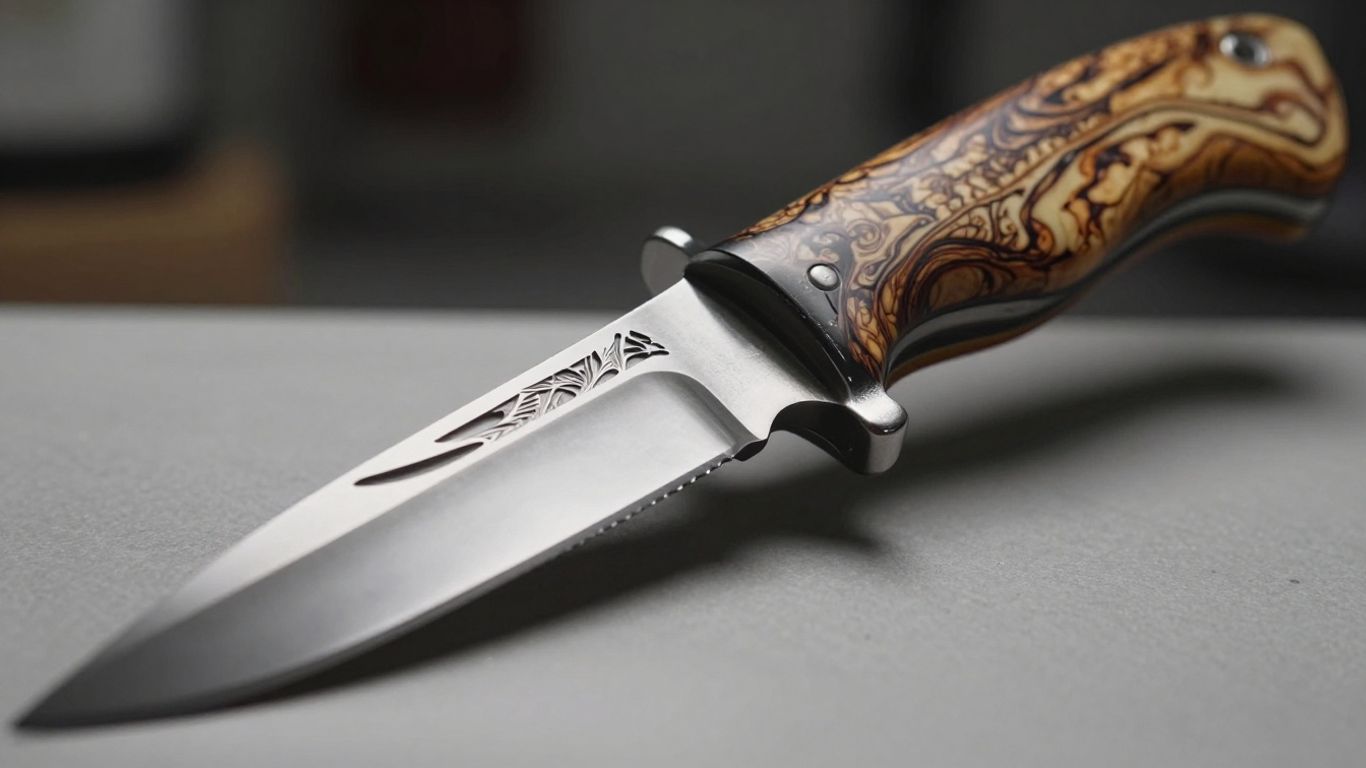
When you're looking at a custom knife, it's easy to get caught up in how cool it looks. But to really know what you're getting, you need to look at what makes it tick. Think of it like buying a car – you wouldn't just pick the one with the shiniest paint, right? You'd want to know about the engine, the build quality, and how it handles. Knives are pretty similar. The materials used, how it's put together, and even the little details all add up to its worth and how well it'll work for you.
Blade Material And Its Impact On Value
The blade is the heart of any knife, and what it's made of makes a big difference. Steel is the most common material, but not all steel is created equal. High-carbon stainless steel is a popular choice because it holds an edge well and doesn't rust easily. You'll often see ratings like Rockwell hardness, which tells you how tough the steel is. A higher number generally means it can stay sharp longer, but it can also make the blade more brittle if it's too high.
Some steels are known for their toughness and ability to take a beating, while others are prized for how sharp they can get and how long they keep that edge. The type of steel affects everything from how it performs during use to how much care it needs.
Handle Construction And Ergonomics
After the blade, the handle is what you'll be holding onto. A good handle should feel comfortable and secure in your hand, no matter what you're doing. This is where ergonomics come in. Does it fit your grip? Does it feel balanced? Materials like wood, micarta, or G10 all have different feels and durability. Some might look fancy, but if they're slippery when wet or too bulky, they won't be as practical.
Think about how you'll be using the knife. If it's for long periods or tough tasks, a comfortable, non-slip grip is super important. A poorly designed handle can lead to hand fatigue or even accidents.
Tang Type: A Measure Of Durability
The tang is the part of the blade that extends into the handle. It's a key indicator of a knife's strength. There are a few main types:
- Full Tang: The metal of the blade runs all the way through the handle. This is generally the strongest and most durable option, as it provides a solid foundation.
- Half Tang (or Partial Tang): The tang only goes partway into the handle, often about halfway. This is less common in high-quality custom knives.
- Stick Tang: The tang is a narrow piece of metal that goes into the handle, often secured with pins or glue. This is typically found in less robust knives.
A full tang means the knife is built to last and can handle more demanding work without worrying about the handle breaking off. It's a sign that the maker put thought into the knife's overall strength and longevity.
The way a knife is constructed, from the steel in its blade to how the handle is attached, directly impacts its performance and how long it will serve you well. Paying attention to these core components helps you understand the real value beyond just the price tag.
Assessing The Craftsmanship And Finish
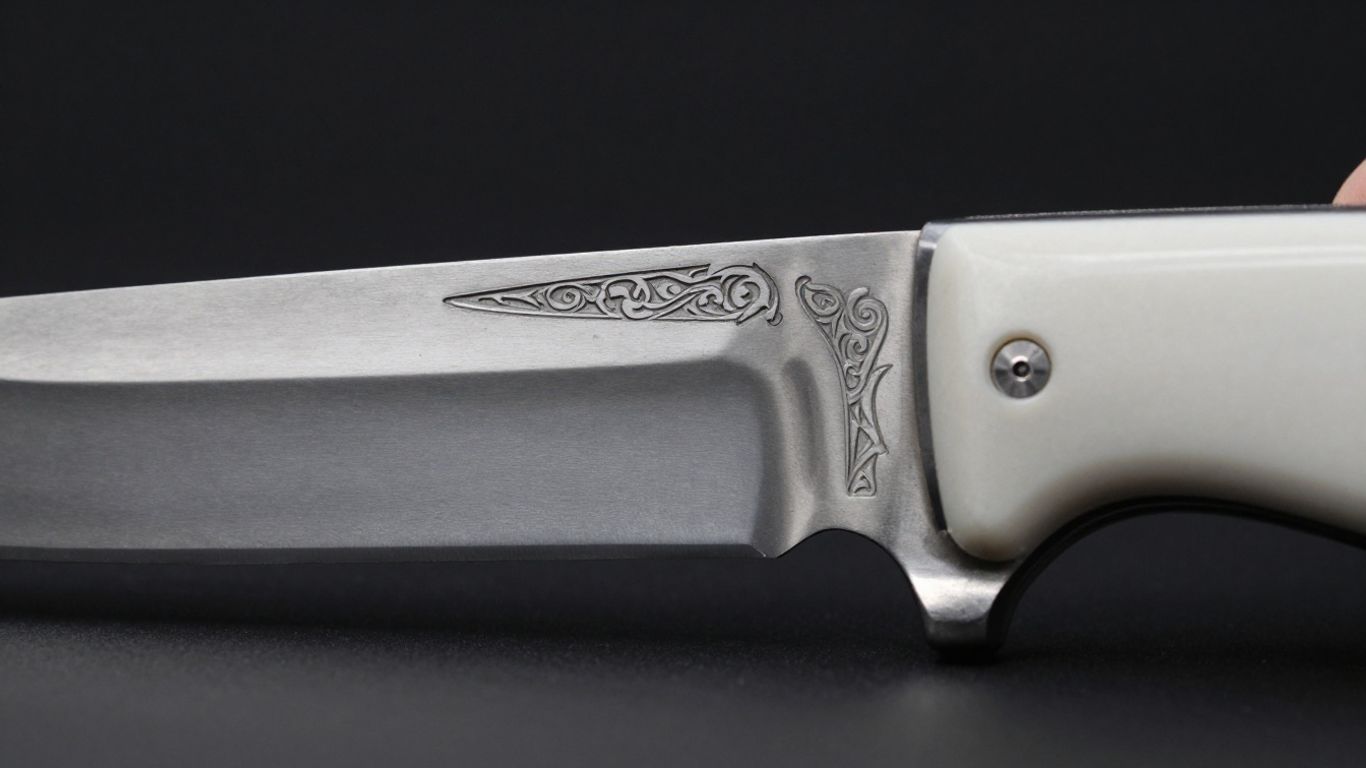
When you're looking at a custom knife, how it's put together and how it looks really matters. It's not just about the steel; it's about the skill that went into making it. This is where you can often tell the difference between a mass-produced item and something made with real care.
The Art Of Forging Versus Stamping
How a blade is made has a big effect on its strength and how well it holds an edge. You'll usually see two main methods: forging and stamping.
- Forged Knives: These start as a single piece of steel that's heated and hammered into shape. Think of it like a blacksmith working metal. This process aligns the steel's grain, making the blade tougher and more resistant to chipping. It's a more labor-intensive method, often resulting in a thicker spine and a more robust feel.
- Stamped Knives: These are cut out from a flat sheet of steel, kind of like using a cookie cutter. They're generally lighter and can be made more quickly. While modern stamping techniques have improved a lot, forged blades often have an edge in terms of pure durability and how well they handle stress over time.
The way a blade is formed, whether through the intense heat and hammering of forging or the precise cutting of stamping, directly influences its internal structure and, consequently, its long-term performance and resilience.
Edge Retention And Hardness Ratings
This is all about how sharp the knife can get and how long it stays that way. It's often measured using the Rockwell hardness scale (HRC).
- Hardness: Higher HRC numbers mean the steel is harder. A harder blade can hold a sharper edge for longer. However, steel that's too hard can become brittle and prone to chipping.
- Edge Retention: This refers to how long the blade stays sharp under normal use. Good edge retention is a sign of quality steel and proper heat treatment. You'll want a knife that doesn't dull after just a few cuts.
- Heat Treatment: This is a critical step where the steel is heated and cooled in specific ways to achieve its best properties. A skilled maker knows how to heat treat their chosen steel to get the right balance of hardness and toughness.
Finishing Touches: Polishing And Cladding
Once the blade is shaped and hardened, the final finish makes a big difference in both looks and function.
- Polishing: This is the process of smoothing the blade's surface. Finishes can range from a rough, utilitarian look to a mirror-like shine. A good polish not only looks nice but can also help protect the blade from rust and make cleaning easier.
- Cladding: Sometimes, a harder steel core is wrapped in a softer, more corrosion-resistant steel. This is common in Japanese knives and is called cladding. It offers a good balance of sharpness, edge retention, and rust resistance.
- Grind: The way the blade is sharpened, or ground, also affects its cutting ability. Different grinds are suited for different tasks. A well-executed grind is sharp, consistent, and looks clean.
Brand Reputation And Series Significance
When you're looking at custom knives, the maker's name and the specific line of knives they produce can tell you a lot. It's not just about the steel or the handle; it's about the history, the consistency, and the reputation built over time. Think of it like buying a car – a certain brand might be known for reliability, while another is famous for luxury. The same applies to knives.
Exploring Renowned Knife Series
Many custom knife makers have signature series that become highly sought after. These series often represent the pinnacle of their design philosophy and craftsmanship. For example, a maker might have a "Heritage" line that uses traditional methods and materials, or a "Tactical" series focused on ruggedness and performance. Knowing these series helps you understand what the maker prioritizes and what kind of user they're designing for. Some series become so popular they develop a cult following, with collectors eagerly anticipating new releases.
- Consistency: A well-established series usually means the maker has refined the design and production process. You can generally expect a similar level of quality across different knives within that series.
- Design Language: Each series often has a distinct aesthetic. Whether it's sleek and modern or rustic and utilitarian, this visual identity is part of its appeal.
- Target Audience: Series are often tailored to specific uses, like kitchen work, outdoor adventures, or everyday carry. This helps you find a knife that fits your needs.
The Value Of Limited Editions And Exclusivity
Limited edition runs are a big deal in the custom knife world. Makers might produce a small batch of a particular model, perhaps with unique materials, special finishes, or collaborations. Once they're gone, they're usually gone for good. This scarcity drives up demand and, consequently, the price. Owning a limited edition knife can feel special, like having a piece of art that not many others possess.
Limited runs create a sense of urgency and collectibility. They often feature unique details that set them apart from standard production models, making them highly desirable for enthusiasts.
Brand Trust And Customer Reviews
Beyond specific series, the overall reputation of the brand or maker is paramount. Positive customer reviews and a history of good customer service build trust. If a maker consistently gets high marks for durability, performance, and standing behind their products, that's a strong indicator of quality. Conversely, a brand with a lot of negative feedback or complaints about customer support might be one to approach with caution, no matter how good a particular knife looks on paper.
- Warranty: Does the maker offer a good warranty? This shows they believe in their product's longevity.
- Community Feedback: Look at forums, social media, and review sites. What are actual users saying about their experiences?
- Longevity: Has the brand been around for a while, consistently producing good knives? This track record is a significant factor.
Performance And Practicality In Use
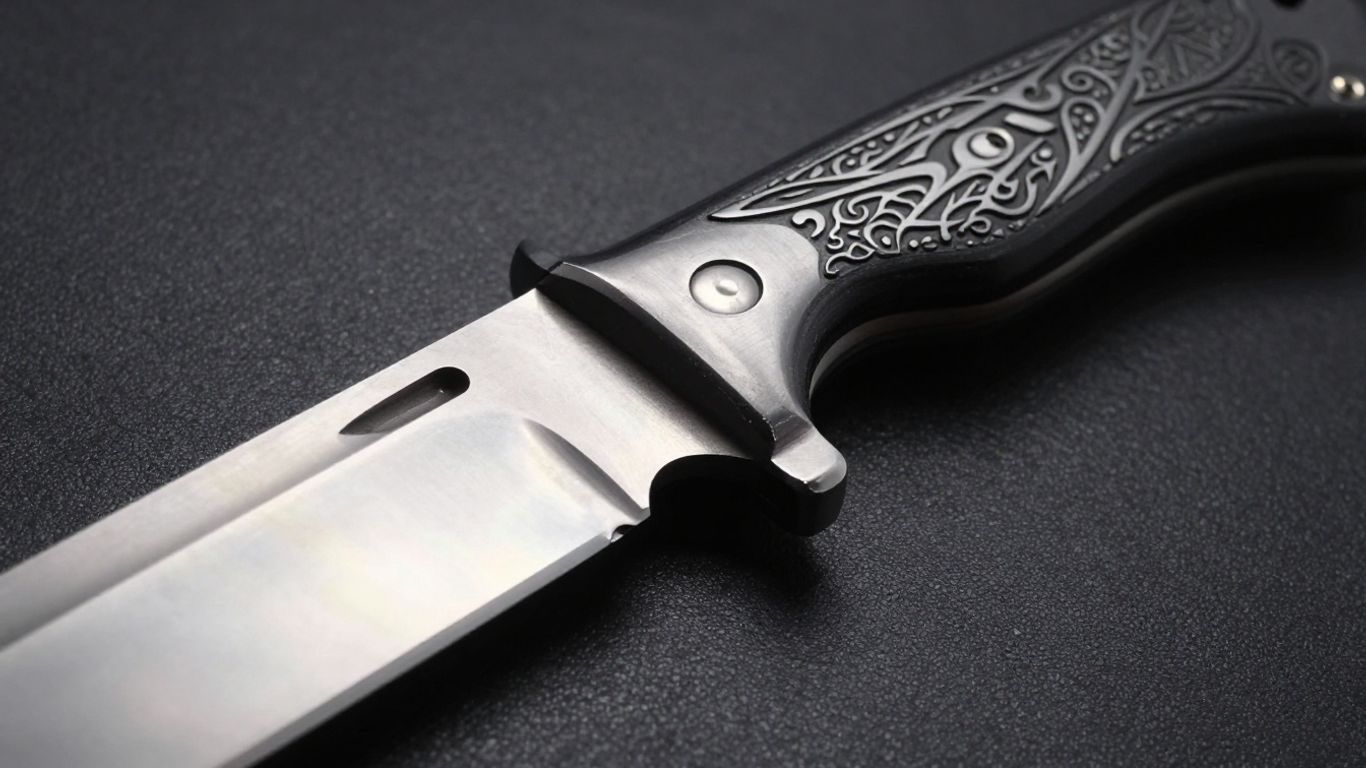
A custom knife isn't just about looks; it's about how it performs when you actually need it. We're talking about how it feels in your hand and how well it handles the jobs you throw at it. Think about it, a knife that looks amazing but is awkward to hold or can't cut through a tomato without squishing it isn't much good, is it?
Versatility Across Different Cutting Tasks
Some knives are made for one specific job, like shucking oysters or slicing bread. Others are more like the Swiss Army knife of the kitchen – they can do a bit of everything. A good all-around knife should be able to handle chopping vegetables, slicing meats, and maybe even dicing some herbs. It’s about finding a knife that fits into your workflow without you having to constantly switch tools. For instance, a knife with a taller blade often gives you more clearance, which is handy when you're dicing a pile of onions or potatoes. It means your knuckles don't bash against the cutting board.
Comfort And Control During Use
This is where ergonomics really comes into play. How does the handle feel? Is it too big, too small, or just right? A comfortable grip means you can use the knife for longer without your hand getting tired or sore. It also means you have better control, which is super important for safety and for making clean cuts. Some handles are made from materials like G10 Garolite, which offer a good grip even when wet. Others might have a specific shape designed to fit your hand naturally. It’s a personal thing, really. What feels great to one person might not work for another.
Maintenance Requirements And Longevity
Let's be honest, nobody wants a knife that's a pain to take care of. Some blades, especially those with intricate patterns or special coatings, might need a bit more attention. For example, knives with Damascus patterns, while beautiful, often require specific care to keep them looking their best. This can include regular oiling to prevent rust and careful cleaning. You'll want to know how easy it is to sharpen the blade too. Serrated edges, while great for slicing, can be tricky to sharpen at home. A knife that’s easy to maintain and holds its edge well will serve you better in the long run. It’s worth considering how much time and effort you’re willing to put into upkeep. A well-maintained knife, like those needing proper care for Damascus blades, can last a lifetime.
The true test of a knife's worth isn't just its sharpness out of the box, but how it performs day after day, task after task, and how it feels in your hand while doing it. Practicality and comfort are just as important as the materials it's made from.
Factors Influencing Custom Knife Pricing
The Role Of Steel Quality In Cost
When you're looking at a custom knife, the steel used for the blade is a big deal. Different steels have different properties – some hold an edge longer, some are tougher, and some resist rust better. High-end steels, like certain types of stainless steel or high-carbon alloys, cost more to produce. This higher material cost naturally gets passed on to the final price of the knife. Think of it like building a house; you can use basic lumber or premium hardwoods, and the price will reflect that choice.
Labor Intensity And Manufacturing Processes
How a knife is made really affects its price. Knives that are forged, meaning a block of steel is heated and hammered into shape, take a lot more time and skill than knives that are stamped out from a sheet of metal. Forging creates a stronger, more refined blade. Then there's the finishing – hand-sharpening, polishing, and fitting the handle all add to the labor involved. More intricate work and longer production times mean a higher price tag. It's the difference between a mass-produced item and something crafted by hand.
Warranties And After-Sales Support
Sometimes, the price you pay includes more than just the knife itself. A good warranty, for example, shows the maker's confidence in their product. If a company offers a lifetime warranty or a strong guarantee against defects, that peace of mind comes at a cost. It means they're willing to stand behind their work, which can add to the initial price but might save you money in the long run if something goes wrong. Good customer service and support after you buy can also be factored into the overall value and price.
Identifying True Custom Knife Value
So, you've looked at the blade, the handle, the brand, and how it performs. Now, how do you actually figure out if a custom knife is worth the price tag? It's not just about the numbers; it's about finding that sweet spot where quality, performance, and your own needs line up. Let's break down how to spot a knife that's truly a good buy.
Balancing Cost With Quality
When you're looking at a custom knife, the price can sometimes make your eyes water. But remember, you're not just paying for steel and a handle. You're paying for the skill, the time, and the attention to detail that went into making it. A knife made from high-quality steel, like some of the Damascus Steel Bowie Knives you might see, with a well-balanced design and a flawless finish, will naturally cost more than something mass-produced. Think about it like buying a handmade piece of furniture versus something from a big box store. The craftsmanship is where a lot of the value lies.
It's helpful to compare what you're getting for the price. Does the steel hold an edge well? Is the handle comfortable and durable? Does the maker have a good reputation for quality? If a knife feels solid, performs well, and looks like it was made with care, the price often reflects that.
Long-Term Investment Versus Initial Price
Sometimes, spending a bit more upfront can save you money and hassle down the road. A well-made custom knife is often built to last a lifetime, maybe even longer. Consider the materials used and how they hold up. A full tang construction, for example, means the metal of the blade extends all the way through the handle, making it much stronger and less likely to break. This kind of durability means you won't be replacing the knife anytime soon.
Think about maintenance, too. Some knives might require more care than others, but if that care leads to a longer lifespan and better performance, it's often worth it. A knife that you can rely on for years, performing consistently well, is a smart investment. It's not just a tool; it's something you can pass down.
Personal Needs and Preferences
Ultimately, the best custom knife for you is the one that fits your specific needs and how you plan to use it. A chef might need a different knife than a hunter or someone who just wants a reliable EDC (everyday carry) blade. What tasks will you be performing most often? Do you prefer a lighter knife or something with more heft? What kind of grip feels best in your hand?
Don't get too caught up in trends or what everyone else is buying. The most valuable knife is the one that feels right in your hand, performs the tasks you need it to, and brings you satisfaction every time you use it. Your personal connection to the tool is a big part of its value.
Consider these points when making your choice:
- Intended Use: Will it be for kitchen prep, outdoor adventures, or general utility?
- Ergonomics: How does the handle feel? Is it comfortable for extended use?
- Aesthetics: While performance is key, do you also appreciate the knife's look and style?
- Maintenance: Are you prepared for the upkeep required for certain materials or finishes?
Wrapping It All Up
So, we've gone through a lot, haven't we? From understanding what makes a knife truly special to figuring out how to keep it in top shape, it's quite a journey. It’s not just about owning a sharp tool; it’s about appreciating the craft, the materials, and the care that goes into it. Whether you're a seasoned pro or just starting to build your collection, remember that the right knife can make a world of difference in the kitchen, or wherever your adventures take you. Keep learning, keep experimenting, and most importantly, keep those blades sharp and ready for action. Happy cutting!
Frequently Asked Questions
What makes a custom knife worth more money?
A custom knife's value goes up with better materials, like strong steel for the blade and comfy, tough stuff for the handle. How well it's made, like if it was hammered into shape instead of just cut out, also matters a lot. Plus, if a famous maker or a special series made it, that can boost the price too.
How important is the type of steel used in a knife?
The steel is super important! Different steels are good for different things. Some keep their sharp edge longer, others are tougher and won't break easily, and some resist rust better. High-quality steel means the knife will last longer and work better, which adds to its value.
What's the difference between a forged and a stamped knife?
Imagine a forged knife is like a sculpture, hammered and shaped from a solid piece of metal – it's usually stronger and more balanced. A stamped knife is cut out from a flat sheet, like cookies from dough. Stamped ones are often lighter and cheaper to make, but forged knives tend to be more durable and valuable.
Does the brand name really affect a knife's price?
Yes, it can! Well-known brands often have a good reputation for making reliable, high-quality knives. People trust these brands, so they're willing to pay more for them. Think of it like buying a popular car brand; you often pay a bit extra for the name and the quality it represents.
What does 'full tang' mean, and why is it good?
'Tang' is the part of the blade that goes into the handle. A 'full tang' means the metal of the blade goes all the way through the handle. This makes the knife much stronger and less likely to break, especially when you're using it for tough jobs. It's a sign of good construction.
Is a more expensive custom knife always a better investment?
Not always. While pricier knives often use better materials and craftsmanship, the best value for *you* depends on what you need. A knife that's perfect for a specific job might be expensive, but if you only need a basic knife, a less costly one might be a better choice. It's about finding the right balance between cost, quality, and what you'll actually use it for.


