
Unlocking Superior Performance: Identifying the Best Steel for Your Hunting Knife
by Marco Castro on Feb 05, 2026

Picking the right steel for your hunting knife is a big deal, and honestly, it can feel a bit confusing with all the options out there. It’s not just about getting something sharp; it’s about finding a blade that’ll hold up to whatever you throw at it, whether that’s field dressing game or just general outdoor use. Think of it like choosing a reliable partner for your adventures. We’re going to break down what really matters so you can figure out the best steel for a hunting knife that fits your needs without all the confusing jargon.
Key Takeaways
- Figuring out the best steel for a hunting knife means looking at what you’ll actually use it for. A knife for slicing through meat needs different properties than one for chopping wood.
- Carbon content is important because it affects how hard the steel can get and how well it keeps an edge. More carbon often means better edge holding.
- Corrosion resistance is key, especially if you hunt in wet conditions. Stainless steels are generally better at fighting off rust.
- Edge retention is how long your knife stays sharp. Steels with hard carbides tend to hold an edge longer, but can be harder to sharpen.
- Toughness is about the steel’s ability to resist chipping or breaking, which is super important for a hunting knife that might take some abuse.
1. Understanding Your Needs
Alright, let's talk about picking the right steel for your hunting knife. It might sound complicated, but really, it's about figuring out what you're going to do with the knife. Think of it like choosing a tool for a specific job – you wouldn't use a hammer to screw in a bolt, right? Same idea here.
So, what kind of hunting are you doing? Are you field dressing big game where you'll be doing a lot of tough cutting and skinning? Or maybe you're more of a bushcrafter, using your knife for everything from making feather sticks to preparing food around the campsite? The tougher the tasks, the more you'll need a steel that can handle a beating.
Here are a few things to consider:
- What will you cut? Are we talking tough hides, bone, wood, or just general camp chores?
- How often will you use it? Is this an everyday carry, a weekend warrior, or a once-a-year hunting trip tool?
- What's your maintenance style? Are you someone who cleans and sharpens their knife after every use, or do you prefer something that can go a bit longer between touch-ups?
The environment where you hunt also plays a big part. If you're often in wet or humid conditions, rust resistance becomes a much bigger deal than if you're always in dry, arid areas.
Answering these questions will help point you in the right direction when we start looking at different steel types. It's not a one-size-fits-all situation, and knowing your own needs is the first step to finding that perfect blade.
2. Carbon Content Essentials
When you're looking at steel for a hunting knife, carbon content is one of the first things you'll want to get a handle on. Think of carbon as the backbone of the steel; it's the primary element that gives steel its strength and its ability to hold a sharp edge. More carbon generally means you can achieve a harder blade, which is great for cutting.
However, it's not quite as simple as 'more is always better.' There's a sweet spot, often around 0.80% carbon, where the steel uses the carbon most efficiently for hardness. Pushing much beyond that can actually start to cause problems during the hardening process, potentially making the steel more brittle. But, if the carbon stays in the steel as carbides after hardening, it can boost abrasion resistance.
Here's a quick look at how carbon content generally affects a steel:
- Lower Carbon (under 0.6%): Tends to be tougher and less prone to chipping, but might not hold an edge as long.
- Medium Carbon (0.6% - 0.8%): Offers a good balance of hardness and toughness, a common range for many good knives.
- High Carbon (over 0.8%): Can achieve very high hardness and excellent edge retention, but can be more brittle if not heat-treated properly.
So, for a hunting knife, you're often looking for a steel that can handle tough tasks without breaking. This means finding a good balance. A steel with too little carbon might get dull quickly during field dressing, while one with too much might be prone to chipping if you're prying or dealing with bone. It's a trade-off that makers have to consider carefully.
The amount of carbon in steel directly influences its potential hardness and how well it can keep a sharp edge. Finding the right level is key to making a knife that performs well for its intended job.
Understanding this balance helps explain why different steels are better suited for different tasks. For instance, a knife that needs to withstand a lot of abrasion might benefit from higher carbon, while a knife that might see more impact could need a bit more toughness, which often comes with slightly less carbon. It's all about matching the steel's properties to how you plan to use your Damascus steel hunting knife.
3. Corrosion Resistance Importance
Okay, so let's talk about rust. Nobody wants a knife that turns into an orange, flaky mess after a little bit of moisture. That's where corrosion resistance comes in. It's basically the steel's ability to fight off rust and other forms of decay that can happen when it gets wet or exposed to certain chemicals.
Think about it: if you're out hunting, your knife might get rained on, or if you're cleaning fish, it's going to get wet. Even just washing your knife after use can expose it to water. A steel with good corrosion resistance means you don't have to be super paranoid about drying it off the second it gets wet. It gives you a bit more freedom to use your knife without constant worry.
Here’s a quick look at what influences this property:
- Chromium Content: This is the big one. Generally, steels with 13% or more chromium are considered stainless and have good rust-fighting abilities. More chromium usually means better resistance.
- Carbon Content: While carbon makes steel hard and good at holding an edge, it can sometimes make it less resistant to corrosion. It's a bit of a balancing act.
- Alloying Elements: Other elements like molybdenum can also help boost corrosion resistance, especially in tougher environments.
For many hunters and outdoor enthusiasts, a knife that can handle the elements without degrading is a huge plus. It means less maintenance and more reliability when you need it most. A blade that stays clean and strong will perform better for longer, making it a more dependable tool for all your adventures.
Choosing a steel with good corrosion resistance is especially important if you plan on using your knife in wet conditions frequently, like near the ocean or in humid forests. It’s not just about looks; it’s about the longevity and dependable performance of your tool. You can find steels that offer a great balance of toughness and rust-fighting capabilities, like CPM-MagnaCut which is a popular choice for its all-around performance.
4. Edge Retention Significance
When you're out in the field, the last thing you want is a knife that goes dull after just a few cuts. That's where edge retention comes in. It's basically how well a knife's edge stays sharp over time and use. Think about skinning a deer or preparing a meal; a sharp knife makes the job easier and safer.
Certain elements in steel, like vanadium carbides, are really good at helping the edge hold up. This is why some steels, especially premium Japanese varieties, are so well-known for their ability to stay sharp. It means you can do more work between sharpenings, which is a big deal when you're miles from home.
Here's a quick look at what contributes to good edge retention:
- Hardness: Generally, harder steels can hold a sharper edge for longer. However, there's a limit; too hard and the edge can become brittle.
- Grain Structure: A fine, uniform grain structure in the steel helps the edge resist micro-chipping.
- Alloying Elements: Vanadium and tungsten, for example, form hard carbides within the steel that act like tiny, super-hard supports for the edge.
A knife's ability to retain its edge is directly tied to how well it can resist microscopic wear and chipping. This property is what separates a tool that performs consistently from one that quickly becomes frustrating to use.
Choosing a steel with good edge retention means you're investing in a knife that will be a reliable partner on your hunts. It's a key factor in making sure your knife is ready when you need it most. For example, the Classic Hunter knife is known for its excellent edge retention, making it a solid choice for many outdoor tasks.
5. Wear Resistance Necessity
When you're out in the field, maybe field dressing a deer or just doing some general camp chores, you want your knife to keep up. That's where wear resistance comes in. Think of it like this: the harder you use your knife, especially against tough materials, the more the edge can get worn down. Wear resistance is basically how well the steel can fight off that abrasion.
Steels with good wear resistance tend to have more carbides. These are tiny, hard particles within the steel that act like little shields against friction and scraping. The more of these, and the harder they are, the better the steel will resist wearing away.
Here's a quick look at what contributes to wear resistance:
- Carbide Content: More carbides generally mean better wear resistance. Vanadium and tungsten are elements that help form particularly hard carbides.
- Hardness: A harder steel can often resist wear better, but you have to be careful not to make it so hard that it becomes brittle.
- Alloying Elements: Elements like chromium, vanadium, and tungsten are added to steel specifically to boost its ability to resist wear.
So, if your knife is going to see a lot of action, maybe cutting through thick rope, wood, or even bone, picking a steel with high wear resistance is a smart move. It means your knife will stay sharper for longer and won't get damaged as easily from everyday use.
Choosing a steel with good wear resistance means your knife will hold up better to tough tasks. It's about making sure your blade can handle the work you throw at it without getting dull or damaged too quickly, saving you time and frustration in the long run.
6. Toughness versus Edge Retention
When picking out a knife steel, you're often looking at a bit of a balancing act between toughness and how well it holds an edge. It's not always an either/or situation, but understanding where a steel falls on this spectrum is pretty important for what you'll be doing with the knife.
Toughness, in knife terms, is basically how well the steel can handle impacts and shocks without chipping or breaking. Think about using a knife for chopping wood, prying something open, or even just dropping it. A tougher steel will be more forgiving and less likely to suffer damage. This resilience is key to a knife's overall durability.
Edge retention, on the other hand, is all about how long that sharp edge stays sharp. A steel with great edge retention means you can use your knife for a good while before needing to sharpen it. This is usually down to the steel's ability to resist wear and abrasion, often thanks to hard carbides within its structure.
So, why the trade-off? Generally, steels that are super hard to achieve excellent edge retention can sometimes be more brittle. Conversely, very tough steels might not hold an edge quite as long because they're a bit softer. The goal for many knife makers is to find that sweet spot, a steel that offers a good amount of both.
Here's a quick look at how these properties often play out:
- High Toughness, Moderate Edge Retention: These steels are great for hard-use knives where durability is paramount. They can take a beating but might need sharpening a bit more often.
- Moderate Toughness, High Edge Retention: These are your go-to for tasks where a razor-sharp edge is needed for a long time, like slicing through materials repeatedly. They're less forgiving of impacts.
- Balanced Toughness and Edge Retention: Many modern steels aim for this equilibrium, offering a solid performance across various tasks. These are often good all-around choices for hunting knives.
The ideal balance really depends on your specific needs. A knife meant for heavy camp chores might prioritize toughness, while a delicate skinning knife might lean more towards superior edge retention. It's about matching the steel's strengths to the knife's intended job.
7. Alloying Elements
So, we've talked about carbon, which is a big deal for steel's strength. But steel isn't just iron and carbon. "Alloying elements" are other metals and non-metals added to steel to give it special properties. Think of them like ingredients in a recipe, each one doing something specific to change the final outcome.
These additions can really change how a knife performs. For example, adding elements like vanadium or tungsten can make the steel much more resistant to wear. This means your knife edge will stay sharp for longer, even when cutting tough materials. Chromium is another common one; it helps a lot with resisting rust and corrosion, which is super important if you hunt in wet conditions or just want your knife to last.
Some elements are added to make the steel tougher, meaning it can take a beating without chipping or breaking. Nickel and silicon are good for this, acting like shock absorbers within the steel's structure. Others, like manganese and chromium, can make it easier to harden the steel properly, sometimes even allowing for gentler quenching methods than just plain water.
Here's a quick look at what some common alloying elements do:
- Chromium: Boosts corrosion resistance (especially over 11%) and helps with wear resistance.
- Vanadium: Great for wear resistance and can help increase hardness by forming tough carbides.
- Tungsten: Also excellent for wear resistance, forming very hard carbides.
- Manganese: Can help with hardenability, making it easier to get a good hard blade.
- Silicon: Improves toughness and can help with hardenability.
- Nickel: Primarily added for toughness, making the steel less brittle.
Understanding these additions is key. A steel with a lot of vanadium might be great for slicing through abrasive materials, while one with more chromium will be better suited for wet environments. It's all about matching the steel's "recipe" to what you need your knife to do.
When you're looking at different knife steels, you'll often see numbers and letters that tell you about these alloying elements. Knowing what they mean helps you pick a steel that's not just popular, but actually the right tool for your specific hunting needs. It's like knowing you need a Phillips head screwdriver for a Phillips head screw – using the wrong one just won't work as well, or at all.
8. Heat Treatments
Think of heat treatment as the secret sauce that makes good steel great. It’s not just about the raw ingredients of the steel itself; it’s how you cook it that really counts. This process involves carefully heating and then cooling the steel to change its internal structure, which in turn affects its hardness, toughness, and ability to hold an edge. Without the right heat treatment, even the best steel can end up being too soft, too brittle, or just not perform as well as it should.
Different steels need different heat treatments. Some steels are pretty forgiving and can handle a range of temperatures and cooling speeds. Others are more particular and require very specific conditions to reach their full potential. This is why two knives made from the exact same steel can perform so differently – the heat treatment was likely not the same.
Here’s a quick look at what heat treatment aims to achieve:
- Hardening: Heating the steel to a specific temperature and then cooling it rapidly (quenching) makes it hard. This is what allows the knife to hold a sharp edge.
- Tempering: After hardening, the steel can be too brittle. Tempering involves reheating it to a lower temperature and holding it there for a while. This reduces brittleness while retaining most of the hardness, giving the blade some flexibility.
- Annealing: This is a process of softening the steel, usually done before or after other treatments, to make it easier to work with or to relieve stress.
The goal of heat treatment is to find that sweet spot where the steel is hard enough to keep a sharp edge but tough enough to withstand impacts without breaking. It’s a delicate balance that makers spend a lot of time perfecting for each type of steel they use.
Getting the heat treatment just right is a big part of what makes a knife perform well in the field. It’s a complex science, but understanding its importance helps you appreciate the craftsmanship that goes into a quality blade. For example, achieving the right hardness in a Damascus steel hunting knife involves precise control over these heating and cooling cycles.
9. Powder Metallurgy vs Traditional Steel
When we talk about steel for knives, there are generally two main ways it's made: traditional methods and powder metallurgy. Think of traditional steelmaking like making a big pot of soup. You melt all the ingredients together, and while it works, sometimes the distribution of elements isn't perfectly even throughout the whole batch. This can lead to slight variations in the steel's properties.
Powder metallurgy, on the other hand, is more like making a super-smooth smoothie. The alloying elements are mixed together in a powdered form, and then this powder is compacted and sintered (heated to just below melting point) under high pressure. This process results in an incredibly uniform distribution of all the elements. What does this mean for your knife? It generally translates to a more consistent and often superior performance, with better edge retention and toughness. Steels made this way, like many of the CPM (Crucible Particle Metallurgy) steels, tend to be a bit pricier, but many knife enthusiasts find the performance boost well worth the investment. If you're looking for a knife that's good at pretty much everything, powder metallurgy steels are often a top choice.
Here's a quick look at the differences:
- Traditional Steel:
- Powder Metallurgy Steel:
The manufacturing process significantly impacts the final properties of the steel. While traditional methods have served us well for centuries, powder metallurgy offers a way to achieve a level of uniformity and performance that was previously unattainable, leading to what many consider 'super steels'.
Choosing between them often comes down to your budget and what you prioritize in a knife. For everyday use and general tasks, traditional steels can be fantastic. But if you're pushing your knife to its limits or simply want the best possible performance, exploring the world of powder metallurgy steels, like CPM S35VN, is a great idea.
10. Rockwell Hardness
When you're looking at knife steels, you'll often see a number followed by 'HRC'. That's the Rockwell Hardness scale, and it's a pretty big deal for how a knife performs. Basically, it's a way to measure how hard the steel is.
Think of it like this: a harder steel can hold a sharper edge for longer. That's because it's more resistant to wear and deformation. So, if you're doing a lot of cutting, especially through tough materials, you want a steel with a good Rockwell hardness. It means your knife will stay sharp longer between sharpenings.
However, there's a bit of a trade-off. Super hard steels can sometimes be more brittle. This means they might chip or break if you hit something really hard, like a bone or a rock. So, finding the right balance is key. For most hunting knives, you'll see Rockwell hardness numbers somewhere in the 56-60 HRC range. This sweet spot usually gives you a good mix of edge-holding ability without making the blade too fragile. For example, the Damascus Steel Bowie Knife BOW-1101 has a hardness of 56-58 HRC, which is great for its intended outdoor tasks.
Here's a quick look at what those numbers generally mean:
- Below 55 HRC: Generally considered softer. Good toughness, but edge retention won't be its strong suit.
- 55-58 HRC: A good middle ground. Offers decent toughness and reasonable edge retention.
- 58-62 HRC: Getting into harder territory. Excellent edge retention, but toughness might start to decrease.
- Above 62 HRC: Very hard. Exceptional edge retention, but can be brittle and harder to sharpen.
The Rockwell hardness test is a standard way to measure the hardness of materials. It involves pressing a diamond cone or a hardened steel ball into the surface of the steel and measuring the depth of the indentation. A harder material will show a shallower indentation, resulting in a higher Rockwell number.
So, when you're comparing different steels, pay attention to that HRC number. It's a solid indicator of how well that steel will perform in the field, especially when it comes to keeping its edge during those long hunting trips.
11. CPM-3V
When you need a knife that can really take a beating, CPM-3V is a steel that comes up a lot in conversation. It’s known for being incredibly tough, which means it’s really good at resisting chips and breaks, even when you’re putting it through some serious work. Think of it as the muscle car of knife steels – built for power and durability.
This toughness makes it a great choice for outdoor knives, especially for hunting or survival situations where you might be chopping, prying, or dealing with really hard materials. It’s designed to handle stress without failing. You can find this steel used in some pretty rugged outdoor knives.
However, CPM-3V isn't a stainless steel. This means it can rust if you don't take care of it properly, especially if it gets wet and isn't dried off. So, while it’s tough as nails, it does ask for a bit more attention when it comes to maintenance.
Here’s a quick look at what makes CPM-3V stand out:
- Exceptional Toughness: It’s one of the toughest steels out there, meaning it’s very resistant to chipping and breaking.
- Good Edge Retention: While not its primary selling point, it still holds an edge well enough for most demanding tasks.
- Requires Maintenance: Being a high-carbon steel, it needs to be kept clean and dry to prevent rust.
For tasks where durability and resistance to impact are the absolute top priorities, CPM-3V is a steel that’s hard to beat. Just remember to give it a little TLC to keep it in top shape.
When you're looking at steels for heavy-duty use, CPM-3V is definitely a contender. Its ability to withstand abuse without failing is its biggest strength, making it a reliable partner for tough jobs.
12. CPM-MagnaCut
So, let's talk about CPM-MagnaCut. If you're looking for a steel that really tries to hit all the right notes without making too many compromises, this one is definitely worth a look. It's a newer player on the scene, but it's quickly made a name for itself among knife enthusiasts and makers.
What makes MagnaCut stand out is its balanced performance. It manages to offer good toughness, meaning it's less likely to chip or break under stress. At the same time, it holds an edge pretty well, so you won't be reaching for your sharpener every other day. And, as a bonus, it's got decent corrosion resistance, which is always a plus for any knife you plan on using outdoors or in the kitchen.
Here's a quick rundown of what you can expect:
- Toughness: It's designed to be quite resilient, so it can handle some harder use without failing.
- Edge Retention: It keeps its sharpness for a good amount of time, making it practical for various tasks.
- Corrosion Resistance: It's not a stainless steel in the traditional sense, but it offers better rust resistance than many high-carbon steels, which is a big win.
CPM-MagnaCut is a bit of a modern marvel in the steel world. It's like the knife steel equivalent of a really good all-around athlete who's also smart and doesn't get sick often. It's made using a powder metallurgy process, which helps create a really uniform and fine grain structure. This structure is key to its good performance across the board.
Because of this balance, you'll find CPM-MagnaCut showing up in all sorts of knives, from outdoor fixed blades to everyday carry folders and even some kitchen knives. It's a great choice if you want a knife that can handle a bit of everything without being a specialist in just one area. It's a solid performer that's hard to go wrong with.
13. Damascus Steel
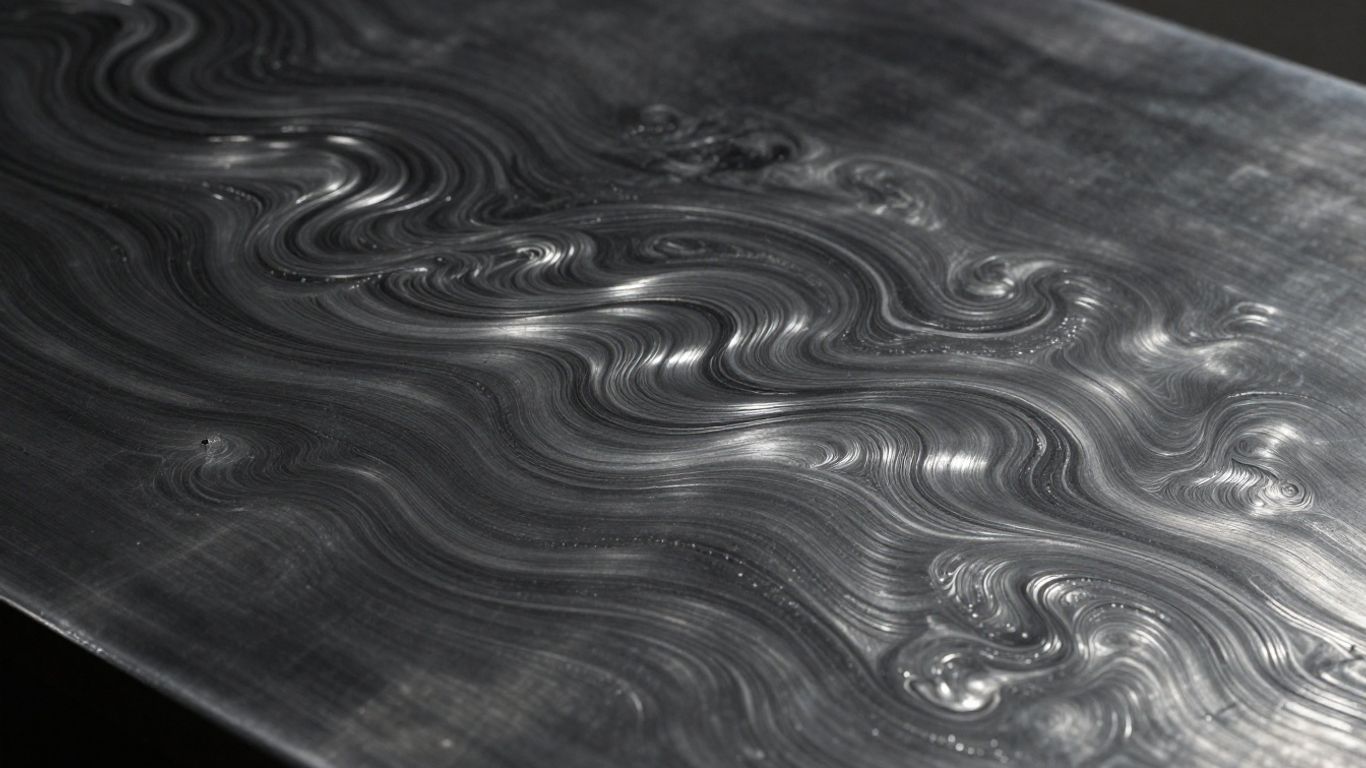
When you see a knife with those cool, wavy patterns on the blade, chances are it's Damascus steel. It's a look that really stands out, but it's more than just pretty.
Damascus steel is made by forging together different types of steel, then folding and hammering them many times. This process creates those unique patterns, and it also makes the blade really strong and tough. Because of how it's made, no two Damascus blades are exactly alike. It's a bit like a fingerprint for your knife.
This kind of steel is a favorite for many knife makers because it offers a great mix of looks and performance. You get a blade that's not only eye-catching but also built to last and hold an edge well. It's a popular choice for everything from kitchen knives to outdoor tools.
Here's a quick look at what makes Damascus steel special:
- Unique Patterns: Each blade has its own distinct design, making it a work of art.
- Strength and Toughness: The forging process combines different steels to create a resilient blade.
- Historical Roots: It draws on a long tradition of metalworking.
While the visual appeal of Damascus steel is undeniable, its performance comes from the careful layering and forging of high-quality steels. The patterns are a beautiful byproduct of a process that aims for a strong, reliable blade.
Sharpening a Damascus blade is pretty straightforward. You can use your regular sharpening stones or systems, and you won't damage those beautiful patterns. The edge will come back just as sharp as before. If you're looking for a knife that's both a functional tool and a piece of art, Damascus steel is definitely worth considering. You can find some really impressive examples of Damascus knives that blend this traditional artistry with modern performance.
14. D2 Steel
D2 steel is a bit of a workhorse in the knife world. It's what you'd call a semi-stainless tool steel, meaning it has some rust resistance, but not as much as a true stainless steel. Think of it as a good middle ground if you're not constantly exposing your knife to harsh, wet conditions.
What makes D2 interesting is its balance. It's known for being pretty tough and also has good wear resistance. This means it can handle some abuse and will hold an edge for a decent amount of time. It's not the absolute best in any single category, but it does a lot of things well, which is why a lot of knife makers like using it, especially for custom knives.
When it comes to sharpening, D2 can be a bit more work than some softer steels. Because it's harder and has those wear-resistant carbides, you'll likely need a good sharpening stone to get a really sharp edge back on it. It's not impossible, just takes a bit more effort.
Here's a quick look at what D2 brings to the table:
- Wear Resistance: Pretty good, thanks to its alloy content.
- Toughness: Decent, it can take some impact.
- Corrosion Resistance: Okay, better than plain carbon steel but not as good as high-end stainless.
- Edge Retention: Solid, it stays sharp for a good while.
- Sharpening: Requires a bit more effort.
D2 steel offers a solid blend of properties that make it a reliable choice for many knife users. It's a steel that performs well across a range of tasks without demanding constant maintenance, though it does ask for a little extra when it's time to sharpen.
15. VG10 Steel
VG10 is a popular stainless steel that comes out of Japan. It's often found in mid-range to high-end knives, and for good reason. It really hits a sweet spot for a lot of users because it balances a few key properties pretty well.
Think of it like this: you want a knife that doesn't rust easily, stays sharp for a decent amount of time, and isn't so brittle that it'll chip if you look at it funny. VG10 tries to do all of that.
Here's a quick look at what makes VG10 stand out:
- Corrosion Resistance: This is where VG10 really shines. It's a stainless steel, meaning it has a good amount of chromium in it. This makes it pretty resistant to rust and stains, which is a big plus if you're out in the field or just don't want to baby your knife.
- Edge Retention: It holds an edge pretty well. It's not going to be the absolute best out there compared to some super-high-end steels, but for most everyday tasks and even some tougher hunting jobs, it'll keep cutting without needing a touch-up too often.
- Toughness: VG10 is reasonably tough. It's not as tough as some of the specialized steels designed for heavy impact, but it's not overly brittle either. This means it can handle some decent work without being overly prone to chipping or breaking.
When you're looking at the numbers, VG10 usually sits around a Rockwell hardness of 58-60 HRC. This hardness level is a good compromise. It's hard enough to keep a sharp edge, but not so hard that it becomes a nightmare to sharpen when you eventually need to.
VG10 is a workhorse steel. It might not be the absolute top performer in any single category, but its well-rounded nature makes it a reliable choice for many different types of knives, especially those that need to handle moisture and general use without much fuss.
So, if you're looking for a knife that's going to resist rust, keep a decent edge, and be tough enough for regular use without breaking the bank, VG10 is definitely a steel worth considering. It's a solid, dependable option that many knife makers and users have come to trust.
16. 154CM
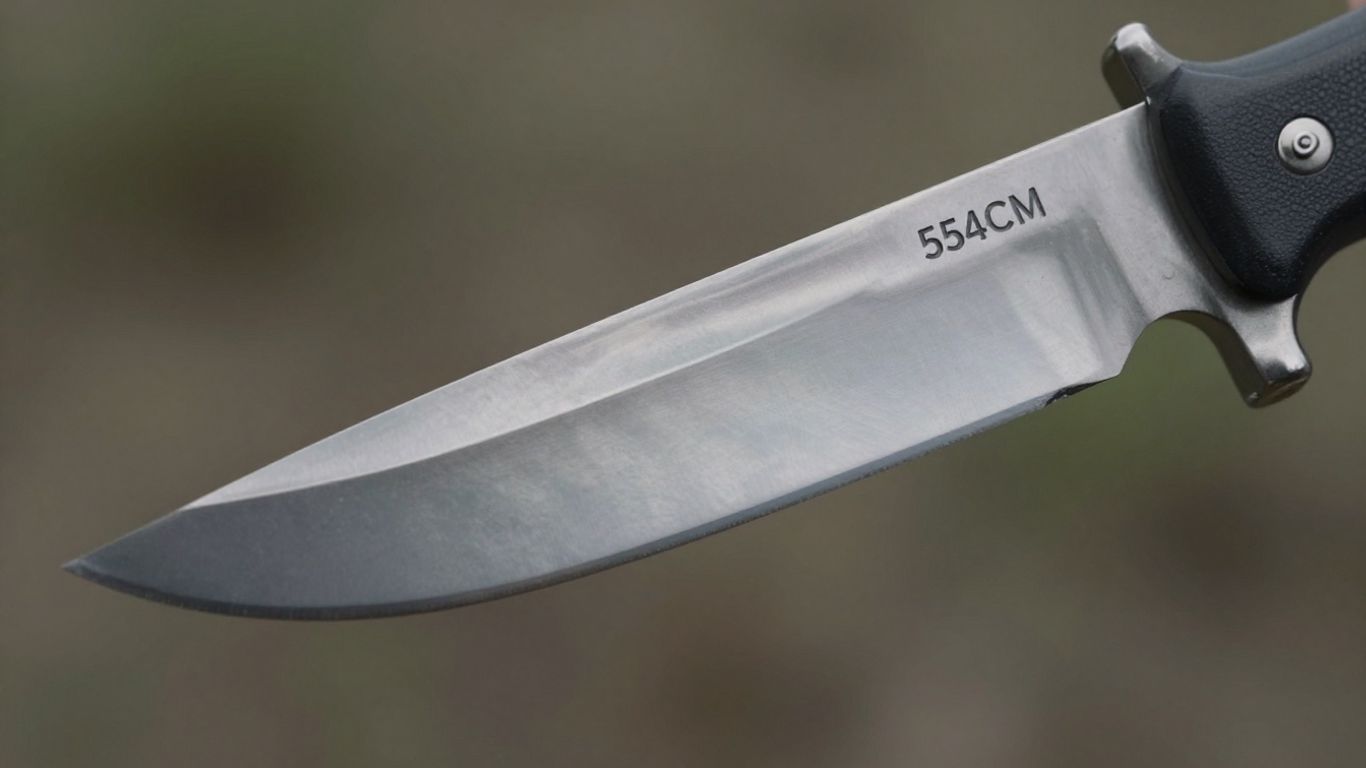
Alright, let's talk about 154CM steel. This is a pretty popular choice, especially for folks who want a good all-around performer without breaking the bank. It’s a U.S.-made stainless steel that’s been around for a while, and for good reason. It strikes a nice balance between a few key properties that make a knife useful.
Think of 154CM as the reliable friend in the steel world. It’s not the absolute best at any single thing, but it’s really good at a lot of things. This makes it a solid pick for a hunting knife that you might use in various conditions. You want something that can handle a bit of everything, right?
Here’s a quick look at what you get with 154CM:
- Edge Retention: It holds an edge pretty well. You won’t be sharpening it after every single use, which is a big plus when you’re out in the field.
- Corrosion Resistance: Being a stainless steel, it’s got decent protection against rust and stains. This is important because hunting knives can get wet, and you don’t want to deal with a rusty blade.
- Toughness: It’s tough enough to handle the kind of work a hunting knife is expected to do, like skinning and field dressing, without chipping easily.
- Sharpening: Compared to some of the super steels out there, 154CM is generally easier to sharpen. This is a big deal if you’re not carrying a sharpening stone everywhere or if you just want to get back to a sharp edge quickly.
While 154CM offers a great mix of traits, it's important to remember that its performance can also depend on how the knife maker heat-treats it. A good heat treat is what really brings out the best in any steel.
When you’re looking at knives, you’ll see 154CM pop up quite a bit. It’s a dependable option that gives you a lot of bang for your buck. It’s a steel that’s been proven over time and is a safe bet for a hunting knife that needs to perform reliably. If you're looking for a good balance of properties in a knife steel, 154CM steel is definitely worth considering.
17. CPM S30V
CPM S30V is a popular choice for knife makers, especially for those looking for a good all-around performer. It's a "powder metallurgy" steel, which means it's made using a special process that creates a very fine and even grain structure. This structure is key to its good qualities.
What makes CPM S30V stand out?
- Edge Retention: It holds an edge really well. You won't find yourself needing to sharpen it constantly, which is a big plus for any knife user.
- Toughness: While it's known for edge retention, it's also reasonably tough. This means it can handle some abuse without chipping or breaking easily.
- Corrosion Resistance: It has good resistance to rust, making it suitable for various environments, though it's not completely "stainless."
This steel is often found in higher-end production knives and custom blades. It strikes a nice balance between being hard enough to stay sharp and tough enough to be reliable. It's a solid option if you want a knife that performs well across the board.
CPM S30V is a well-regarded steel that offers a great mix of properties. It's a go-to for many who appreciate a blade that stays sharp and can take a beating.
When you're looking at knives, you'll see CPM S30V mentioned quite a bit. It's a testament to its balanced performance. For example, a 10-inch Damascus steel hunting knife might use a steel with similar properties for its edge retention, but S30V offers a more consistent, modern performance profile.
18. CPM S35VN
CPM S35VN is a pretty popular steel, and for good reason. It's a step up from its predecessor, CPM S30V, offering a better balance of properties that many knife users appreciate. Think of it as a well-rounded performer that doesn't really have any major weaknesses.
This steel is made using a powder metallurgy process, which means the elements that make up the steel are mixed and melted in a very controlled way. This results in a more uniform and fine-grained structure compared to traditional steels. What does that mean for you? It means better toughness and improved edge retention.
Here's a quick look at what makes CPM S35VN stand out:
- Improved Toughness: Compared to S30V, S35VN is noticeably tougher. This means it's less likely to chip or break, especially when you're using your knife for more demanding tasks.
- Good Edge Retention: While it might not hold an edge quite as long as some of the super-high-vanadium steels, S35VN still offers excellent edge retention for most everyday and outdoor uses.
- Decent Corrosion Resistance: It's a stainless steel, so you get good protection against rust and corrosion. You still need to take care of your knife, of course, but it's more forgiving than high-carbon steels.
- Easier to Work With: One of the big advantages of S35VN is that it's easier to machine and sharpen than some of its more complex siblings. This makes it a favorite for custom knife makers and also means you can likely sharpen it at home without too much trouble.
CPM S35VN hits a sweet spot for many knife enthusiasts. It offers a solid blend of toughness, edge-holding ability, and corrosion resistance, making it a reliable choice for a wide range of applications without being overly difficult to maintain.
When you're looking at knives, you'll find CPM S35VN in a lot of different models, from everyday carry blades to more robust hunting knives. It's a steel that provides a great balance, and if you're looking for a knife that can handle a lot without being a pain to care for, CPM S35VN is definitely worth considering.
19. CPM S90V
When you're looking for a steel that really holds an edge, CPM S90V is a name that comes up a lot. It's a powdered metallurgy steel, which means it's made using a special process that creates a really fine and even grain structure. This structure is key to why it performs so well.
What makes S90V stand out is its high vanadium content. Vanadium forms very hard carbides in the steel, and these carbides are what give the steel its impressive wear resistance. Think of it like tiny, super-hard particles embedded throughout the blade. This means it can stand up to a lot of use without getting dull quickly. It's a great choice if you hate having to sharpen your knife all the time.
Here's a quick look at what you can expect:
- Edge Retention: Top-notch. It stays sharp for a very long time, even with tough tasks.
- Wear Resistance: Excellent, thanks to those hard vanadium carbides.
- Corrosion Resistance: Pretty good. It's a stainless steel, so it won't rust easily, but it's not the absolute best in this category.
- Toughness: Decent, but not its strongest suit. It can be a bit more brittle than some other steels, so it might not be the best for heavy prying or chopping.
Because of its great edge-holding ability, CPM S90V is often found in knives meant for tasks where maintaining a sharp edge is important, like slicing or fine cutting. It's a step up from many common steels and is a favorite among knife enthusiasts who appreciate long-lasting sharpness. If you're looking for a blade that keeps cutting like new for ages, S90V is definitely worth considering for your next hunting knife.
20. CPM S110V
When you're looking for a steel that really holds an edge and can take a beating, CPM S110V is definitely one to consider. It's a powder metallurgy steel, which means it's made using a special process that creates a really uniform and fine grain structure. This makes it super tough and also very resistant to wear.
What makes S110V stand out is its high vanadium content. Vanadium forms hard carbides in the steel, and these carbides are what give it its impressive wear resistance. Think of it like tiny, super-hard particles embedded in the steel, making it difficult for anything to scratch or wear it down. This is great for hunting knives because you want a blade that stays sharp through tough tasks, like field dressing game.
Here's a quick look at what you can expect:
- Edge Retention: Top-tier. It's designed to stay sharp for a very long time, meaning less frequent sharpening.
- Toughness: Very good. While it's hard, it's also made to resist chipping and breaking, which is important in the field.
- Corrosion Resistance: Excellent. It has a good amount of chromium, so it won't rust easily, even if you're out in damp conditions.
Because of these qualities, CPM S110V is often found in higher-end knives. It's a bit more expensive, sure, but for serious hunters who demand the best performance, it's a worthwhile investment. You're getting a blade that's built to last and perform when you need it most. If you're looking for a knife that can handle anything, this is one of the top steels for knives available today.
CPM S110V is a premium choice for those who prioritize long-lasting sharpness and durability in their hunting tools. Its advanced composition means it can handle demanding tasks without losing its edge quickly, making it a reliable companion in the wilderness.
21. Japanese Steel
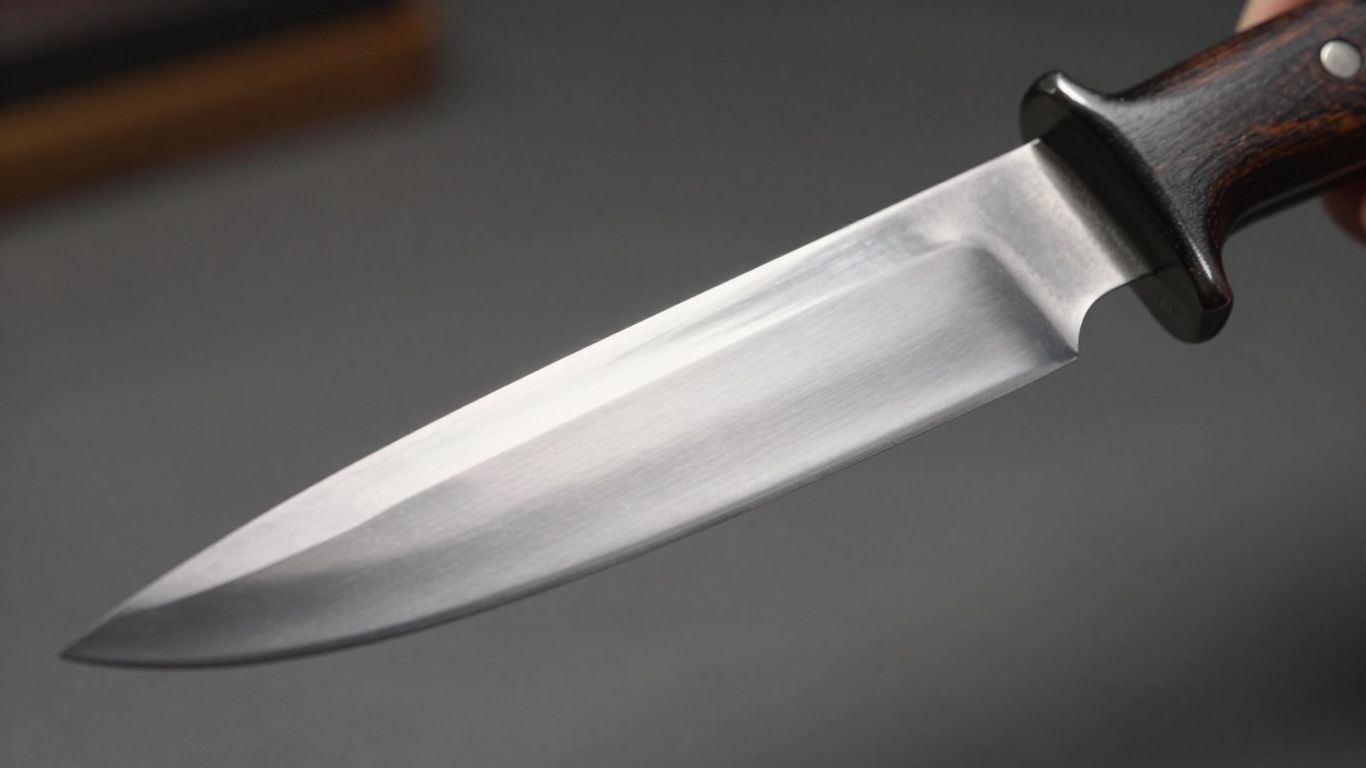
When you hear "Japanese steel" in the context of knives, it often brings to mind a certain level of quality and tradition. For centuries, Japanese bladesmiths have been honing their craft, and this heritage is reflected in the steels they use and produce.
Japanese steels are generally known for their high carbon content, which contributes to excellent hardness. This hardness is a big reason why many Japanese knives offer fantastic edge retention. You know, the kind of sharpness that just keeps going and going, making tasks feel easier. However, this high hardness can sometimes mean they're a bit more brittle and might require a bit more care when sharpening compared to some other steels.
Think about it like this:
- High Hardness: Great for keeping a sharp edge for a long time.
- Potential Brittleness: Can be more prone to chipping if used roughly.
- Sharpening: Might take a little more effort to bring back to a razor's edge.
Many of these steels are designed for precision cutting. They aim for that sweet spot where the blade can be made incredibly sharp and hold that sharpness through a lot of use. It's a balance that many users really appreciate, especially for tasks where a fine, consistent edge is key. If you're looking for a blade that feels exceptionally sharp and stays that way, Japanese steel is definitely worth considering. You can find some really impressive examples, like this 9-inch Damascus steel hunting knife.
The pursuit of sharpness and edge retention has a long history, and Japanese steelmaking traditions are a big part of that story. It's about achieving a specific kind of performance that many knife enthusiasts seek out.
22. German Steel
When you think about German steel, especially for knives, a few things probably come to mind. They've got a reputation for making some really solid, dependable blades. It's not usually about being the absolute sharpest out of the box or the most corrosion-proof, but more about a good all-around performance that holds up over time.
German steels often have a good balance of toughness and edge retention. This means they can handle some abuse, like chopping or prying, without chipping easily, while still keeping a decent edge for a good while. They tend to be a bit softer than some of the super-hard Japanese steels, which makes them easier to sharpen when they do get dull. This is a big plus for a lot of users who don't want to spend ages trying to get a razor edge back.
Many German knife steels are known for their good wear resistance, too. This comes from the way they're made and the alloying elements they use. They're built to last, resisting the kind of wear and tear that happens with regular use. Think of them as the workhorses of the steel world.
German steel often hits a sweet spot, offering a reliable blend of durability, ease of maintenance, and consistent performance that many knife users appreciate for everyday tasks.
Here's a quick look at what you might find in German-made knives:
- Good Toughness: They can take a beating without breaking.
- Decent Edge Retention: Stays sharp for a reasonable amount of time.
- Easier Sharpening: You won't struggle too much to bring the edge back.
- Solid Wear Resistance: Holds up well against friction and abrasion.
While they might not always top the charts in every single category like some specialized steels, German steels provide a dependable and practical choice for a wide range of applications. They are a testament to practical engineering and a focus on real-world usability, making them a popular pick for many knife enthusiasts and professionals alike. If you're looking for a knife that's tough, reliable, and won't give you a headache when it comes to upkeep, German steel is definitely worth considering. For a steel that offers a great balance, you might want to look into CPM S35VN steel as well.
23. American Steel
When we talk about American steel in the context of knife making, we're often referring to a range of alloys developed and produced in the United States. These steels have a reputation for being robust and reliable, suitable for a variety of applications, including hunting knives. Think of steels like those found in many American-made hunting knives, which often balance toughness with good edge-holding capabilities.
American steel producers have a long history of innovation, leading to the development of several popular knife steels. These alloys are designed with specific properties in mind, aiming to meet the demands of different users and tasks. It's not just about one type of steel; it's a whole family of materials that have been refined over time.
Here are a few things to consider when looking at American steels:
- Variety of Alloys: The US produces a wide spectrum of steels, from simpler carbon steels to complex, high-alloyed stainless steels. This means there's likely an American steel for almost any need.
- Performance Focus: Many American steels are engineered for high performance, whether that's superior edge retention, increased toughness, or better resistance to corrosion.
- Availability: These steels are generally quite accessible, making them a common choice for both custom knifemakers and larger manufacturers.
The key takeaway with any steel, including those from American sources, is that its performance is heavily influenced by the heat treatment it receives. A well-executed heat treat can make a good steel perform exceptionally, while a poor one can make even the best alloy fall short. It's a partnership between the steel's chemistry and the maker's skill.
Many makers choose American steels because they offer a good balance of properties. For instance, some American stainless steels provide excellent corrosion resistance without sacrificing too much toughness, which is important for a hunting knife that might be used in wet conditions. Others might focus more on wear resistance, meaning the edge stays sharp for longer periods, reducing the need for frequent sharpening in the field.
24. Swedish Steel
When you start looking into knife steels, you'll notice a few countries pop up repeatedly for their quality. Sweden is definitely one of them. For a long time, Swedish steel has been known for making really good blades, especially for things that need to be tough and hold an edge well. It’s not just one type of steel, either; Sweden has a history of producing a range of steels that work for different jobs.
Think about it – for centuries, people have been mining iron ore in Sweden. That long history means they've gotten pretty good at turning that raw material into something special. They've figured out how to get the right mix of elements and how to treat the steel so it performs well. This isn't just about tradition, though. Modern Swedish steel companies are still innovating and making some top-notch materials for knives.
One of the things Swedish steels are often good at is balancing different properties. You don't always want a steel that's super hard if it's going to chip easily. Swedish makers often aim for a sweet spot, giving you a blade that's tough enough for hard use but also sharp enough for precise cutting. This makes them a solid choice for all sorts of knives, from everyday carry blades to more specialized tools.
The real strength of Swedish steel often lies in its consistent quality and the careful way it's made. It’s not just about throwing ingredients together; it’s about precision and knowing how to get the best out of the metal. This attention to detail is why you see Swedish steels showing up in high-performance knives.
If you're looking for a reliable steel that won't let you down, especially for outdoor or utility knives, Swedish steel is certainly worth considering. It’s a material with a solid reputation built on years of good performance. For example, 14C28N steel is a well-regarded option that comes from Sweden, known for its good all-around performance.
25. Swedish 14C28N Steel and more
When we talk about good, reliable steel for knives, especially for outdoor use, Swedish steel often comes up. One particular grade that's gained a lot of attention is 14C28N. It's a fantastic option for a lot of reasons, and it's part of a broader category of steels that offer a great balance for hunters and outdoor enthusiasts.
14C28N is a fine-tuned version of Sandvik's 13C26 steel. What makes it special is its composition. It has a good amount of chromium for corrosion resistance, but it's also designed to be tough and hold an edge well. This means your knife won't rust easily, even if you're out in damp conditions, and it will stay sharp through a good amount of work.
Here's a quick look at what makes 14C28N a solid choice:
- Corrosion Resistance: With around 14% chromium, it's quite resistant to rust and staining. This is a big plus for any knife that might get wet or dirty.
- Edge Retention: It can be hardened to a good level, meaning it keeps its sharp edge for a decent amount of time during use.
- Toughness: It offers a good level of toughness, so it's less likely to chip or break, even when put to hard tasks.
- Ease of Sharpening: Compared to some super steels, 14C28N is generally easier to sharpen, which is a big win for anyone who maintains their own blades.
For many users, the sweet spot for a hunting knife lies in a steel that performs well across the board without being overly difficult to maintain. 14C28N hits that mark nicely.
Beyond 14C28N, Sweden produces other notable steels. For instance, some of the older, simpler carbon steels from Sweden are still highly regarded for their predictable behavior and ease of working with traditional tools. These steels, while not offering the same level of corrosion resistance as stainless options, can be incredibly tough and sharp when heat-treated correctly. They are a testament to the fact that sometimes, simpler is better, especially if you're working with a basic forge. You can find knives made with these traditional Swedish steels that perform admirably in the field.
When you're looking at knives, especially something like a Damascus steel hunting knife, the steel type is a huge part of the equation. While Damascus often gets attention for its looks, the underlying steel or steels used are what truly determine its performance in the field. 14C28N represents a modern approach to steelmaking, offering a reliable and capable option for a wide range of hunting and outdoor tasks.
So, What's the Takeaway?
Alright, we've talked a lot about steel. It can feel like a lot to take in, right? But really, picking the right steel for your hunting knife isn't some impossible puzzle. It's mostly about figuring out what you'll actually be doing with the knife. Are you out in the woods a lot, needing something super tough? Or maybe you just need a reliable blade for everyday tasks that won't rust if it gets a little wet. Think about how you'll use it, what kind of care you're willing to give it, and then look for a steel that fits that picture. There's no single 'best' steel for everyone, but by understanding these basics, you can definitely find a blade that works great for you and won't let you down when you need it most.
Frequently Asked Questions
What's the most important thing to think about when picking knife steel?
The most important thing is to match the steel's strengths to how you'll use the knife. A knife for cutting branches needs to be tough, while a knife for slicing food needs to stay sharp for a long time. There's no single best steel for everything; it's all about what you need it to do.
What does 'corrosion resistance' mean for a knife?
Corrosion resistance is like a shield that stops your knife from rusting. If your knife gets wet or you use it near salt water, a steel with good corrosion resistance won't get those ugly orange spots. This is really important for knives used outdoors or for fishing.
Why is 'edge retention' important?
Edge retention is how long your knife's sharp edge stays sharp. A knife with great edge retention won't get dull quickly, meaning you won't have to sharpen it as often. This is super helpful if you use your knife a lot for cutting.
What's the difference between toughness and edge retention?
Toughness means the steel can handle hard use without chipping or breaking, like when you're chopping thick wood. Edge retention is about how long the sharp edge stays sharp. Sometimes, a steel that's super tough might not hold an edge quite as long, and vice versa. It's often a trade-off.
What is 'heat treatment' and why does it matter?
Heat treatment is like cooking the steel to make it just right. It involves heating and cooling the metal carefully. This process makes the steel strong enough to not bend easily but hard enough to stay sharp. Even the same type of steel can perform differently if it's not heat-treated properly.
What's a good steel for someone who is new to knives?
For beginners, it's best to start with a steel that's tough, doesn't rust easily, and is simple to sharpen. You don't want to worry too much about damaging a super fancy steel. Something that's easy to take care of and forgiving is a great way to start learning.


