
Damascus vs. Stainless Steel Knives: A Deep Dive Into Durability and Design
by Marco Castro on Feb 09, 2026

When you're looking for a new knife, you'll probably see two main types: Damascus and stainless steel. They both look pretty different and people talk about them in different ways. One is known for its fancy patterns and old-school vibe, while the other is often seen as the practical, everyday choice. But what's really going on under the surface with Damascus vs stainless steel knives? Let's break down what makes them tick, how they perform, and which one might be the right fit for your kitchen or collection.
Key Takeaways
- Modern Damascus steel knives are typically made using a pattern-welding technique, where different steel layers are folded and forged together to create a unique, wavy pattern. This is different from the original Wootz steel that inspired the name.
- The appeal of Damascus knives often lies in their striking aesthetics and the historical connection to ancient forging methods, though their functional performance can be similar to high-quality carbon steel knives.
- Stainless steel knives are popular for their resistance to rust and staining, making them low-maintenance and suitable for everyday use. However, they might not hold an edge as long or be as visually distinctive as Damascus.
- When comparing Damascus vs stainless steel knives, Damascus often wins on visual flair and potential for sharpness and edge retention (depending on the specific steels used), while stainless steel is the champion of easy care and corrosion resistance.
- Choosing between Damascus and stainless steel often comes down to personal preference: do you prioritize a unique, artistic piece with a rich history, or a reliable, easy-to-maintain tool for daily tasks?
Understanding Damascus Steel: History and Modern Interpretation
The Legendary Origins of Damascus Steel
Damascus steel. Just saying the name brings to mind images of ancient warriors and legendary blades. For centuries, this material has been shrouded in a bit of mystery and a whole lot of admiration. Its story really starts way back, around 300 AD, in India, where a special kind of steel called 'wootz' was being made. This wootz steel eventually made its way to the Middle East, and the city of Damascus became a major hub for forging it into incredible weapons. Think swords that could supposedly cut through a rifle barrel or silk scarves falling to the ground. Pretty wild, right?
This steel was famous for being super tough, flexible, and able to hold a really sharp edge. Warriors loved it, and it quickly became the stuff of legends. But over time, the exact methods for making this original wootz steel got lost. It's like a secret recipe that vanished, leaving behind only stories and the incredible blades that survived.
What Modern Damascus Steel Truly Is
So, what we call "Damascus steel" today isn't quite the same as that ancient wootz. The original process for making wootz steel, which involved specific ingredients and a slow cooling method to create unique patterns from the steel's internal structure, is largely a lost art. We haven't quite figured out how to replicate it perfectly.
What most people refer to as Damascus steel now is actually something called "pattern-welded" steel. This is a modern technique where blacksmiths take two or more different types of steel, often one that's hard and another that's more flexible, and forge them together. They stack layers, heat them up, hammer them, fold them over, and repeat this process many times. It's this layering and folding that creates the distinctive patterns.
Think of it like making a layered cake, but with metal. The different steels have different properties, and when they're combined and then etched with acid, those layers become visible, creating that signature look. It's a clever way to get a blade that looks amazing and can also perform really well, combining the strengths of different steels.
The Allure of the Wavy Pattern
That wavy, watery pattern is the most recognizable feature of Damascus steel, and it's a big part of its appeal. It's not just for looks, though. This pattern is a direct result of the forging process, specifically how the different layers of steel are manipulated. When the blade is finished and etched, the acid reacts differently with the various steels, making the layers stand out.
Each pattern is unique, like a fingerprint. No two Damascus blades will ever look exactly alike, even if they're made by the same smith. This individuality is a huge draw for collectors and anyone who appreciates a knife that's both a tool and a piece of art. It tells a story of the metal's journey through the forge, a testament to the skill of the person who made it.
The visual appeal of Damascus steel, with its flowing patterns, is a direct consequence of the intricate layering and forging techniques employed. It's a beautiful reminder of the craftsmanship involved in its creation.
While modern pattern-welded steel is beautiful and can be very functional, it's important to remember it's a different beast than the original wootz. The patterns are created by stacking different steels, not by the internal structure of a single type of steel like in the old days. Still, the result is a blade that's visually striking and often very capable.
The Intrinsic Qualities of Damascus Steel Knives
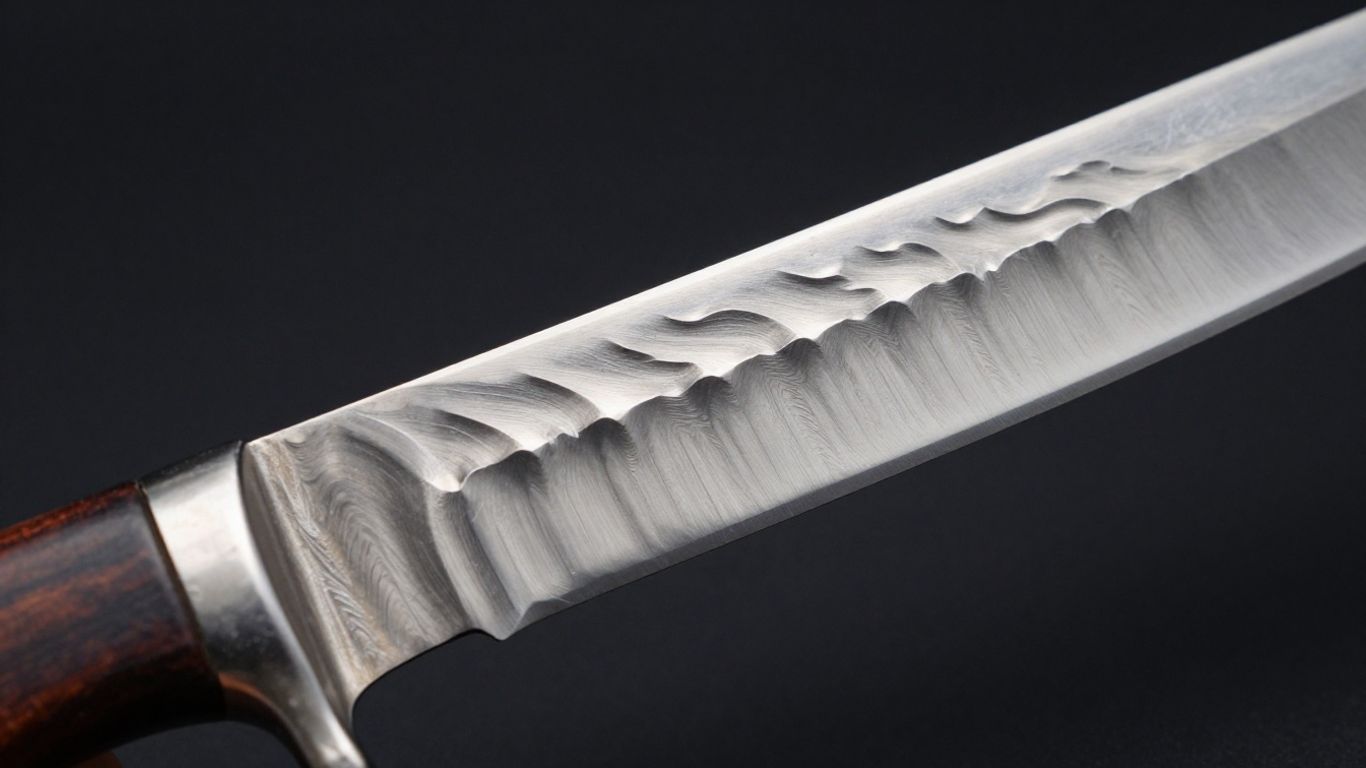
Damascus steel knives are more than just pretty to look at; they've got some serious performance chops. It's not just about the wavy pattern, though that's a big part of the appeal. The way this steel is made gives it some really great qualities that knife users appreciate.
Exceptional Sharpness and Edge Retention
One of the main reasons people go for Damascus knives is how sharp they can get and how long they stay that way. The layered construction, where different types of steel are folded together, creates a very fine, almost microscopic, serration along the edge. This means it can slice through things with less effort. Plus, because of the way it's put together and treated, it holds that sharp edge for a good long while, meaning you won't be sharpening it every other day.
- Fine Edge: The folding process creates a very keen cutting edge.
- Long-Lasting Sharpness: It resists dulling better than many other steels.
- Easy to Sharpen: Despite holding an edge well, it's generally not too difficult to bring back to a razor point.
The layered nature of Damascus steel contributes significantly to its ability to maintain a sharp edge over extended use, reducing the frequency of resharpening.
Inherent Durability and Strength
Don't let the delicate patterns fool you; Damascus steel is built tough. The process of folding and forging the steel layers together not only creates the visual effect but also helps to remove impurities and create a more uniform, stronger metal. This makes the blade resistant to chipping and breaking, even with regular use. It's a good balance between being hard enough to hold an edge and tough enough to withstand impacts. This makes them suitable for a variety of tasks, from chopping vegetables to more demanding jobs. For those interested in the science behind tough blades, understanding steel composition is key.
Corrosion Resistance in Damascus Blades
While not all Damascus steels are created equal when it comes to rust, many modern versions offer good resistance. The specific alloys used in the layers, often including chromium, help to protect the blade from oxidation. This means your Damascus knife is less likely to develop rust spots or discoloration, especially if you give it a quick wipe down after use. It’s a nice bonus that adds to the overall practicality of these beautiful blades, making them a reliable choice for everyday kitchen work.
Stainless Steel Knives: Practicality and Performance
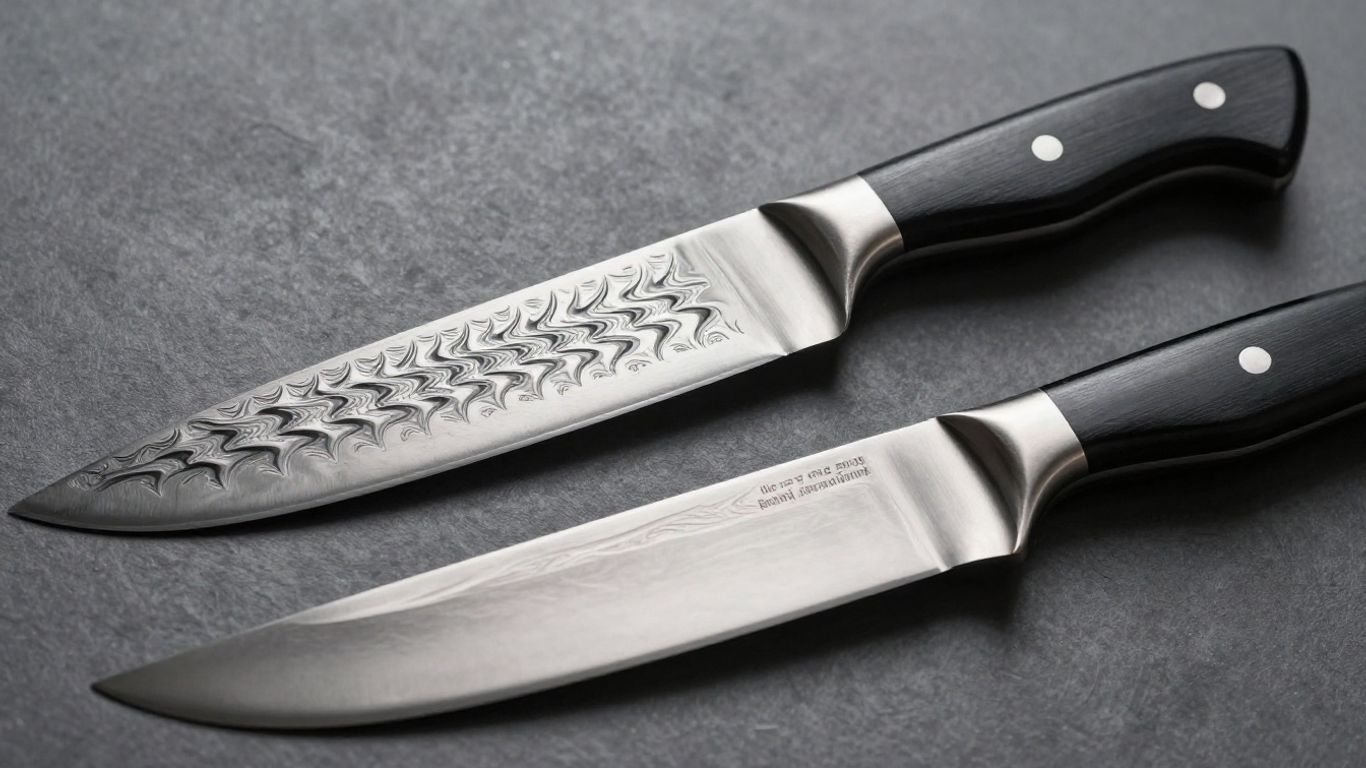
Stainless steel might not have the ancient mystique of Damascus, but for many everyday users, it's the practical workhorse. Developed in the mid-20th century, stainless steel brought a significant leap in convenience for knife owners. Its primary advantage? A strong resistance to rust and corrosion.
The Composition of Stainless Steel
So, what exactly makes steel "stainless"? It's all about the chromium. When steel has about 10-12% chromium added to its iron base, it becomes much more resistant to rust, staining, and even acid attacks. This makes stainless steel a popular choice for all sorts of kitchen tools and cutlery because it holds up well to moisture and acidic foods.
Advantages of Stainless Steel in Cutlery
The biggest win for stainless steel is its low maintenance. You don't have to baby it like some other steels. While not completely immune to marks, it's far less likely to develop rust spots or discoloration, especially if you give it a little basic care. This makes it ideal for busy kitchens or outdoor use where a knife might get wet and not immediately dried.
- Corrosion Resistance: Stands up well against rust and stains.
- Durability: Generally tough and less prone to chipping than some harder steels.
- Availability: Widely used in many mass-produced knives, making it accessible.
Balancing Sharpness and Maintenance
Now, let's talk about sharpness and upkeep. Stainless steels have come a long way. While older versions might have sacrificed some edge retention, modern high-performance stainless alloys are incredibly wear-resistant. This means they can hold a sharp edge for a remarkably long time. The trade-off? These super steels can be trickier to sharpen when they do eventually dull. If you're comfortable with sharpening or can send your knife out occasionally, the extended edge life can be a big plus. For many, the ease of care that stainless steel offers, like the ability to use it with fruits without worrying about discoloration, makes it a top pick. It's a solid choice for a reliable kitchen knife that performs well without demanding constant attention.
Stainless steel knives offer a great balance for most people. They resist rust and look good with minimal effort, which is a huge relief compared to steels that need constant attention. While some might think they're harder to sharpen, it really depends on the specific type of stainless steel. Many modern stainless steels are designed to be both tough and hold an edge well, making them very capable tools.
Comparing Damascus vs. Stainless Steel Knives
Aesthetic Differences: Artistry vs. Utility
When you look at a Damascus knife, the first thing that usually grabs you is that wavy, almost watery pattern on the blade. It's pretty striking, right? That pattern isn't just for show; it comes from how the knife is made – by folding and forging different types of steel together many times. This process creates a unique look for each knife, making it feel like a piece of art. Because of this, Damascus knives are often chosen by people who appreciate the craftsmanship and want something that stands out in their kitchen or collection.
Stainless steel knives, on the other hand, tend to have a more uniform, clean look. You won't see those intricate patterns. Their appeal is more about practicality and a sleek, modern appearance. They fit well into any kitchen setting without drawing too much attention to themselves. If you prefer a tool that looks functional and straightforward, stainless steel is usually the way to go.
Performance Metrics: Sharpness and Durability
Both types of knives can be very sharp, but they get there differently. Damascus knives, thanks to the way they're constructed with layers of steel, can hold a very fine edge. This means they can be incredibly sharp right out of the box and stay that way for a good while. The combination of different steels can also make them quite tough, resisting chips and breaks.
Stainless steel knives are also known for their sharpness and durability. Modern stainless steels are engineered to be strong and hold an edge well. They are generally very resistant to rust and corrosion, which is a big plus for everyday use. While a high-quality Damascus might have a slight edge in initial sharpness or a unique kind of toughness from the layering, a well-made stainless steel knife is a reliable performer that won't let you down.
Here's a quick look at how they generally stack up:
| Feature | Damascus Steel Knives | Stainless Steel Knives |
|---|---|---|
| Sharpness | Can achieve exceptional sharpness, holds edge well. | Very sharp, good edge retention, depends on alloy. |
| Durability | Strong due to layered construction, can resist chips. | Generally very durable, less prone to chipping. |
| Corrosion | Can be more susceptible to rust if not cared for. | Highly resistant to rust and stains. |
| Maintenance | Requires more careful cleaning and oiling. | Low maintenance, easy to clean. |
| Aesthetics | Unique, wavy patterns, often seen as art. | Uniform, clean, practical appearance. |
Maintenance Requirements for Each Type
Taking care of your knives is key to making them last. Damascus knives, because they often involve layers of carbon steel, need a bit more attention. You'll want to wash them by hand right after use and dry them thoroughly to prevent any rust or discoloration. A light coat of food-safe mineral oil can also help protect the blade.
Stainless steel knives are much more forgiving. They are designed to resist rust, so you can usually just wash them with soap and water and let them air dry or dry them quickly. They don't require the same level of vigilance as Damascus blades, making them a great choice if you want a low-fuss tool.
When you're deciding between Damascus and stainless steel, think about what matters most to you. If you love the idea of owning a beautiful, handcrafted tool with a unique look and are willing to put in a little extra effort to care for it, Damascus might be perfect. If you need a reliable, easy-to-maintain knife that performs well day in and day out with minimal fuss, then stainless steel is likely the better fit for your kitchen.
Factors Influencing Damascus Knife Quality
The Role of Steel Alloys and Purity
When we talk about Damascus steel, it's not just one single type of metal. It's actually a blend, or a 'billet,' made by layering different kinds of steel together. The specific steels chosen for this layering make a big difference in the final knife. Some steels are chosen for their hardness, which helps the blade stay sharp, while others are picked for their toughness, meaning they can handle impacts without breaking. The purity of these steels also matters a lot. If there are too many impurities in the metal, it can create weak spots in the blade, making it more likely to chip or even break.
The Importance of Expert Craftsmanship
Making a good Damascus knife is a real art, and it takes a lot of skill. The smith has to carefully fold and forge the layered steels together, making sure they bond properly without any air bubbles or weak points. This process is repeated many times to create the signature wavy pattern. A less experienced smith might not get the layers to fuse correctly, or they might overheat the metal, which can ruin the steel's properties. It's the hands of a skilled artisan that truly bring out the best in the materials.
Heat Treatment and Pattern Consistency
After the knife is shaped, it goes through a critical heat treatment process. This involves heating the steel to a very specific temperature and then cooling it down quickly (quenching), followed by another heating and cooling cycle (tempering). This process hardens the steel and makes it durable. If the heat treatment isn't done just right, the blade won't hold its edge well, or it might be too brittle. The way the steel is heated and cooled also plays a big role in how the wavy pattern shows up. Getting that beautiful, consistent pattern requires precise control over these steps.
Choosing the Right Knife for Your Needs
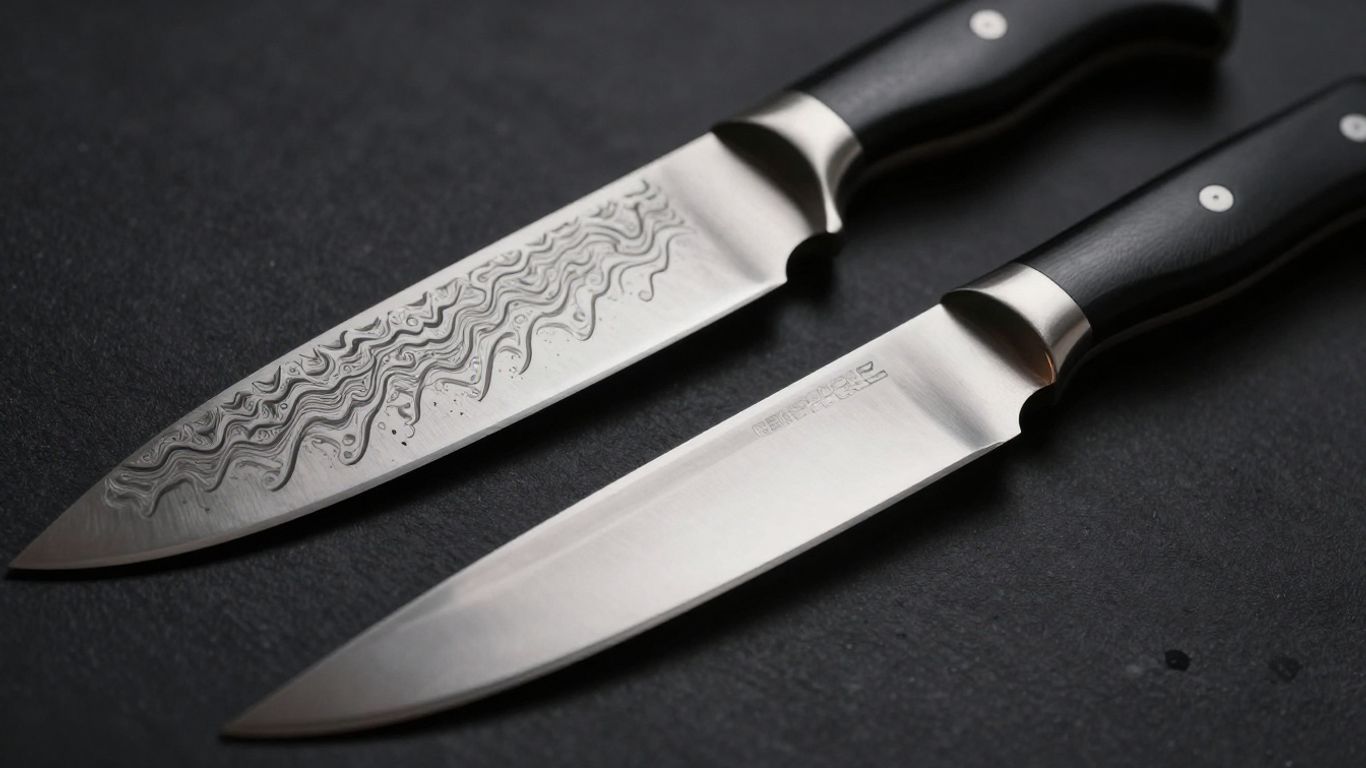
So, you've learned about Damascus and stainless steel, their histories, and their quirks. Now comes the big question: which one is actually right for you? It's not a one-size-fits-all answer, really. Think about what you'll actually be doing with the knife most of the time. Are you a serious home cook, a professional chef, someone who needs a reliable tool for outdoor adventures, or just looking for a pretty display piece?
When to Opt for the Beauty of Damascus
If you're someone who appreciates artistry and wants a knife that's as much a conversation starter as it is a tool, Damascus might be calling your name. These blades are often chosen for their stunning, unique patterns, which are a direct result of the forging process. They can be incredibly sharp and hold an edge well, making them a joy to use in the kitchen or for tasks where a precise cut is needed.
- Aesthetic Appeal: You want a knife that looks as good as it performs. The wavy patterns are truly one-of-a-kind.
- Performance: You need a blade that can achieve exceptional sharpness and maintain it through regular use.
- Special Occasions: Perhaps it's a gift, a collector's item, or a centerpiece for your kitchen.
Remember, while Damascus steel can be quite durable, its beauty often comes with a need for more careful maintenance. Protecting that intricate pattern is part of the ownership experience.
When Stainless Steel Offers Practical Advantages
For many people, especially those who prioritize ease of use and low maintenance, stainless steel is the way to go. These knives are workhorses. They resist rust and stains, meaning you don't have to be quite as meticulous about drying them immediately after washing. They're also generally more forgiving if you accidentally leave them in the sink for a bit (though it's still not recommended!).
- Durability in Harsh Conditions: Stainless steel holds up well against moisture and is less likely to develop rust, making it great for humid environments or less-than-ideal storage.
- Ease of Care: If you prefer a 'wash and go' approach, stainless steel is your best bet. Less worry about corrosion means more time enjoying your knife.
- Cost-Effectiveness: Often, stainless steel knives can be more budget-friendly, offering excellent performance without the premium price tag sometimes associated with Damascus.
Considering Your Personal Preferences and Use
Ultimately, the best knife is the one that feels right in your hand and performs the tasks you need it to without fuss. Think about the weight you prefer – some like a heavier knife for chopping, while others prefer something lighter for more delicate work. How does the handle feel? Is it comfortable for extended use? What kind of cutting do you do most? Slicing, dicing, chopping, or more rugged tasks? Matching the knife's design and material to your specific needs will make a world of difference in your daily use.
| Feature | Damascus Steel | Stainless Steel |
|---|---|---|
| Aesthetics | Unique, wavy patterns; artistic | Uniform, often polished or brushed finish |
| Sharpness | Can achieve very high sharpness, good retention | Good sharpness, varies by alloy and treatment |
| Durability | Strong, but patterns can be susceptible to wear | Very durable, resistant to chipping and wear |
| Corrosion Resist. | Moderate (depends on core steel) | Excellent |
| Maintenance | Requires more care (drying, oiling) | Low maintenance, easy to clean |
| Cost | Generally higher | Generally more affordable |
So, Which Knife Wins?
Alright, we've gone through a lot about Damascus and stainless steel knives. It's pretty clear that when it comes down to it, the 'best' knife really depends on what you're looking for. If you want something that looks amazing, has a cool history, and can hold a sharp edge for a good while, a Damascus knife might be your jam. Just remember, they can be a bit more work to take care of and might cost more. On the other hand, stainless steel is your reliable, low-maintenance buddy. It won't rust easily and is usually easier on the wallet, making it a solid choice for everyday tasks without much fuss. Think about how you'll use the knife most, how much time you want to spend on upkeep, and what your budget looks like. Either way, you're getting a useful tool, but knowing these differences helps you pick the one that's right for you.
Frequently Asked Questions
What makes Damascus steel knives look so cool?
Damascus knives have a cool wavy pattern because they're made by folding and hammering together many layers of different kinds of steel. This special process creates a unique design on each knife, kind of like a fingerprint.
Are Damascus knives really sharper than stainless steel knives?
Damascus knives can be very sharp and hold their sharp edge for a long time, thanks to how they're made with layers of strong steel. Stainless steel knives are also sharp, but sometimes Damascus steel can have an edge that lasts longer.
Do Damascus knives rust easily?
Some Damascus knives can rust more easily than stainless steel ones because they often use high-carbon steel, which needs a bit more care. Stainless steel has special stuff in it that helps it fight off rust and stains.
Are Damascus knives worth the extra cost?
Damascus knives often cost more because they take a lot of skill and time to make, and they look really special. If you want a knife that's both a great tool and a piece of art, they can be worth it. For everyday use where you don't want to worry too much, stainless steel is a good choice.
How do I take care of a Damascus steel knife?
To keep a Damascus knife in good shape, you should wash it by hand right after using it, dry it completely, and store it somewhere dry. This helps prevent rust and keeps the beautiful pattern looking its best.
Is modern Damascus steel the same as the old kind?
The 'Damascus steel' you see today is usually made by layering different steels, called pattern welding. The original ancient Damascus steel was made in a different way that's not fully understood today, but modern versions are still very strong and look amazing.


